
You can start selling with a tax bill, the location and a few details about your land. You don’t need every answer right away. First identify the property, gather papers you already have and decide whether to use an agent, sell it yourself or compare direct offers.
Tell us about your land. There’s no obligation to accept an offer.
Start with what you know. These steps will help you get ready and choose the way to sell that fits you.
Look for the parcel number on your tax bill. It is the number used to identify your land. If the land has no street address, a nearby road name and a map pin can help someone find it.
Put these items in one folder if you have them:
Missing a deed? Start with the Orangeburg County Register of Deeds. The county directory lists its records website and office contact details. Ask how to find a copy using the owner’s name and any book and page numbers you have.
You don’t have to order a new survey before asking about selling. If a boundary question comes up, find out what needs to be checked and who would pay for it.
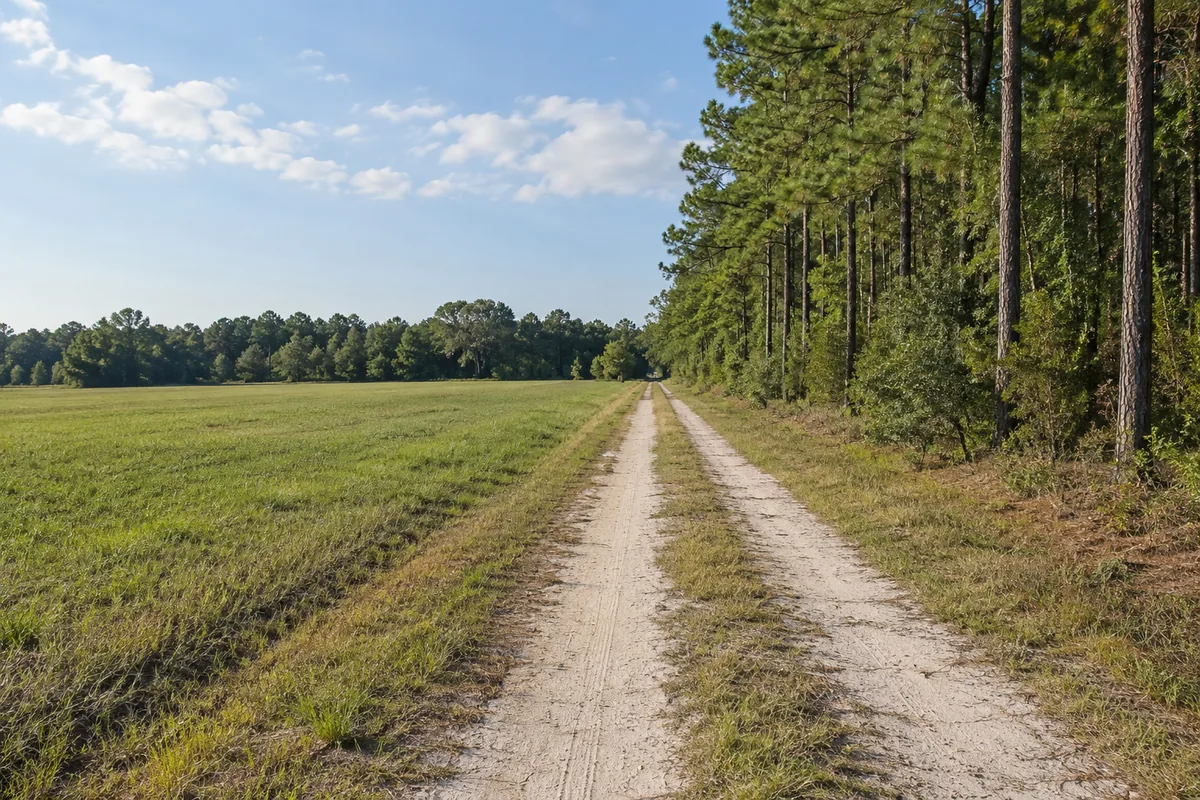
Write a short, honest description. How many acres do you believe you own? Is it open ground, woods or a mix? How do you reach it? Recent photos of the entrance and a few views of the land can be helpful.
Don’t spend money clearing trees or installing a driveway just to start the conversation. Ask whether the work would help the sale enough to cover its cost. A buyer may prefer the land as it is.
Check whether the names and acreage on your papers match what you expect. If a tax record and deed differ, keep both copies. Ask the county office or the attorney helping with the sale what needs to be checked. Don’t guess which number is right.
If this is family land, you may still be sorting through records after a loss. You can ask about selling before everything is settled. Let the attorney know it is inherited land so they can explain who needs to sign and what papers are needed.
If several people own the land, discuss the sale together early. A tax bill in one person’s name does not answer every ownership question. Share any estate or ownership papers you already have.
The county’s Assessor FAQ explains the difference between appraised value and assessed value. These are figures used in the tax process. Neither is an offer to buy your land. Use similar land sales and real offers to help judge a selling price.
A land agent can help set a price, advertise the property and work with buyers. Ask about the fee, the listing term and the plan for reaching land buyers.
Selling it yourself gives you control over the listing and conversations. You’ll handle photos, calls and showings. You can still get help with the contract and closing.
A direct buyer can give you an offer to compare. Ask what costs they cover, when they expect to close and what checks they need first. Reelvest is one option if you’d like to tell us about your land. You decide whether an offer fits your needs.
Before agreeing, get the price and terms in writing. Ask who pays each cost, how the buyer will pay and what could delay or cancel the sale. Compare the money you keep after costs, not just the headline price.
The attorney handling the closing can check ownership papers and explain any bills or claims that must be handled. Review the final cost list and ask about anything you don’t understand before signing. Keep copies of the signed papers.
For more help, use our land seller document checklist or read the South Carolina seller guide. Your first step can be small: find a tax bill and write down what you know about the land.
Yes. Start with the location, a tax bill or the parcel number. The Orangeburg County Register of Deeds can explain how to look for a recorded deed copy.
Not necessarily. Tell buyers what is there and share photos if you can. Ask whether clearing would improve the sale enough to cover the cost before paying for it.
Yes. You can gather information while your family works through the next steps. Share any papers you have with the attorney helping with the sale, and ask who needs to sign.
No. This guide is for anyone getting ready to sell. You can use an agent, sell it yourself or compare direct offers. Reach out to Reelvest only if you’d like us to review your land.
Local source links reviewed October 3, 2026.