
Gather the land’s location and the papers you already have. Then compare similar sales, choose how to find a buyer and get the price and terms in writing. A land agent, selling yourself and a direct buyer are all choices to consider. Start with what you know, even if you’re missing a deed or an old survey.
Tell us about your land. There’s no obligation to accept an offer.
Start with what you know. These steps will help you get ready and choose the way to sell that fits you.
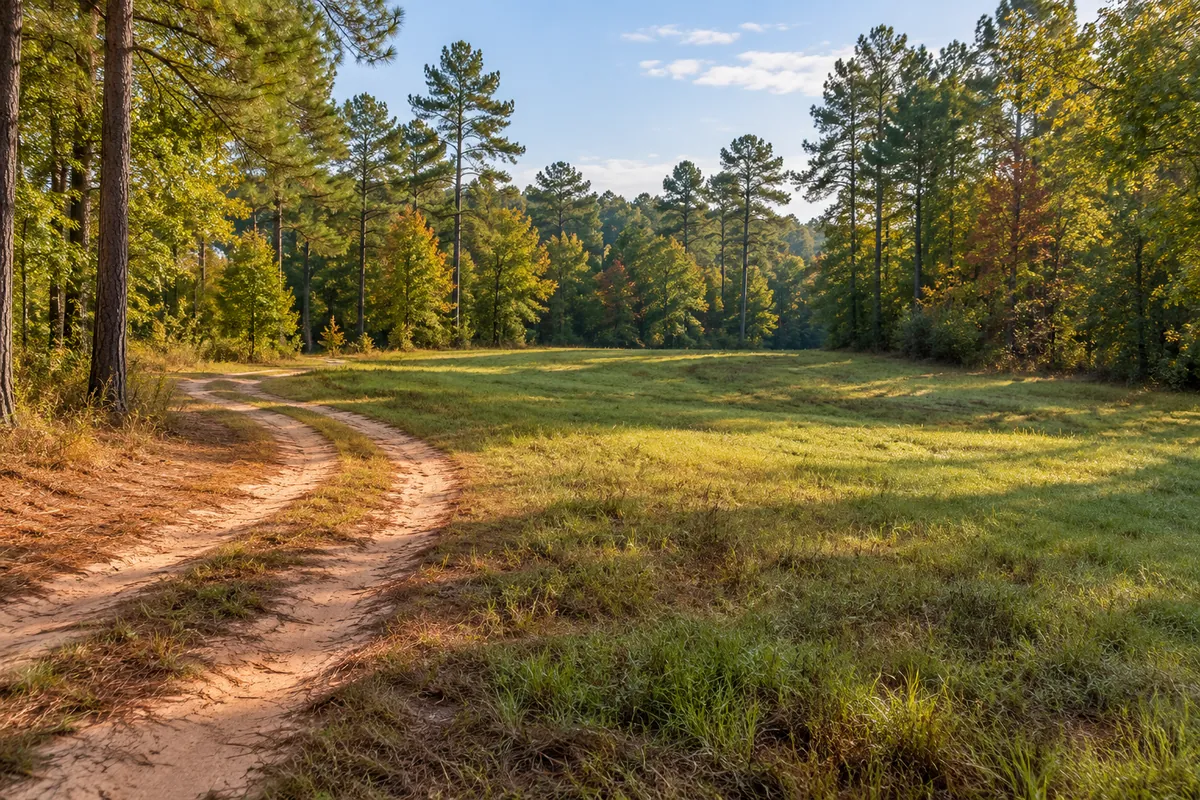
Write down the closest road, acres if known and the property number on your tax bill. List every piece you want to sell. If the land has no street address, a property number and map pin can help someone find it.
Gather your deed, old survey, tax bill and any loan statement. A deed is the recorded paper that describes a property transfer. A survey shows the land’s boundaries. Keep any papers about shared roads, rentals or other people’s use of the land with them.
You can start without every document. Make a short “still need” list. It’s easier to ask for a missing deed copy or a loan balance when you know what’s missing.
The Kershaw County Assessor’s page links to Parcel Record Search. Start there for property information. Compare the record with the location and acres on your papers before using it. For help, the Assessor lists 803-425-1523.
For a missing deed or recorded survey, use the Register of Deeds page. It links to different record periods. The older deed and survey records cover 1791–1990. Its newer land-record link covers December 1990 through the present. An older family deed may be in a different search than a recent purchase.
Have an owner name, approximate purchase year and any book and page number ready. If you can’t find the right copy, call 803-425-7235. The office is at 515 Walnut Street, Room 180, in Camden. Ask about the copy you need and the current charge before visiting.
The office helps people obtain copies, but says it doesn’t perform title searches or prepare deeds. If the question is who can sell or what rights affect the land, ask the person handling closing or a real estate attorney. Finding a copy is one useful step; it doesn’t settle every ownership question.
Think about the questions you’d ask before visiting land. Give clear answers where you can:
Take current photos of the entrance and several parts of the land. Don’t promise a home site, lot split or utility connection you haven’t checked. A buyer can ask about their plans. You don’t need to develop the land before finding out what selling would involve.
Start with recent sales of land similar to yours. Compare size, location, access, open space, woods and what was included in the sale. A small lot and a larger wooded tract may appeal to different buyers.
Asking prices can show what else is for sale, but they aren’t completed sale prices. The Assessor values property for taxes. That number alone isn’t a current offer for your land.
If the record shows a large price, check whether it covered a house, more than one parcel or other items. Don’t divide that price by your acres and assume it’s a good match.
Ask a local land agent or appraiser which sales they would use. Our land value guide can help you organize the comparison. Keep notes on why each sale fits, rather than choosing only the highest number.
An agent can market the property, answer questions and help compare offers. Ask how they handle land, what the fee is and how long the listing agreement lasts.
You handle advertising, calls, visits and price talks. Plan how you’ll show the land and get help with the written sale agreement and closing.
A direct buyer purchases the property from you. You may have less marketing work, but the offer still needs to fit your needs. If you’d like one option to compare, tell Reelvest about your land. Asking doesn’t require you to accept.
Choose based on the likely money you keep, the work involved and the buyer’s terms. You can explore more than one option before deciding.
Get the price, costs and deadlines in writing. Ask who pays closing costs and how a loan balance or unpaid taxes would be handled. An offer price and the money you receive can be different.
For a made-up example, $60,000 minus $3,500 in seller costs leaves $56,500 before any loan or tax balance. These figures show the math, not your land’s value.
Ask when the buyer can cancel, what they need to check and what happens to the deposit. A target date may depend on missing papers or signatures. Ask what still needs to happen.
Use our land offer worksheet to compare the same details for each buyer. Keep a copy of the written offer so you can review it without feeling rushed.
Ask who will handle closing and what they need from you. Share the deed, loan information and other requested papers. Ask for a written estimate showing costs and the money you’ll receive.
If you’re handling inherited land or helping settle a loved one’s estate, start with the papers you have. Ask which documents and signatures are needed for this sale. If there are other owners, check their part before setting a firm date.
Read the final property description, price and costs before signing. Ask how payment will reach you and keep your copies. If a number or name looks wrong, ask about it before you finish.
For a practical starting list, see our land seller document checklist and South Carolina land seller guide.
Start with your tax bill, property number, deed copy and any old survey. Write down the closest road and the acres you know. You can ask for help while missing papers are being found.
The Kershaw Register of Deeds page has separate links for older and newer records. Check the approximate year first. Its older deed records cover 1791–1990; newer land records cover December 1990 onward. Call the office if you’re unsure where to look.
The Register of Deeds provides recorded copies, but doesn’t perform title searches or give legal advice. Gather your deed and estate papers, then ask the closing professional or attorney which documents and signatures this sale needs.
Not always. Ask whether clearing would help the likely buyer before spending money. Current photos and an honest description can be a useful first step.
Local source links reviewed October 5, 2026.