
To sell your Abbeville County land, start with its location, acres and the names on the deed. Then compare prices, choose how to find a buyer and review the offer. You can begin with what you know and find missing papers along the way.
Tell us about your land. There’s no obligation to accept an offer.
Start with what you know. These steps will help you get ready and choose the way to sell that fits you.
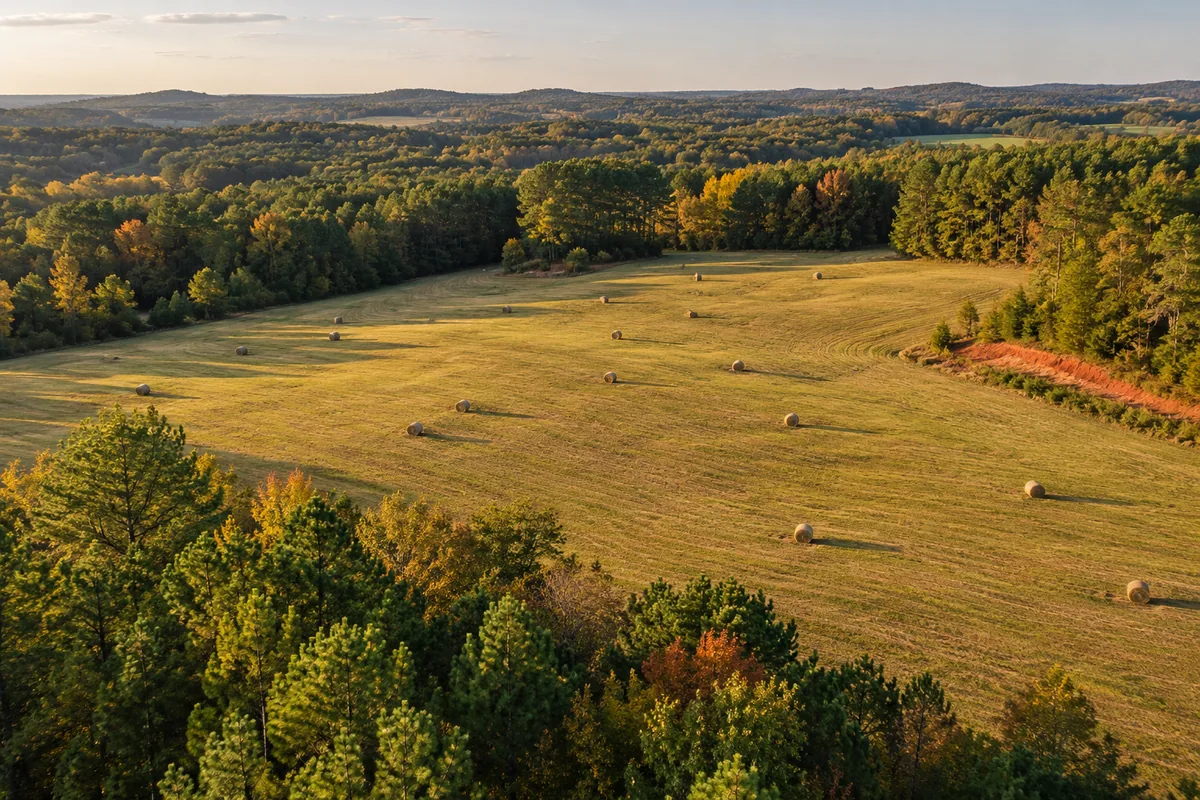
Look for a recent tax bill, your deed and any old survey or map. Write down the road name, acres and property number. If the land has no street address, a map pin and directions to the entrance can help.
The Abbeville County Assessor links to the county property map and records. Its page explains how to view and print an assessment notice from the property report. Use that information to help identify your land. The tax value isn’t a promise of what a buyer will pay.
If your deed is missing, ask the Register of Deeds about a copy. The South Carolina court directory lists the Abbeville office and its contact details. Have the owner’s name and any old deed reference handy if you can find them.
Describe the fields, woods, slopes and road entrance. Tell buyers whether you reach the land straight from a public road or cross someone else’s property. Share any written right to use a shared lane.
For wooded land, explain any tree-cutting or hunting agreement you know about. For pasture or farm ground, tell the buyer who uses it and share any lease. Mention a fence, well, power connection or other feature you know is there.
A few photos can help: show the entrance, an open area and the woods if there are any. You don’t need to clear the property or pay for a new survey before asking about selling. Ask whether that expense is likely to help before spending money.
If you’re unsure about a feature, say so. It’s better to let the buyer check than to promise that the land can be used a certain way.
Ask a local land agent for recent sales of similar land. Compare the size, entrance, terrain and main use. A small lot with known services may be a poor price match for a large wooded tract. Keep asking prices separate from finished sales.
Choose the path that fits your time and how much work you want to do. You can compare an offer without agreeing to sell.
Check that the offer covers the right land. Read the price, deposit, time for the buyer to inspect and proposed closing date. Ask what lets the buyer cancel or ask for a different price.
Find out who pays each cost. Ask for an estimate of the money you keep after seller costs, unpaid taxes and any loan balance. A higher offer with more seller costs may leave less money than another offer.
For example, a made-up $45,000 offer with $4,000 in seller costs leaves $41,000 before other debts. A $43,000 offer with $1,000 in seller costs leaves $42,000. Those numbers show how to compare terms; they aren’t a price estimate for your land.
Our offer worksheet helps you put the details side by side. Have unclear terms explained before signing.
Closing is when the sale is finished, the deed is signed and the money is paid. Ask who will handle it, what they need from you and how you’ll receive payment. Tell them about other owners, a loan or papers you’re still trying to find.
If you’re handling inherited land or helping settle a loved one’s estate, bring the deed and estate papers you already have. An attorney or closing professional can help work out who needs to sign. You don’t have to sort every detail out alone.
Use our seller document checklist to gather the basics, or read the South Carolina seller guide. If you want a direct offer to compare, tell Reelvest about your land. You decide whether it works for you.
Yes. Begin with a tax bill, location and acres if you know them. An agent, buyer or closing professional can help identify what else is needed.
Start with the County Assessor’s page. It links to the property map and explains how to view your assessment notice.
You can start with the land as it is. Share photos and any known use agreements. Ask whether clearing would help the sale before paying for it.
Read the price, seller costs, inspection deadline, cancellation terms and closing date. Compare the money you keep after costs and any debts.
Local source links reviewed October 4, 2026.