
To price your Lycoming County land, start with completed sales that offer a buyer similar access and use. A wooded hillside, a small home site, and land that can be split are different products. Match the parcel with its deed, then check the path to the buyer's intended use before choosing a price.
Match the Parcel and Deed First
Start with the parcel number on your tax bill and the deed you received when you bought or inherited the land. Check the owner names, acres, township or borough, and any parts left out of the sale. A deed may describe more than one piece.
Lycoming County uses a UPI, short for Uniform Parcel Identifier, to connect land records. The county UPI guide explains the check before documents are recorded. This covers deeds and other papers that affect land, including easements and leases. An easement is a written right to use land, such as a drive across another owner's tract.
Ask your closing team to check that the deed, parcel number, and land offered for sale agree. A parcel number helps find the record. It doesn't replace reading the full deed and any rights or limits that come with it.
Keep each possible comparable sale in a short list: parcel number, deed reference, date, price, acres, and land included. A comparable sale is a finished sale of land that helps explain yours. Check whether several parcels or a house were part of the same transfer. Don't count copies of that transfer as separate sales.
For Wooded Land, Show the Route and the Slope
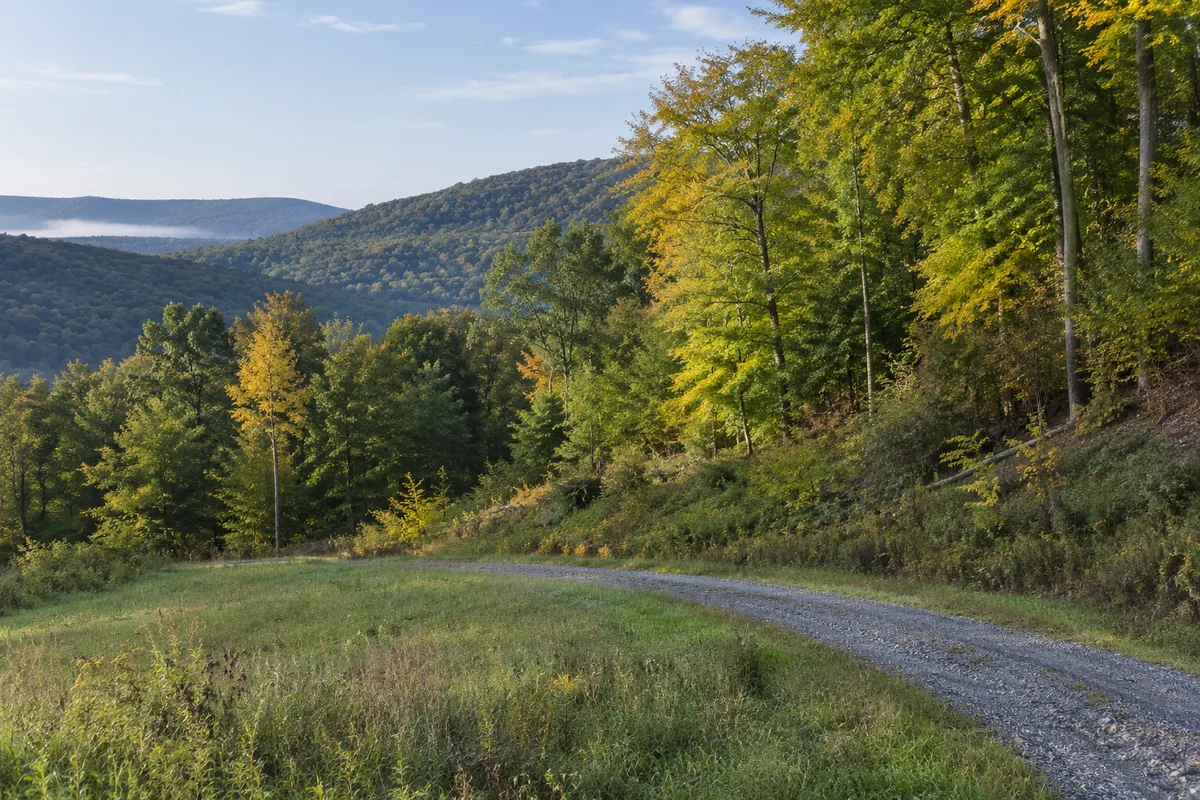
Take photos that help a buyer understand the tract. Start at the entrance. Show the drive, any steep section, open areas, and the route into the woods. Date the photos and say where they were taken.
A visible trail doesn't settle whether the buyer has a written right to use it. Gather the access papers and any road upkeep agreement. Note who uses the drive and any known repair needs. Have the closing team review the papers before promising year-round access.
- Does the land touch a public road, or use a shared drive?
- Which access rights are in writing?
- Where is there flatter ground, and how is it reached?
- Are there old wells, septic systems, or buildings?
- Is there a lease, timber agreement, or other use a buyer needs to know about?
If timber is part of the selling point, gather any past timber review or sale contract. Don't count trees twice by adding an unsupported timber figure to a land price that may already reflect the woods. Ask a forester for a current review if a separate timber value matters to your plan.
Check a Proposed Split Before Pricing Separate Lots
Dividing land can change who might buy it. It can also add survey work, review steps, and costs. Before treating parts of a larger tract as separate ready lots, draw the proposed lines and state what each buyer would use them for.
The county's subdivision and land development page has a map showing county and local review areas. Start there, then ask Planning and Community Development who reviews your township or borough. Ask separately about zoning, which sets the uses allowed in that location.
That page also points owners toward sewage, road access, and other review topics. A sketch of two lots doesn't show that both have a workable entrance or a place for a septic system. Send the parcel number and plan to the reviewing office and ask what must be checked.
For pricing, separate land with a completed approved plan from land with a possible future split. If approval is still open, put that in the listing and offer discussion. Don't price an idea as though every step is finished.
Use the County Map to Find Land, Then Check the Lines
Online maps help you find a tract and nearby roads. They are not the same as a boundary survey. Lycoming's general plan checklist says its parcel data is for reference and should not be used as the parcel boundary on a plan.
The checklist calls for deed and parcel details, lines, easements, and site features. For a seller, the useful first step is to gather the papers you already have. Ask a surveyor which records can support the sale or planned split and what still needs field work.
If a buyer's plan crosses a stream, reaches a steep area, or needs a new entrance, show that spot early. A survey or past plan may help frame the questions. Ask the reviewing office whether the old plan covers the new work.
Compare Land That Serves a Similar Buyer
For a wooded tract used for outdoor recreation, look for sales with similar access, slopes, and rights. For a home site, compare land with a similar path to building. Keep those groups apart until you understand what made each sale useful to its buyer.
Here's a made-up example. Two twenty-acre tracts are listed near one another. One has a documented drive to a flatter site. The other is mostly steep and uses a trail whose rights haven't been checked. A price per acre hides those differences.
Write down why each completed sale is a match and what is different. Avoid a precise county-wide price based on a few unrelated records. If the local sample is small, ask a land agent or appraiser to widen the search and explain the trade-offs.
Put the Unknowns Beside the Offer
- Your land
- Parcel and deed references, acres, owner names, access papers, and any lease.
- The buyer's use
- Woodland, home site, or planned split; reviewing office and records still needed.
- The sale matches
- Finished sale date and price, land included, and the reason each one helps explain yours.
- The offer
- Price, seller costs, balances paid at closing, buyer conditions, and who handles open site checks.
Use our land offer worksheet to compare the money you would keep. For a direct-offer option, tell us about your Lycoming County land. Send the parcel number and what you know about access and use. Missing details are questions to work through, not reasons to guess.
Questions About Lycoming County Land Value
Does a parcel number prove the exact boundary?
No. It helps connect records. The county says its parcel map data is for reference. Use your deed and survey records, and ask a surveyor about lines that need to be checked.
Should I price wooded land like a ready home site?
Compare the uses separately. Access, slope, site checks, and approvals may affect what a home buyer can do. Woods can appeal to another buyer without being a ready building lot.
Who reviews a land split in Lycoming County?
Start with the county's review-area map and Planning and Community Development. Give them the township or borough, parcel number, and proposed lines. Confirm the office for the split and the office for zoning.
What should I gather for the UPI check?
Gather the deed, parcel number, owner names, land location, and any plan for the part being sold. Have your closing team work with Land Records to confirm the document and parcel details before recording.