
Gather the land details and papers you have, choose a price and decide how to find a buyer. You can list with an agent, sell it yourself or compare a direct offer. Missing a deed? Linn County’s recording office has copy-request steps. You can ask about selling while gathering the papers you need.
Tell us about your land. There’s no obligation to accept an offer.
Start with what you know. These steps will help you get ready and choose the way to sell that fits you.
Find a recent tax bill, deed or map pin. Write down the land ID, acres if known and closest road. A land ID is the number used to identify the property. If you own several pieces, list which ones you want to sell together.
Say whether a house, shed or other items are included. If the land has no street address, use the nearest road and papers you have. Don’t guess a street number for an empty field. Keep unclear names, size or boundaries on a short question list.
A deed records a transfer of land. Linn County’s recording page lists its Property Recording Department at 421 Water Avenue NE, Suite 1300, in Albany. Its recording phone is 541-967-3829. This is different from the county’s general courthouse address.
The page says copies can be ordered by written request. Mailed copies are sent after payment, and the office does not fax or email documents. It also gives payment choices for copies obtained in the office. Ask which copy you need, how to describe the record and the current total cost before sending a request.
Have the owner’s name and any recorded document number ready. If you don’t know the number, ask what other details would help find the right paper. Check the county’s current instructions and mailing details before paying.
Keep the deed with your tax bill, any survey and written road or rental agreements. A survey is a measured drawing of the land. Our document checklist helps you keep track. You don’t need to order new work just to ask about a sale.
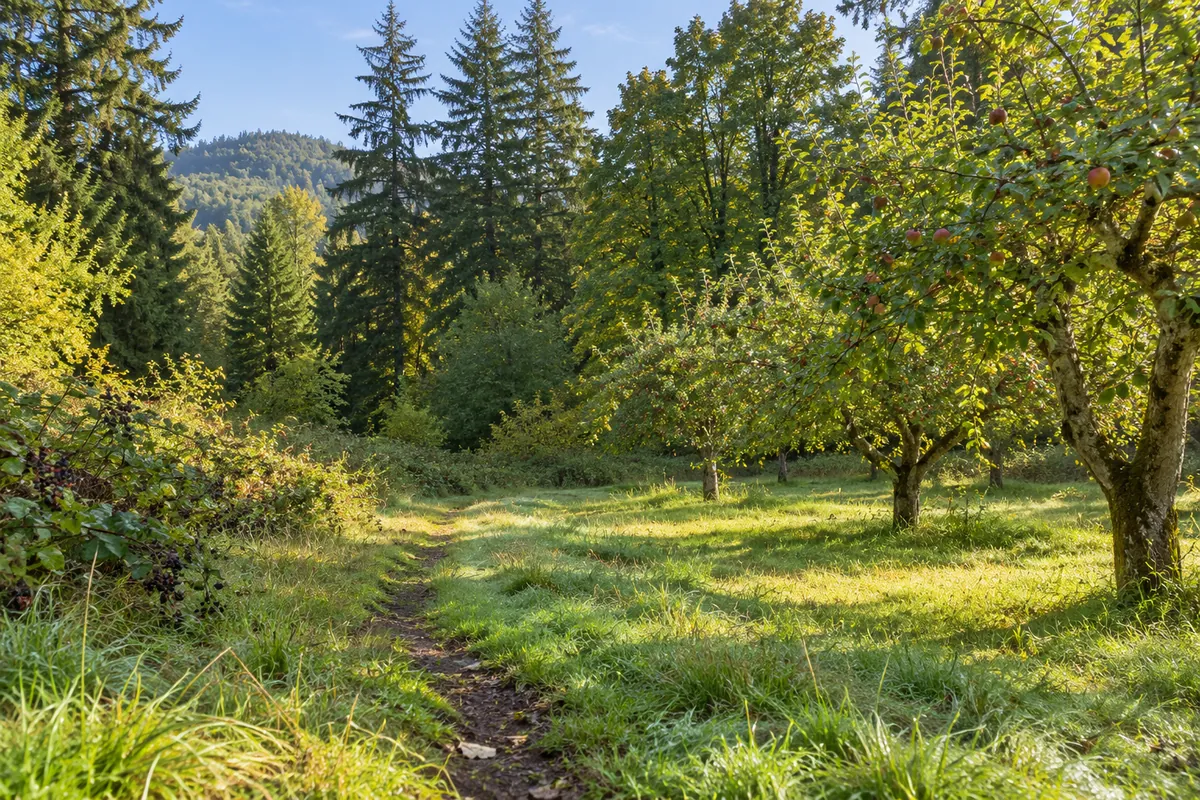
Take clear photos of the entrance, open ground, trees and slopes. Explain how you reach the land now. If the route crosses another property, share any written agreement. A path on the ground does not settle who has a right to use it.
Say whether power or water is connected or only nearby. Keep service papers or old approvals with your notes. Don’t promise a buyer can build a house because one stands next door.
If someone farms, rents or otherwise uses the ground, share any agreement. Ask how that use fits the planned sale date. Let a buyer know about buildings or items that will stay with the land.
You can start with the property as it is. Before paying to clear trees or improve a road, ask an agent about the likely benefit and cost. Good photos and honest details can help a buyer decide what to check.
If you’re handling inherited land or helping settle a loved one’s estate, gather what you have. Note anyone who shares ownership. Ask the closing team which records and signatures it needs before choosing a firm date.
Ask a local land agent for recent completed sales that a buyer would compare with yours. An open field, a wooded property and a small lot can draw different buyers. Compare the size, setting, entrance, services and other items in each sale.
An asking price is what a seller wants. A completed price is what was paid. Ask how the final price was checked and whether it included a house or several pieces of land. Keep a tax value separate from a buyer’s offer.
If close matches are scarce, discuss a range and the unknown details that could change it. Our land value guide explains the general steps. A county average is not enough to price your exact ground.
Think about your time and the work you want to handle. If you’d like a direct Reelvest offer to compare, tell us what you know about your land. You decide whether it works for you.
Check the price, seller costs, planned closing date and buyer’s right to cancel. Ask who holds any deposit and what happens if the sale falls through. Get unclear terms explained before signing.
Compare the money you keep after costs and any loan or unpaid tax balance. Here is a made-up example: a $70,000 offer with $4,000 in seller costs leaves $66,000 before a loan or tax balance. Use our offer comparison worksheet for the real terms.
After you agree on a sale, ask the closing team which records and signatures are still needed. Confirm how payment will reach you. Keep the signed agreement and final papers. Read the Oregon land seller guide for the general process. You can begin asking about selling without having every answer today.
Contact the County Clerk’s Property Recording Department at 541-967-3829. The recording page lists 421 Water Avenue NE, Suite 1300, in Albany. Ask which copy you need, what details to include and the current total cost.
The county’s recording page says it does not fax or email documents. Follow the written-request steps for mailed copies or ask about obtaining a copy in the office. Check the current instructions before paying.
You can begin with the land as it is. Take photos and explain the entrance, services and current use. Ask an agent about the likely benefit and cost before paying for clearing or road work.
Yes. Start with the location and papers you have. Keep missing details on a question list. Ask the closing team which records and signatures it needs before signing or choosing a firm sale date.
Local source links reviewed October 6, 2026.