
Start with the land location, a tax bill or deed, and the papers you already have. Then decide how to find a buyer and compare the price and terms. You do not need every answer to begin. This guide explains what to gather, where to find local help and what to check before you sign.
Tell us about your land. There’s no obligation to accept an offer.
Start with what you know. These steps will help you get ready and choose the way to sell that fits you.
Write down the land ID or account number from your tax bill. Keep the nearest road and acres if you know them. Empty land may not have a street address, so do not invent one.
If the deed uses a long land description, copy it as written. That description identifies the land in the papers. A nickname, map pin or road name can help someone find the area, but it should not replace the description in the sale agreement.
List each piece you want to sell. If you plan to keep part of the land, say so early. A sketch of a smaller piece does not mean it is already ready for a separate sale.
Need help finding a starting number? Our land ID guide explains what to look for.
The Washita County Clerk land-record search has searches by name, document number, book and page, and land description. It is published by a service that hosts the Clerk’s records. It lists different starting dates for indexed records and scanned images, so an older paper may need help from the Clerk’s office.
A search result is a clue, not a full ownership check. Keep the document reference and ask the person helping with closing to review the papers. Some copies or image access may have fees; check before ordering anything.
The Washita County Treasurer is the place for tax-bill questions. Its site explains that the Assessor handles questions about assessed values. A tax value is not an offer price.
For an unpaid tax notice, keep the notice and ask about the current amount owed. Do not assume an old bill shows the full balance due at closing. Share it with the closing team so the payment estimate can be checked.
Start with these, if you have them:
Tell the agent or buyer which papers are missing. You do not need to solve every record question by yourself. Ask the person handling closing what they need and how to get help finding it.
If you’re handling inherited land or helping settle a loved one’s estate, keep any estate papers with the deed. Ask who needs to sign before agreeing to a firm date. There is no need to share personal family details just to ask about sale paperwork.
Use our document checklist if you want a simple list to work through.
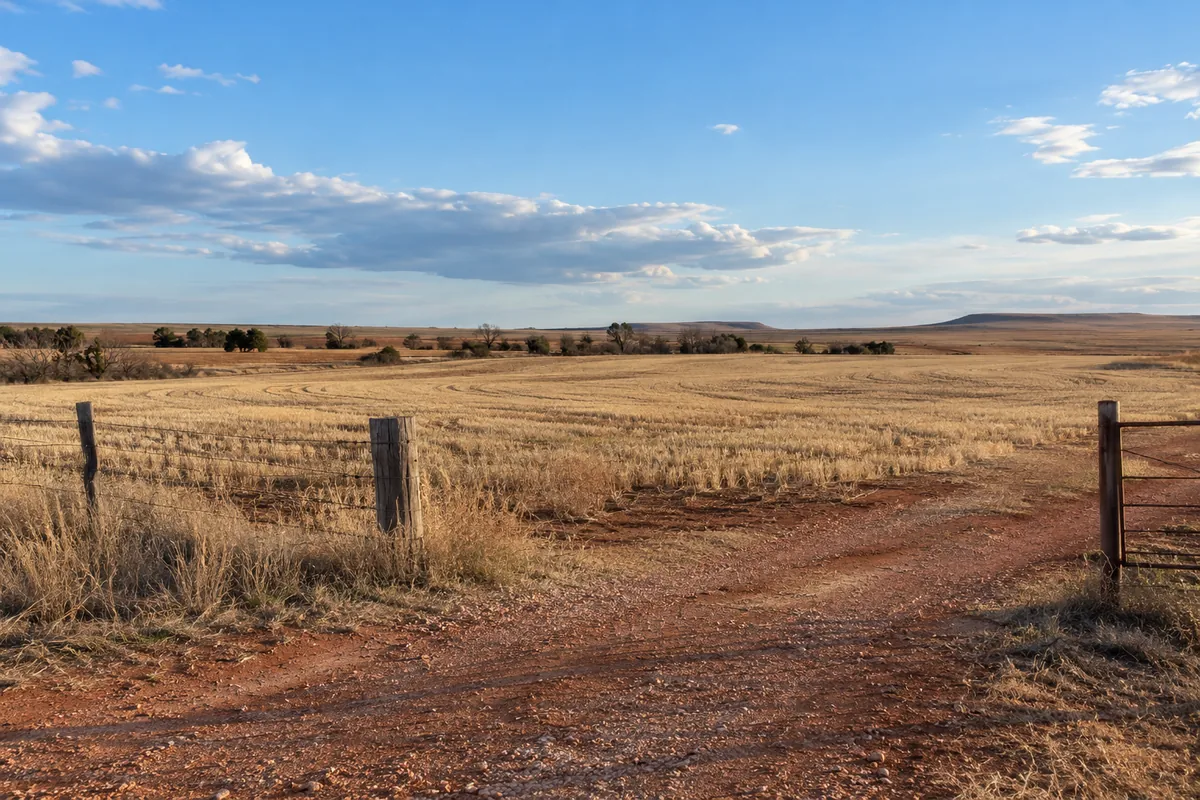
Take a few photos of the entrance and ground if you can do so safely. Tell buyers whether the land is being farmed, used for grazing or rented. Keep any lease ready for review.
Write down how you get to the land. Is there a road entrance, or do you cross another property? If you have a written agreement, share it. A track in a photo does not prove a right to use it.
Say what you know about water, fences and other features. Do not turn an old note or a guess into a promise. If you do not know whether a connection or right is included, say so.
You can start without planning the next owner’s use. Ask which missing detail matters before spending on new tests or work.
A land agent can help price, advertise and show the property. Ask about fees and experience with land like yours.
Selling yourself lets you handle ads and buyer questions. Plan how you will show the land and get help with the agreement and closing.
A direct buyer may give you an offer to compare without a public listing. Ask what the buyer needs to check and what could change the price or date.
For a price conversation, compare similar land that has sold. Check acres, access and what each sale included. A farm with a house or several parcels may not fit a single empty tract. Asking prices and tax values are useful background, not proof of a sale price.
Get the right land, price, costs, deposit and deadlines in writing. Ask who pays each cost, what the buyer may still check and when either side can cancel.
Compare the money you keep. For a made-up example, $60,000 with $5,000 in costs leaves $55,000 before loans and taxes. An offer of $58,000 with $2,000 in costs leaves $56,000. These are examples, not Washita land prices or offers.
Ask who will handle closing and how payment will reach you. Request a payment estimate and a list of missing papers or signatures. Ask for plain explanations before signing and keep copies when the sale is done.
Our offer worksheet and Oklahoma land seller guide can help. If you want a direct offer to compare, tell Reelvest about your land. We’ll review the details and discuss whether we can make an offer. You choose your next step.
Start with the County Clerk’s land-record search. Keep any name, document number or land description you have. Ask the Clerk’s office for help with older records or a missing copy.
Ask the Washita County Treasurer about the current balance. Share the notice with the person handling closing. The Assessor handles questions about assessed values.
Yes. Start with the location and papers you have. Tell the agent or buyer what is missing and ask what is needed next.
Share the agreement and dates you know. Ask how that use will be handled in the sale before promising the buyer they can take over right away.
Compare the price, costs, money you keep, planned date and rules for canceling. Ask what each buyer still needs to check.
Local source links reviewed October 6, 2026.