
Start with the land number on your tax bill and any deed or survey you have. Check which pieces you want to sell, then compare your selling options. Here’s how to find the right Sequoyah County records and get ready for buyer questions, offers and closing.
Tell us about your land. There’s no obligation to accept an offer.
Start with what you know. These steps will help you get ready and choose the way to sell that fits you.
Write down the land number from your tax bill, the road or address and the size if known. Add the names on your deed. If you own several pieces, list each one and mark which ones you want to sell.
The Sequoyah County Assessor page links to its property records site. The Assessor handles property values for taxes and processes ownership changes filed with the County Clerk. Use those records to help identify your land. A tax value is not an offer or a price you are sure to receive.
Your deed also includes a legal description: the written description used to identify the land. Keep it with the land number and any map. Ask the closing team to confirm which land an offer covers if the papers seem to differ. Don’t assume a street address covers every piece you own.
The Sequoyah County Clerk keeps recorded real estate papers. These include deeds, mortgages and records of claims against land. Its page links to Search Land Records. Start there or ask the office for help locating your deed.
Save the document number or book and page shown on a record. Keep that reference with any copy you get. It helps an agent, buyer or closing team return to the same paper when they have a question.
A record search helps you gather papers. It does not replace a review of ownership and debts before closing. For example, an old mortgage record may need a later paper showing it was paid off. Ask the closing team to check which records still affect your sale.
The County Clerk and Court Clerk are separate offices. The county’s Where Do I? page directs land-record searches to the County Clerk and property-tax payments to the Treasurer. Use it to find the right starting point when you are unsure whom to ask.
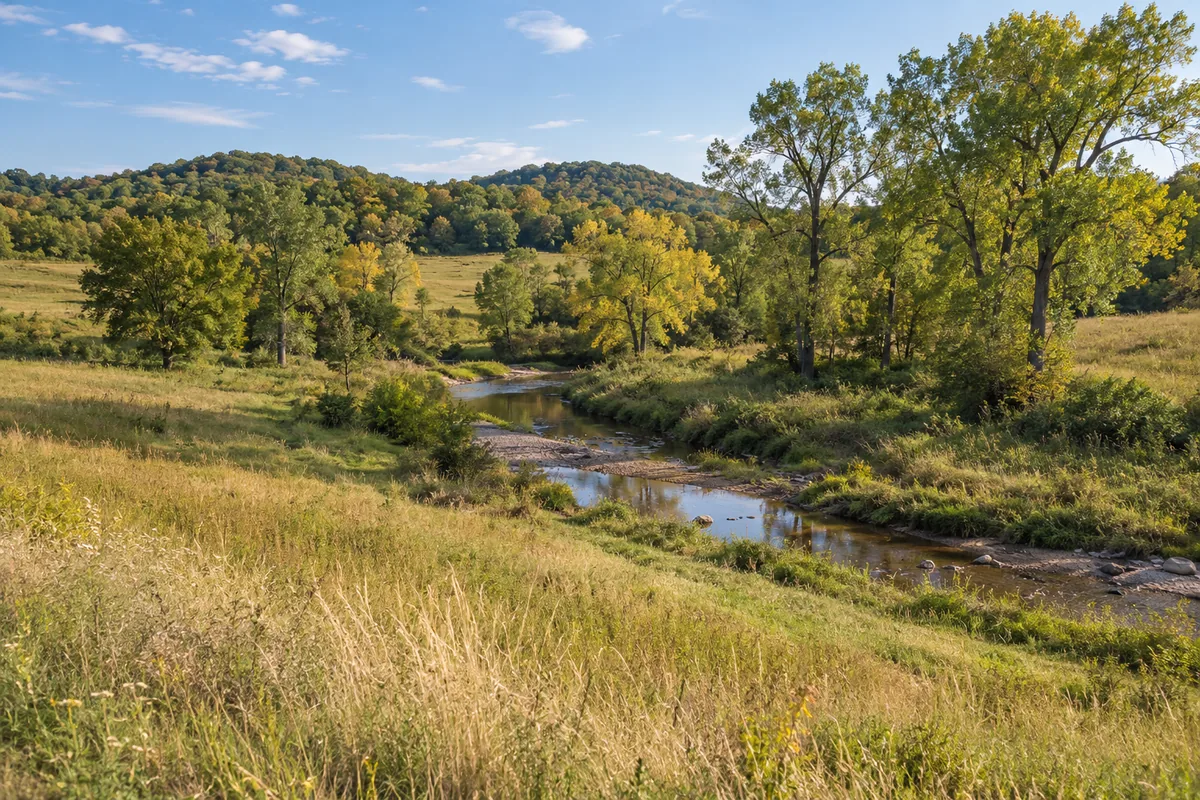
Make a short note about what the land is like and how you reach it. Include open or wooded areas, slopes, fences, buildings and places that stay wet. Take a few photos if you can do so safely. Say what you know and what you have not checked.
This list gives you a useful place to start. You can discuss a sale while questions are open. Make sure the written offer says which checks the buyer will do and when they must finish.
Ask a local land agent about recent completed sales of similar land. Compare access, size, usable ground and possible uses. A nearby house sale or a listing price may not be a useful match for empty land.
Then compare your choices. An agent can help market the land and handle buyer questions. Selling yourself means you take on more of that work. A direct offer gives you another choice to compare. Ask about costs and terms for each route.
Think about your own goal. Do you want to reach more buyers, reduce the work you handle or aim for a certain date? There is no single best choice for every seller.
Keep notes on each completed sale used to discuss your price. Ask what was included and how the land differs from yours. If good sales are scarce, keep the range broad. A tax value is not the same as an offer.
Make sure the offer lists the right land numbers and legal description. Check the price, deposit, buyer checks, closing date and who pays each cost. Ask what lets the buyer cancel and what happens to the deposit.
The money you keep matters more than the headline price. In a made-up example, $80,000 minus $6,000 in seller costs leaves $74,000. An offer of $77,000 with $2,000 in seller costs leaves $75,000. Both are before loans, taxes or other debts. These are teaching figures, not local prices or fees.
Use our land offer worksheet to compare the details. Ask for a plain explanation of any term you don’t understand before signing.
Ask who will handle closing and which papers they need. Share loan details, unpaid-tax notices and the names of any other owners. Ask for an estimate of the money you will receive and any items still waiting to be checked.
If the land came to you through a family estate, share the papers you have when you feel ready. Ask the closing team or your attorney who can sign and whether more steps are needed. A family member’s name on an old deed may need review before a sale.
Keep copies of the agreement and final sale papers. Confirm how payment will reach you through a trusted contact. Read our land seller document checklist and Oklahoma land seller guide for more help.
If you’d like a Reelvest offer to compare, tell us about your land. Start with what you know. You decide whether an offer works for you.
Start with the land number on your tax bill, a deed if you have one and the pieces you want to sell. Write down what you know about access and the land itself. You can gather missing papers as you go.
Start with the Sequoyah County Clerk. The county directs land-record searches there. Its page links to Search Land Records, and the office can help you locate a record.
It is a value used for taxes, not an offer. Ask a local land agent about recent completed sales of similar land. Compare size, access, usable ground and likely uses before choosing a price.
The county Where Do I? page directs property-tax payments to the Treasurer. Ask that office about the current balance. Give the closing team your recent bill and any unpaid-tax notices.
You can look for a buyer yourself or ask for a direct offer. You will have more of the marketing and buyer questions to handle yourself. Compare the work, costs and written terms with an agent listing.
Gather the papers you have when you feel ready. Ask the closing team or your attorney who can sign and whether there are more steps to take. You don’t need every answer before asking for help.
Local source links reviewed October 6, 2026.