
To sell land in Oklahoma County, gather the papers and photos you have, choose a price, and decide how to find a buyer. Start with the location, a tax bill and any deed copy. You can get help with missing records along the way.
Tell us about your land. There’s no obligation to accept an offer.
Start with what you know. These steps will help you get ready and choose the way to sell that fits you.
Put your tax bill, deed and any survey you already have in one folder. Add photos, the nearest road, acres if known, and a map pin. For land without an address, a map pin and the property number are a useful start.
Write down which lots or parcels you want to sell. If you own adjoining pieces, don’t assume one bill or deed covers them all. Keep each record with the right piece of land.
Add any loan statement, lease or shared-drive paper. Write down the owners you know about and any questions about who needs to sign.
If you’re handling inherited land or helping settle a loved one’s estate, start with the papers you have. A closing team or attorney can explain what is missing. You don’t have to work it all out alone.
Before clearing land or buying a new survey, ask what question that work would answer. You can begin with the records and photos you already have.
Keep your tax bill beside a map pin and the nearest road. The property account number helps you find the right record. Write down each number if several pieces of land go with the sale.
The Oklahoma County Assessor’s search tips explain why empty land may be hard to find by address: some properties don’t have a street address in the database. Try the owner’s name or the account number from your bill instead of guessing an address.
For real estate, the county’s property search page uses an R followed by nine digits. Keep the R when entering the number. For a name search, put the last name first. Check the location and acres before saving a result.
If you can’t find a match, call the Assessor at 405-713-1200. Tell them the owner name and land location you know. A county map can help you locate the land, but it doesn’t settle an unclear boundary. Keep a deed or old survey with it.
The Oklahoma County Clerk keeps recorded deeds, mortgages, liens and other land papers. A deed is the paper used to transfer land ownership. If your copy is missing, ask the office how to find it.
The Clerk links to OKCC’s land records website. It offers searches by name, address, book and page, and document number. If your land has no address, start with an owner’s name or a reference from an old paper. A book and page number tells staff where a recorded paper is filed.
For help, call the Clerk’s office at 405-713-1540. Say you need a deed copy and ask who can help. Ask whether a regular copy will do or a certified copy is needed. A certified copy has the office’s stamp confirming it matches the record. Ask the closing team which kind they need before paying for it.
The county says new records may take time to appear online, and some papers aren’t shown there. If a paper is missing, ask the Clerk about the office record. Don’t assume a search with no result means there is no deed or loan.
If you’re handling inherited land or helping settle a loved one’s estate, start with the papers you have. A closing team or attorney can explain who needs to sign and what is still missing.
The Treasurer’s property tax search lets you look by account number or name and address. Keep the account number from the Assessor’s record or your bill handy. The search includes the current year, six prior years and older unpaid accounts.
For help with the bill or the amount owed now, call the Oklahoma County Treasurer at 405-713-1300. Check each piece of land included in the sale. Ask which years the balance covers and whether any payment is still being posted.
If a mortgage company pays your taxes, compare the county record with your loan statement. The Treasurer notes that a payment may go through a tax service before reaching the county. Ask about a mismatch rather than assuming taxes are paid or unpaid.
Give the closing team the current balance and your receipts. Ask how unpaid taxes will be handled and what that means for the money you keep. An old bill alone may not show the amount due at closing.
Show how you reach the land and what is there now. A buyer needs clear photos and honest notes about the property.
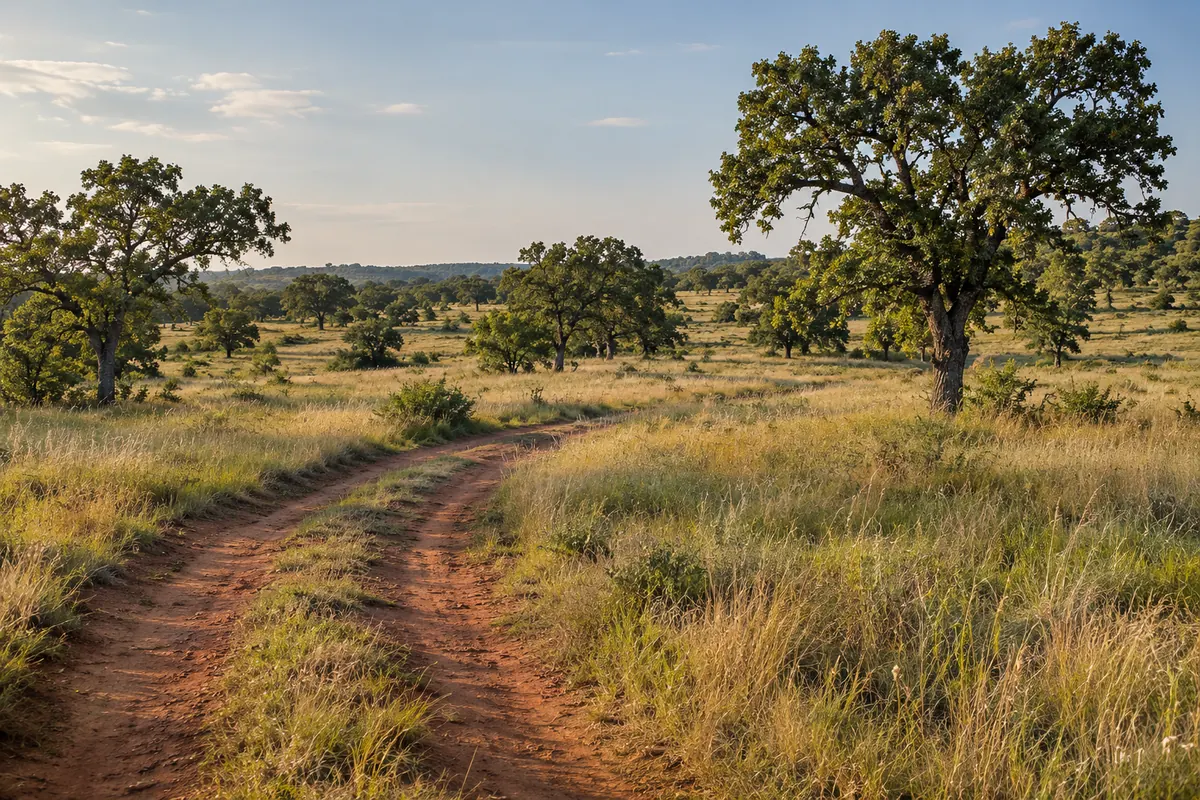
For an empty lot, show the street and entrance. For acreage, include the gate, open ground and tree cover. If someone rents or uses the land, gather the agreement and explain what stays with the sale.
You don’t have to plan a buyer’s house before asking about selling. Make one list of what you know and another of the questions still open. Don’t promise what they can build without checking.
Look for nearby land that has sold and offers a buyer something similar. Compare size, road access, services, ground, buildings and current use. A city lot with services may be a poor match for acreage reached by a shared dirt drive. Compare what a buyer would get, not just the number of acres.
Write down each sold property, sale date, price and what went with it. Keep asking prices separate. They show what owners hope to get, not what buyers have paid.
Check whether the price covered a home, several lots or other items. Count one deal once. A family transfer may tell you little about what a buyer would pay in an open sale.
Two pieces of land of the same size can have different entrances and services. A sewer line nearby is different from an existing connection. Ask how those differences affect the price range instead of using acres alone.
A tax value alone isn’t a price plan. Ask a local land agent or appraiser to help choose a range if useful matches are hard to find. Explain your price with facts you can show.
List with an agent: A land agent can help set a price, market the land and work with buyers. Ask about the work they’ll do, the agreement length and fees before signing.
Sell it yourself: You handle the listing, calls and buyer questions. Have a clear way to show the land and compare written offers. Ask who will handle the sale papers and closing.
Ask a direct buyer: This gives you an offer to compare with the other choices. Check the price, costs and any checks the buyer needs before closing.
If you’d like to compare a direct offer, tell Reelvest about your land. We’ll review what you share and let you know if we can make an offer. You decide whether the terms fit your plans.
Put each written offer side by side. Check the lots included, price, deposit, costs, target closing date and any reason the buyer can cancel.
Ask for an estimate of the money you keep after costs, unpaid taxes and loan balances. For a simple example, a $40,000 offer minus $2,000 in seller costs leaves $38,000 before any debt. Those figures are just math, not a price estimate for your land.
If one buyer pays a cost and another leaves it to you, compare the final amounts. Ask what still needs to be checked and when the buyer expects to be ready.
Our land offer comparison worksheet can help you keep the details together. If a term is unclear, ask for an explanation before signing.
The closing team checks records, explains which owners need to sign and prepares the papers. Give them the deed, tax bill, loan statement and other records you’ve gathered. Ask for a short list of anything still missing.
Have current balances checked. An old bill may not show what is owed now. Ask how taxes, a loan or other amounts will be paid from the sale.
Before signing, check the parcel numbers, land included, price, costs and payment details. Save the signed agreement and closing papers.
Use our land seller document checklist to gather the basics. For wider questions, see the Oklahoma land seller guide.
Yes, you can start with the nearest road, a map pin and the property account number. The Assessor says some land has no street address in its database. Ask for help finding the record if the number or owner name doesn’t give a clear match.
The county uses R followed by nine digits for real estate accounts. Keep the R when using the property search. Compare the location and acres with your own papers before choosing a result.
Ask the County Clerk for help with a deed copy. New records may take time to appear online, and some papers aren’t shown there. Have an owner name and any old book, page or document number ready.
Start with the papers and photos you have. Ask what a survey or clearing would answer before paying for it. A county map helps locate land, but it doesn’t settle an unclear boundary.
Gather the papers you have and ask a closing team or attorney who needs to sign. They can explain what is still missing. You don’t have to solve every question before asking for help.
No. You can compare an agent, selling it yourself and a direct offer. Check the price, costs, buyer’s terms and money you keep. Choose the path that fits your plans.
Local source links reviewed October 4, 2026.