
Start with sales of land that’s like yours. Check the exact parcel, what sold and what a buyer can use it for. A county average or a nearby asking price won’t tell you all of that.
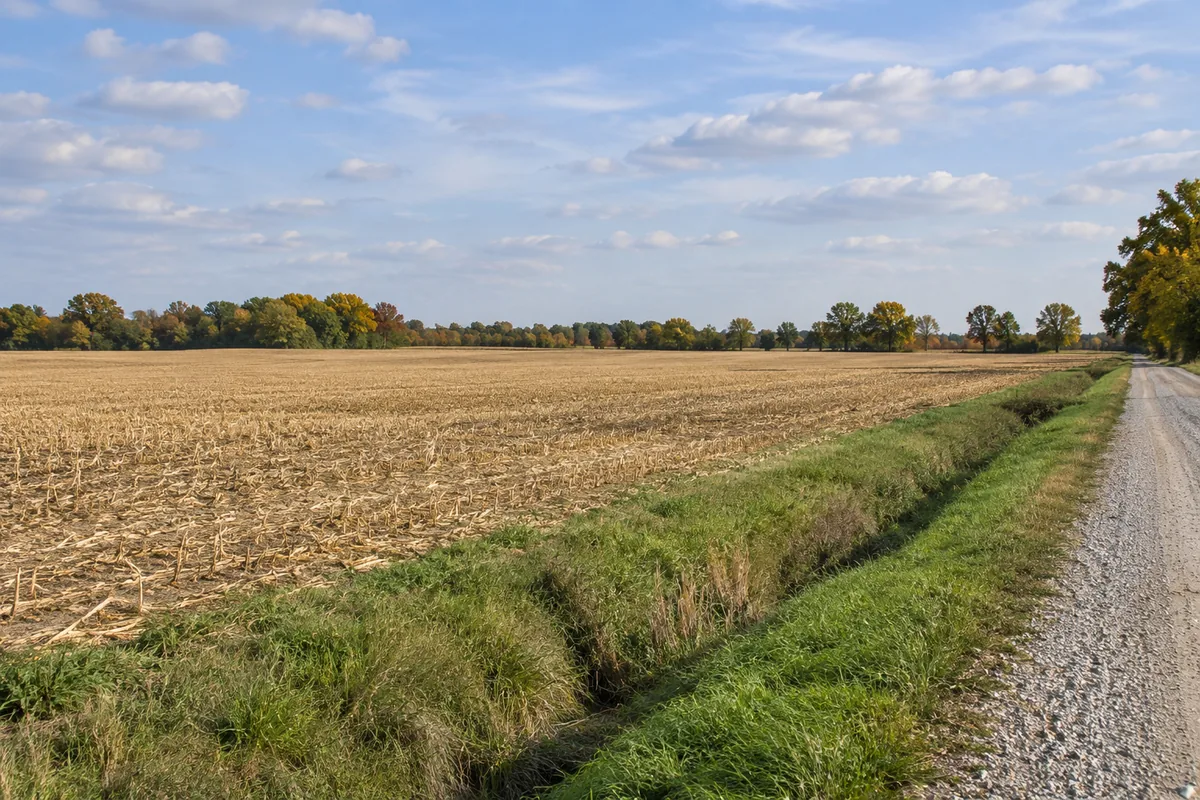
Find Your Parcel Before Looking at Prices
Open the Madison County Auditor’s property search. Search by parcel, owner or address. A parcel is a piece of land with its own ID. Save the ID, acres, map and any building details. If you own several parcels, list each one.
The Auditor’s site links to a GIS parcel map, which helps you see the land’s location. Use it to check whether a sale is nearby and similar in shape. It isn’t a survey of the lot lines.
Look at the property record’s sale history too. Keep the deed or document reference so you can check what changed hands. The Madison County Recorder’s official search lets you search by owner name, document type or number. Match the land description to the parcel you’re checking.
Use County Sales as a Starting Point
The Auditor has a Sales Report with a date range and links to matching parcels. It reports both sales and parcels. Those are different counts: one sale may cover more than one piece of land.
You can also browse the Sales List by date range. Open a property record before adding it to your comparison. Check whether it had a house, barn or other building. A sale price that includes a home is not a bare-land price.
Keep each deed or sale event once. If the same sale appears on two parcel records, don’t count it twice. If you can’t tell which parcels the price covers, set that sale aside until you can check the deed.
Check What the Land Can Be Used For
Two fields with the same acres may have different buyers. One may be used for crops. Another may be a small lot with a home plan. Match the likely use before comparing prices per acre.
The County’s Planning and Zoning page handles questions about lot splits, floodplains and land use in the unincorporated areas it serves. Unincorporated means outside a city or village. Give staff the parcel ID and ask which office handles your lot.
That page also says to get the Engineer’s approval for a driveway permit before Planning and Zoning assigns a property address. If a buyer wants a new home, ask about the entrance and the home plan before calling the land ready to build on.
For farm ground, note access for equipment, drainage, wooded acres and any crop lease. For a home lot, note the entrance, service records and any approval still needed. Keep unknown details marked as unknown.
A Comparison Sheet You Can Use
For each possible match, write down these details. Keep the record link or deed number with your notes.
- 1. What sold?
- List all parcel IDs and the deed reference. Was it one lot, several lots or land with buildings?
- 2. When and for how much?
- Write the sale date and full price. Keep an asking price in a separate column.
- 3. How much usable land?
- Check the acres, shape and known wet or steep areas. Don’t guess how much can be built on.
- 4. How does a buyer reach it?
- Note the road entrance and written access. A trail on a map does not settle road rights.
- 5. What can the buyer do with it?
- Compare farm ground with similar farm ground, and home lots with similar home lots. Mark missing zoning or service details.
- 6. Is it a good match?
- Keep it, set it aside or ask for more records. Explain your choice in one short sentence.
A simple math example: a $120,000 sale of 10 acres works out to $12,000 per acre. These numbers are just an example, not a local sale or a price estimate. It only helps if the price covers those 10 acres and the land is a useful match.
Use our land value guide for the broader process. Once you have an offer, use the offer worksheet to compare costs and the money you keep.
Tell Us What You Know About Your Land
You can ask about an offer without finishing a full price study. Share the parcel ID, acres and what you know about access or allowed use. If you have a few possible sale matches, send the records and explain why they seem useful.
Try this: “My parcel ID is ____. The land is about ____ acres. These sales may be similar: ____. I still need to check: ____.”
Tell us about your Madison County land →
See our Madison County seller page for selling steps and the Ohio seller guide for more records to gather.
Questions About Madison County Land Value
Is the tax value the amount my land will sell for?
No. Use the tax record to identify the parcel and gather details. Then check similar completed sales and the buyer’s terms. The money you keep can differ from the offer price.
Why does the Auditor report sales and parcels separately?
One sale can include more than one parcel. Check the deed and every included parcel before dividing the price by acres or counting the sale.
Can I use a sale with a house to price bare land?
It may be a poor match. The full price may include the house and other improvements. Look for land with a similar use and setup, or get help separating those values.
Do you have a verified current price per acre for Madison County?
This guide does not publish one. The old listing collection lacked the parcel and deed checks needed for a sound county summary. Use the current county records linked here to check useful sale matches.