
To find a useful price range for your Lake County land, start with recent sales of land like yours. Check the full price, acres, location, and what was included. A county average or an old listing price can miss the details that matter to your buyer.
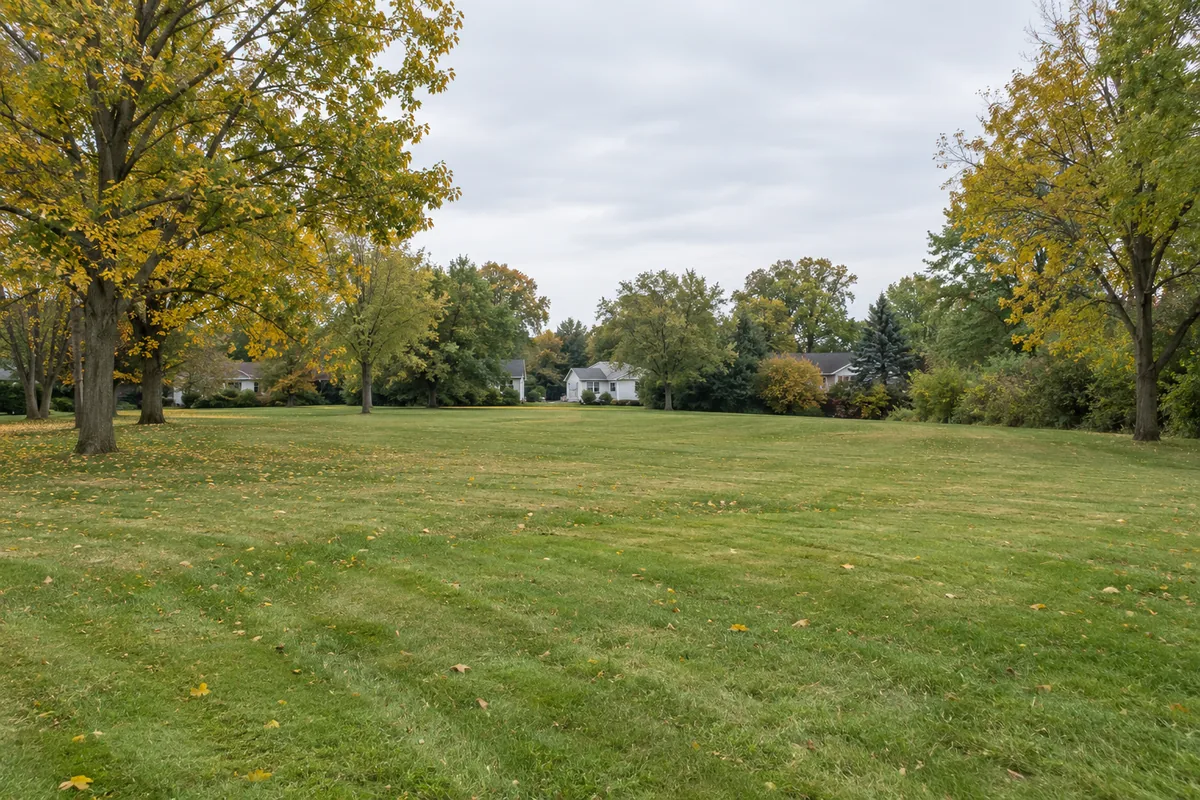
Find Your Land Record Before Comparing Prices
Start with a recent tax bill or deed. Write down the land number, often called a parcel ID, the acres, and the township or city. If you own several pieces, list each one and decide which you want to sell.
The Lake County Auditor’s Basic Property Search has fields for the parcel ID, owner, and address. Use the land number from your papers if there is no street address. The site’s address help says to leave off the street suffix for best results.
If you need help with the property record, ask the Auditor’s Real Estate Department at 440-350-2532. Check whether the acres and buildings match what you plan to sell.
Make a short note about the entrance, road frontage, water, power, and included items. A mailing city does not always settle which county a property is in. Use the actual county record rather than a city name alone.
Find Completed Sales and Check What They Include
Ask a land agent for recent completed sales that seem close to yours. Request the date, full price, land numbers, and included buildings. A listing ad can show the asking price instead of the price paid.
The Auditor’s site links to the Lake County Real Estate Sales Dashboard. At our review, its main figures were labeled 2025, and it offered property-type and year controls. A dashboard’s year in its title does not make every figure a current-year land price.
Read the year, property type, and area beside a number. A total or average covering many kinds of real estate is not an average price for empty land. Use the dashboard as a starting point, then check specific sales.
The Recorder’s Record Research Options page explains where to find deed papers. It says the AVA online index starts in 1986, available digital images start in 1987, and the office has deed books back to 1840. An index is a list that helps you find a recorded paper.
For an older deed, missing entry, or copy question, ask the Recorder at 440-350-2510. Ask about any charge. Read the deed and sale papers to check which pieces were included. If the full deal is unclear, leave it out of your price range for now.
Choose Land a Buyer Would Compare With Yours
Choose a few checked sales a buyer would see as similar. Compare what each buyer received and why the price might differ from yours.
- Size and location: Match similar acres and nearby places. A small neighborhood lot can differ from a large tract outside town.
- Access: Check road frontage, an entrance, and any written right to cross other land. Note a shared drive or seasonal route.
- Services: Check what water, sewer, power, or other service is actually present. A line in the road is different from a working connection included in the sale.
- The ground: Compare woods, open land, slopes, and wet spots. A broad acreage total does not show how the ground can be reached or used.
- Water and included items: Separate actual waterfront from nearby land. Check any written access right, homes, cabins, and other items included.
Don’t count a deal twice because it appears in two places. Match the land numbers and recorded deed. Keep several parcels together if they sold for one price.
Asking prices help you see what else a buyer could choose today. Keep them separate from completed sales. A price in an ad does not tell you what the seller received.
Use a Simple Sheet to Compare the Numbers
Make one row for each checked sale. You can use a notebook or a spreadsheet. Leave a space blank when a fact is still missing.
| Write down | Why it helps |
|---|---|
| Sale date and source | Shows when it happened and where to check it |
| Parcel numbers and recorded deed | Identifies the full deal and avoids duplicates |
| Full price and total included acres | Keeps a multi-parcel sale from looking like one lot |
| Buildings, access and services | Shows what the price bought besides acreage |
| Main differences from your land | Helps explain why the price may differ |
For a made-up example, a $90,000 sale of 15 acres is $6,000 an acre. That is $90,000 divided by 15. If the deal included two parcels totaling 15 acres, don’t divide the full price by just one parcel’s size.
Another fictional sale of a home and 10 acres for $240,000 works out to $24,000 an acre. It would be misleading to call that the price of empty land. The home and other features were part of what the buyer paid for.
Use price per acre to compare checked examples, then look at the differences. Don’t multiply one sale’s number by your acres and treat the answer as a firm value.
Ask a land agent to explain a range using the best matches. If you need a written value for an estate or another formal purpose, ask about an appraisal. An appraisal is a written opinion of value for a stated date and purpose. For more examples, see our land-value guide.
Keep Tax Values and the Tax Bill Separate
The Auditor sets property values for taxes. The record can help you check the listed land and buildings. It is not a buyer’s offer or a promise that the property will sell for that amount.
Read the year and what the number includes. If a farm-use or other special tax value is listed, ask the Auditor to explain it. Share the papers with the closing team before changing how the land is used.
For a current balance or past-due bill, use the Lake County Treasurer. Ask the closing team to confirm what is due for your exact land number at the planned closing date.
The Treasurer’s page labels 2025 real-estate taxes as payable in 2026, and 2026 taxes as payable in 2027. Keep the tax year and payment year separate when asking about a bill. A tax balance also differs from the property’s tax value.
Show the closing team any unpaid-tax notice you have. Ask which amounts will come out of your payment. Don’t assume a buyer’s offer includes every bill or fee.
Compare the Money You Keep When an Offer Arrives
A price range helps you decide what to ask. An offer tells you what one buyer proposes to pay and the terms they want.
Check who pays the agent fee and other sale costs. Ask what taxes, loan balance, or other amounts will come out of your payment. Get a written estimate of the money you would keep.
For a fictional example, a $90,000 price minus $5,000 in agreed costs and $2,000 in unpaid balances leaves $83,000. The exact numbers depend on the deal. A lower headline price with different costs could leave you with more, so compare the full terms.
Read the buyer’s checks, any right to cancel, the deposit terms, and the target closing date. Ask what must happen before you receive the money.
You can list with a land agent, sell it yourself, or compare direct offers. If you’d like another option, tell Reelvest about your land. We’ll review the details and let you know if we can make an offer. You decide whether it fits.
For steps beyond pricing, see the Lake County seller guide.
Questions About Lake County Land Value
Does this page give a current Lake County price per acre?
No. It explains how to build a useful range for your own land from checked completed sales. A county average can hide differences in size, access, services, and included buildings.
Where can I find my county land record?
Use the Lake County Auditor’s Basic Property Search with the parcel ID, owner, or address. The Real Estate Department can help at 440-350-2532. Use the land number if there is no street address.
Can I use the dashboard average as an empty-land price?
Check the year, property type, and area first. At our review the main figures were labeled 2025. A broad real-estate average does not show what buyers paid for land like yours.
Where can I find an older deed?
Ask the Recorder at 440-350-2510. Its research page says the AVA index starts in 1986 and the office has deed books back to 1840. Ask about the right copy and any charge.
Why does the tax year differ from the payment year?
The Treasurer labels 2025 real-estate taxes as payable in 2026, and 2026 taxes as payable in 2027. Check both years on your bill and ask the Treasurer or closing team about the balance you need.
How do I compare an offer with listing through an agent?
Compare the money you keep, sale costs, buyer conditions, and target date. Ask what the listing fee and terms would be, then choose the route that fits your goal.
Local source links reviewed October 4, 2026.