
To sell land in Fulton County, gather its location and the papers you have, choose a price, and decide how to find buyers. A tax bill, deed and clear photos are a good start. If some papers are missing, county offices can help you find the records you need.
Tell us about your land. There’s no obligation to accept an offer.
Start with what you know. These steps will help you get ready and choose the way to sell that fits you.
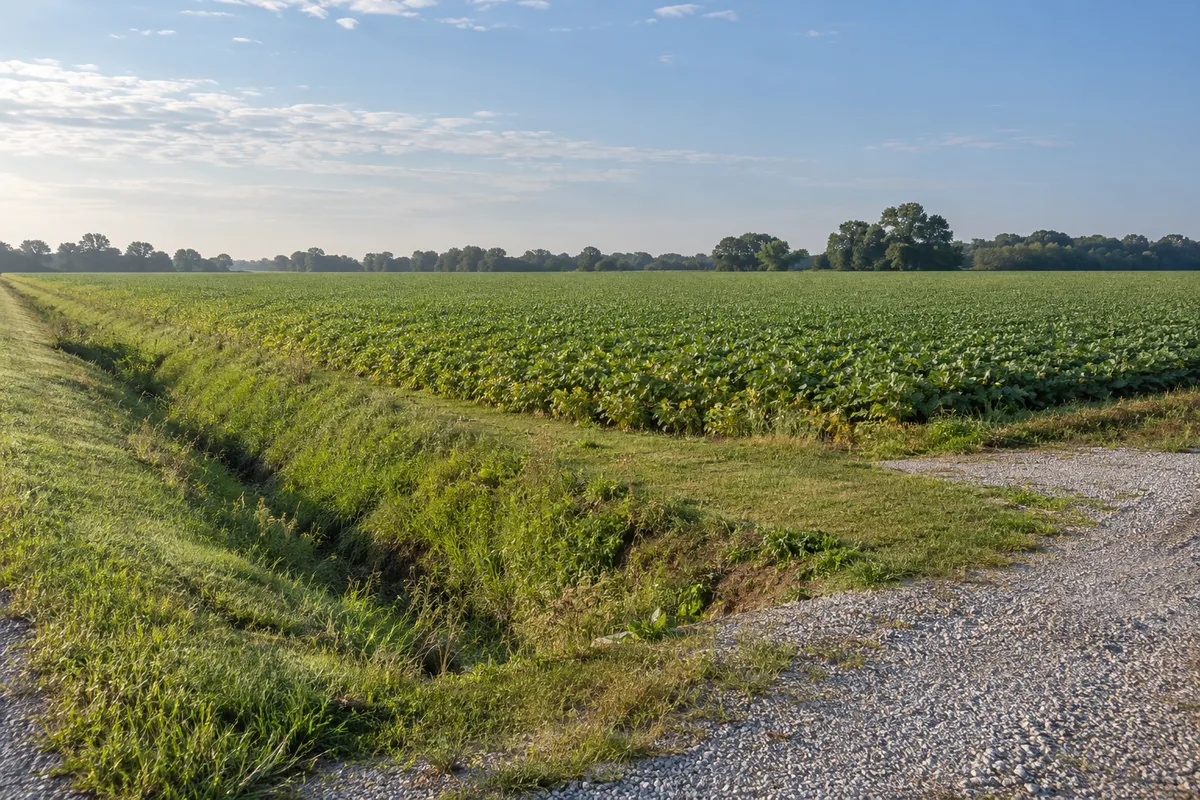
Put a tax bill, deed and any survey you already have in one folder. Add photos, the nearest road, the size if known, and a map pin. For land without a street address, a map pin and tax bill help a buyer find it.
Keep the parcel number with the location. This number identifies the land in county property records. If the sale includes several parcels, list each one and say which ones are included.
Add any loan statement, lease or shared-drive paper. Write down what you know about the entrance, power, water and septic. Leave a question open if you don’t know the answer.
If this is family land, start with the papers you have. A closing team or attorney can help explain missing estate records and who needs to sign. You don’t have to work it all out alone.
You don’t need to start by clearing the land or buying a new survey. First ask what question that work would answer and how it would help the sale.
Start at the Auditor’s Fulton County property-search page. It links to the county’s current property lookup. Save that county link so you can return to the right search.
The Treasurer’s guide says property searches can use a parcel number, owner’s name or property address. If the land has no address, start with the name or number on your tax bill. Check that the location and land shown match what you plan to sell.
Save the parcel number and a copy of the record with your papers. For help with the real estate record, the Auditor’s office lists 419-337-9200.
A property record helps you identify the land. It doesn’t set your sale price or answer every ownership question. If an old paper and the current record differ, keep both and ask the office to explain the difference.
The Fulton County Recorder keeps recorded land documents. Its page links to “Fulton County Land Records Search.” Use that link when looking for a deed, rather than treating a tax record as a deed copy.
Have the owner’s name, land location and any deed book and page or recording number ready. If you can’t find the right document, call the Recorder at 419-337-9232. Ask what details they need and how to get a copy.
The Recorder also links to printable plats and land surveys. A plat is a drawing that shows land lots. This may help you find an older drawing, but don’t assume every parcel has a survey in that collection.
Ask the closing team which documents they need before ordering paid copies. Finding one deed is a starting point; the closing team still needs to check ownership and other recorded papers for the sale.
If you’re missing a tax bill, the Treasurer’s tax questions page explains how to find and print it through the property search. It also says you can check the “Payment History” section to see recorded tax payments.
For a current balance or a duplicate bill, call the Treasurer at 419-337-9252. Have the parcel number ready. If bills have gone to an old address, ask how to correct the mailing address.
Use a current balance when comparing offers. An old bill may not show what is owed now. Ask the closing team how taxes will be handled and what amount will come out of your sale money.
A buyer wants to know how to reach the land, what is there now and what still needs checking. Share the facts you know and the papers that support them.
You don’t have to solve every question before starting. A clear list of what you know and what needs checking helps a buyer decide what to look into.
Look for land that has sold near yours. Start with the nearby areas, then compare size, road access and likely use. A farm field and a small wooded lot may draw different buyers.
Write down each sold property, sale date, price and what makes it similar. Ask a land agent to help if you can’t find enough useful matches. Keep asking prices separate: they show what owners hope to get, not what buyers have paid.
For each price example, ask what was included. A home, several lots or a family transfer can make a number a poor match for your empty land. Avoid choosing a price from a county-wide average alone.
Think about a price range and your reasons for it. You can adjust as you learn more about the land and hear from buyers. Your tax value is useful background, but it doesn’t tell you what today’s buyer will offer.
List with an agent: A land agent can help set a price, market the land and work with buyers. Ask about the work they’ll do, the agreement length and fees before signing.
Sell it yourself: You handle the listing, calls and buyer questions. Have a clear way to show the land and compare written offers. Ask who will handle the sale papers and closing.
Ask a direct buyer: This gives you an offer to compare with the other choices. Check the price, costs and any checks the buyer needs before closing.
If you’d like to compare a direct offer, tell Reelvest about your land. We’ll review what you share and let you know if we can make an offer. You decide whether the terms fit your plans.
Put each written offer side by side. Check the lots included, price, deposit, costs, target closing date and any reason the buyer can cancel.
Ask for an estimate of the money you keep after costs, unpaid taxes and loan balances. For a simple example, a $40,000 offer minus $2,000 in seller costs leaves $38,000 before any debt. Those figures are just math, not a price estimate for your land.
If one buyer pays a cost and another leaves it to you, compare the final amounts. Ask what still needs to be checked and when the buyer expects to be ready.
Our land offer comparison worksheet can help you keep the details together. If a term is unclear, ask for an explanation before signing.
The closing team checks records, explains which owners need to sign and prepares the papers. Give them the deed, tax bill, loan statement and other records you’ve gathered. Ask for a short list of anything still missing.
Have current balances checked. An old bill may not show what is owed now. Ask how taxes, a loan or other amounts will be paid from the sale.
Before signing, check the parcel numbers, land included, price, costs and payment details. Save the signed agreement and closing papers.
Use our land seller document checklist to gather the basics. For wider questions, see the Ohio land seller guide.
Yes. Start with your tax bill, location and papers you have. The Recorder can help you find a deed copy. Ask what question a new survey would answer before paying for one.
Try the parcel number or owner’s name from your tax bill. Keep a map pin and nearest road with the record so a buyer can find the land.
The Fulton County Recorder links to a land-record search. If you need help finding the right document or getting a copy, call 419-337-9232 with the name and recording details you have.
The Treasurer can help with the current balance at 419-337-9252. You can also use the property search and its Payment History section. Ask the closing team how the balance will be handled in your sale.
Not always. Start with clear photos and the facts you know. Ask how any work would help the sale and what it would cost before hiring someone.
No. Compare it with listing the land or finding your own buyer. Ask questions about the written price, costs and terms, then choose what works for you.
Local source links reviewed October 4, 2026.