
Start with your land’s location and the papers you have. Then research a price, choose how to find a buyer and compare written offers. You can start asking about selling before you know every answer. This guide walks you through the steps, whether you use an agent, sell yourself or consider a direct offer.
Tell us about your land. There’s no obligation to accept an offer.
Start with what you know. These steps will help you get ready and choose the way to sell that fits you.
Look for a recent tax bill, deed or old survey. A deed is the paper used to transfer ownership. A survey shows land lines. Write down the county’s land ID number, the acres you believe you own and any other owners. If you plan to sell several pieces, list each one.
Wake County says its Real Estate Search lets you review your account, land and building details, deeds and other property information. Follow the county’s link to find your record. Keep a copy with the date you looked. If you need help finding the right land, ask Tax Administration.
Compare the record with your papers. Note anything that seems wrong, such as the acres or a building that is no longer there. Do not guess to fill a gap. You can give an agent or buyer what you know and explain what still needs checking.
Write down how you reach the land, who uses it and whether it has a lease. Add a few photos you already have and any road agreement, soil test or permit. Keep the date on older papers. They may be useful even when they do not answer every current question.
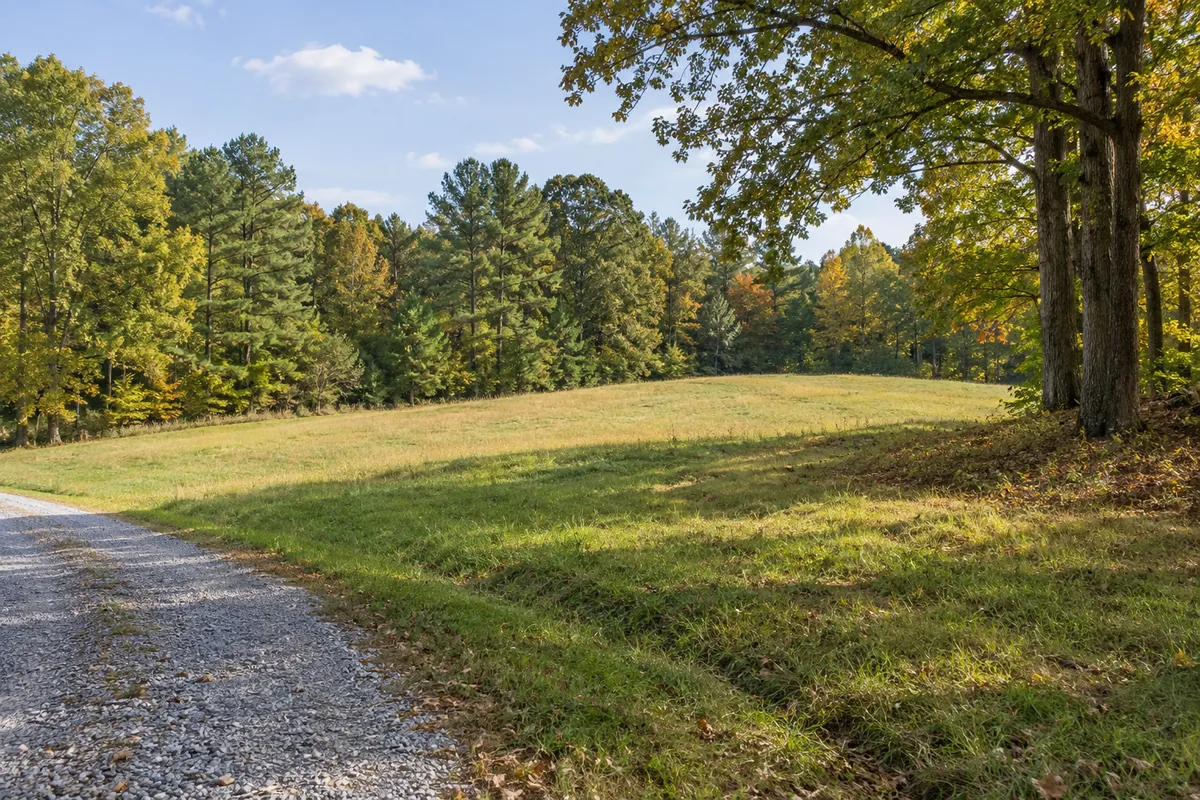
For example: “About 5 acres, mostly woods. Entrance from the gravel road. I have an old survey but do not know about water or sewer.” That is a helpful starting note. You do not need a long sales pitch or a promise that someone can build a home there.
If you are handling inherited land or helping settle a loved one’s estate, ask a closing professional who needs to sign and which papers are needed. If several people own the land, discuss the sale together. Start with what you have rather than trying to solve every question alone.
Ask a local land agent for completed sales of similar land and a likely price range. Have them explain why each sale fits. A small lot and a larger rural tract may appeal to different buyers. Check acres, location, entrance, buildings and sale date.
An asking price in an ad is not a confirmed sale price. The value used for taxes is another kind of number. Keep them separate. Our Wake County land value guide gives more help with finding useful comparisons.
Before paying for a new survey or test, ask what question it will answer. Find out whether it may change the price or help the sale close. You can begin talking with agents and buyers using the papers you already have.
An agent can help with pricing, advertising, calls and offers. Ask about experience selling land, the plan for finding buyers, fees and how long the listing agreement lasts. Tell the agent what matters to you: price, timing or less work.
Selling yourself gives you more of the calls, ads and visits to handle. Choose a price, give clear directions and decide how people may visit. Keep your description honest about what you know. Ask for professional help with the agreement and closing.
A direct buyer may give you an offer without a public listing. Ask what checks remain, which costs you pay and when payment is planned. You can compare that offer with the other routes. If you would like one to consider, tell Reelvest about your land. You decide whether it works for you.
Put the price beside the costs you pay, any loan payoff and taxes. Then look at the deposit, planned closing date and when the buyer can cancel. A higher price is not the whole deal.
Here is a made-up example: an $80,000 offer with $6,000 in costs leaves $74,000 before loans and taxes. A $78,000 offer with $2,000 in costs leaves $76,000. These are not Wake County prices or Reelvest offers. Ask for a written estimate for your own sale.
Use our land offer worksheet to keep the details together. Ask what happens if the buyer needs more time or cannot finish. Have the agreement explained before you sign it.
Closing is the final step when the sale papers are signed and payment is handled. Ask who will manage it, which owners must sign, how the buyer’s checks will be finished and how you will receive the money. Do not assume the first proposed date is a firm promise.
The closing team may ask for papers about ownership, loans or access. Share what you have and ask for a clear list of anything missing. If a buyer wants to use the land in a certain way, be clear about which questions are theirs to check.
Read the final statement showing the price and deductions. Ask about anything that differs from your agreement. After the sale, keep copies of the signed papers and payment record. Our land seller document checklist can help you gather papers along the way.
Yes, you can begin the conversation with a tax bill, location or land ID number. Share what you know. Ask an agent or closing professional to help identify what is missing before the sale is final.
Start with Wake County Tax Administration’s official Real Estate Search link. The county says it includes land and building data, deeds and other property information. Ask the office for help if the record does not match your papers.
No. You can use an agent, sell yourself or compare a direct offer. Reelvest is one option. Choose the route and written terms that fit your needs.
Ask how much money you keep after costs, what the buyer still needs to check, when the buyer can cancel and who will handle closing. Get the terms in writing and have unclear parts explained.
Local source links reviewed October 6, 2026.