
You can start selling without taking a trip to the land first. Gather your tax bill or deed, find the parcel and write down what you know. Then compare ways to sell and ask what help is needed nearby. Before you accept an offer, check its costs, conditions and closing steps.
Tell us about your land. There’s no obligation to accept an offer.
Start with what you know. These steps will help you get ready and choose the way to sell that fits you.
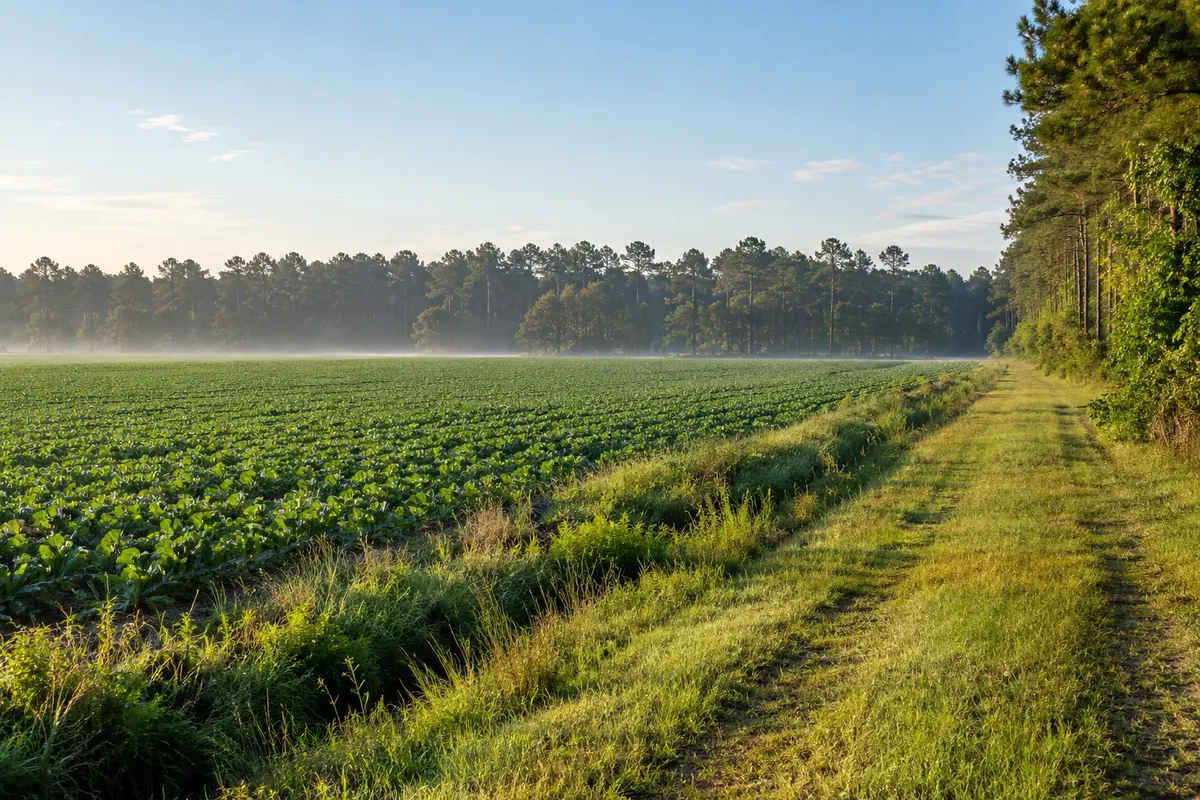
Start with a tax bill, deed, saved map or old sale papers. Write down the parcel number, acres and closest road. A parcel is a piece of land with its own county record. If several pieces will be sold together, list every number.
If the land has no street address, use the parcel number or a map pin. Don’t guess an address. Keep a note of what is certain, what came from an old paper and what you still need to check.
Your folder can include:
You don’t need every item to begin. The land seller document checklist can help you keep track of missing papers.
The Gates County GIS page links to the county’s map service and lists help for map questions. GIS means an online map. Use it to help locate the land and connect the parcel with your papers.
The Gates County Register of Deeds page explains that the office keeps real estate records and recorded survey maps. It links to its online service and gives contact information for finding copies.
Save the land record and deed references you find. If the acres or names do not match your papers, ask the office or the person helping with closing to explain. A map helps locate a parcel; it does not by itself answer every ownership, boundary or access question.
If you’re helping settle a loved one’s estate or several family members share the land, gather the papers you have. Ask who needs to sign before agreeing to a firm closing date. You can discuss selling while that is checked.
You can share records, talk about prices and compare selling options from home. If photos or a visit would help, ask a local land agent or buyer what they need and who will arrange it. Agree on access before anyone goes onto the land.
Old photos may still help, but say when they were taken. If you haven’t been there lately, say that too. Don’t present an old entrance photo as proof of the current condition.
You don’t have to pay for clearing, road work or new tests just to ask about a sale. Get advice about the likely benefit and cost before deciding on work. Keep an idea about future use separate from a checked fact.
A land agent can help with pricing, photos, showings and marketing. Ask what they would handle, what they charge and how they would keep you updated if you live elsewhere.
You can also look for a buyer yourself. Think about who will answer questions, arrange visits and help with the sale agreement. Handling it yourself does not mean you have to guess at unfamiliar papers.
A direct offer is another choice. Ask the buyer what land the price covers and what they still need to check. Reelvest buys land directly from owners; if you want an offer to compare, tell us about your land. You decide whether it fits your plans.
When discussing an asking price, ask an agent for completed sales of similar land. Compare size, access, ground and what was included. An asking price or tax value is not proof of what a buyer paid.
Before you sign, ask:
Made-up example: $60,000 with $5,000 in selling costs leaves $55,000 before loans or unpaid taxes. A $58,000 offer with $2,000 in costs leaves $56,000 on the same basis. The higher price may not mean more money for you.
Use our land offer worksheet to compare price, costs, conditions and dates. Ask the closing team to check any loan or tax balance rather than using an old statement as a final amount.
Ask the person handling closing how papers and signatures will be completed. Explain where you live and ask whether any step needs you in person. Don’t assume everything can be signed from home, or book a trip before you know what is needed.
Ask for a list of open items and who handles each one. Review the parcel details, final costs and expected payment before signing. Ask how the money will reach you and keep copies of the papers.
The timing depends on the records and the conditions in the agreement. Missing papers or signatures may affect it. Ask what still needs to happen rather than relying on a general deadline.
The North Carolina land seller guide covers the wider process. Start with the information you have and choose the next step that works for you.
You can start with papers and the location you know. Say if you have not visited lately. Ask an agent or buyer what photos or local help would be useful before arranging a trip.
Ask the person handling closing how documents and signatures will be completed for your sale. Explain where you live. Do not book travel or assume remote signing until you know the plan.
Use the parcel number, nearby road or a map pin you already have. The county map and your tax bill can help connect the location with the right record.
Ask an agent or buyer about the likely benefit and cost first. You can discuss selling the land as it is before paying for major work.
Local source links reviewed October 6, 2026.