
Start with your parcel number, the papers you have and a short description of the land. Find which office handles land-use questions before making claims to a buyer. Then compare your selling options, review the written offer and get ready for closing.
Tell us about your land. There’s no obligation to accept an offer.
Start with what you know. These steps will help you get ready and choose the way to sell that fits you.
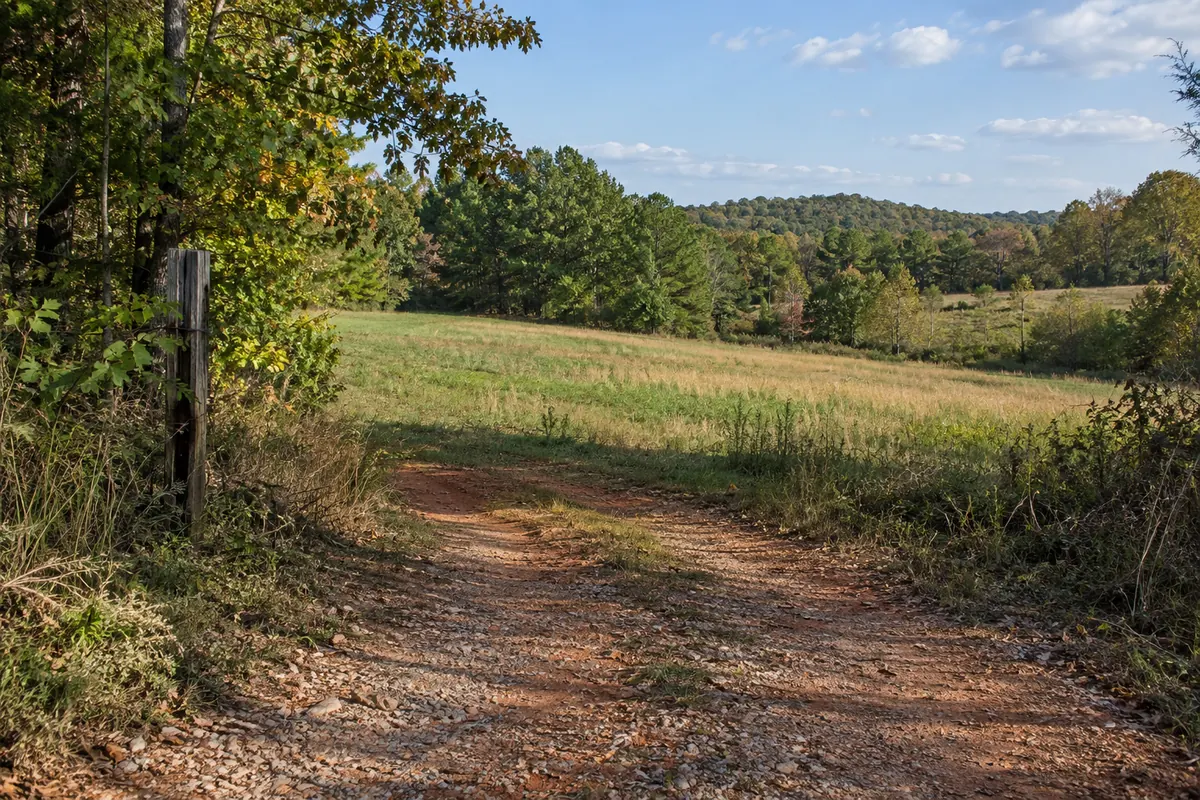
A parcel number is the county’s ID for your land. Look for it on a tax bill. Write down the acres if known, nearest road and the parcels you plan to sell. Empty land may not have a street address.
The Alamance County map page links to its land maps and property-tax records. The map can help you point out the land to an agent or buyer. The county says the map website is not a legal document.
The county currently notes that some map tools may be unavailable during updates. If a tool won’t work, use the map home page for its current links or ask the county for help. Don’t make up missing information.
Compare what you find with your deed and any survey. Save questions about a missing parcel, different acreage or an unclear boundary. A map outline does not settle a dispute about a property line.
A deed records a transfer of ownership. A survey shows measured land lines. A recorded survey map is often called a plat. Keep copies you already have, along with tax bills and any written access agreement.
The Alamance County Register of Deeds links to real estate records. Use that route to look for recorded papers. Keep the book and page or other record reference when you find a document.
The Register is a recording office. For questions about what a deed means or who has the right to sign, ask your attorney or the person handling closing. Finding a record online does not prove that every ownership issue is settled.
If you don’t have all the papers, start with what you know. Ask the closing team for a list of what is needed before the sale can finish.
Before calling land ready for a home or a new use, find which office handles that parcel. A mailing address alone may not answer that question.
The Alamance County Planning FAQ directs owners to the county map to check which area’s rules apply. It says you can search by address, parcel number or owner name, and ask Planning for help.
Have the parcel number ready and ask: “Which office handles land-use questions for this land?” Then describe the buyer’s plan. Ask what has already been approved, what still needs review and where to find the written record.
If the buyer wants to split the land, say how many pieces they have in mind. Keep any old plan separate from a current approval. Don’t promise that a new home or split is allowed until the relevant office has checked the actual land and plan.
The county Planning FAQ says Alamance County does not provide public water or sewer. It directs owners to local towns and cities for information about those services. That does not mean every parcel can connect.
If a buyer asks about water or sewer, check with the provider for that location. Ask about an existing connection, what a new one would require and which costs still need an estimate. Keep any answer or service paper with your sale notes.
For land with a well or septic system, gather any records you have. For land without them, ask which office would review the buyer’s plan. Don’t assume a neighbor’s system proves yours will be approved.
Also note how you reach the land. Is there a drive from a road or a written right to cross another parcel? Share any agreement you have. The ability to walk or drive onto land is a different question from whether you have the right to use that route.
Ask a local land agent about recent completed sales of land like yours. Compare size, access, usable ground and services. A listing price shows what a seller wants; it does not show what a buyer paid.
You can list with an agent, sell yourself or compare a direct offer. Ask what work you would handle, what help you would get and which costs you would pay. Think about your timing and how much work you want to do.
For price research, see our Alamance County land value page. Check the date and source of any figures you use. Keep a tax value separate from a current offer.
If you’d like a direct offer from Reelvest, tell us about your land. You can compare it with other choices. You don’t have to accept it.
Get the price and terms in writing. Check every parcel included, the deposit, buyer checks, target closing date and who pays each cost. Ask what lets the buyer cancel and what happens to the deposit.
Compare the money you keep. In a made-up example, $90,000 minus $7,000 in seller costs leaves $83,000. $87,000 minus $3,000 leaves $84,000. Both are before loans, taxes or other debts. These are teaching figures, not Alamance County prices or fees. Our offer comparison worksheet can help.
Ask the person handling closing which papers and signatures they need. Share any loan or unpaid-tax notice. If you inherited the land, bring the estate papers you have when you feel ready. Ask who can sign and whether any steps remain.
Before signing the final papers, ask for the cost breakdown and confirm how you will be paid. Keep copies for your records. See the land seller document checklist and our North Carolina land seller guide for more help.
Start with the parcel number, nearest road, acres if known and the names on your deed. A tax bill, deed or survey helps. You can begin asking questions before every paper is in hand.
Start with the Register of Deeds link above for recorded land papers. A survey map may be called a plat. Keep the record reference, and ask the office for help if you can’t find it.
Use the county map as a starting point and ask Planning to confirm the office for your parcel. Give the parcel number and describe the buyer’s plan. A mailing address alone may not tell you which rules apply.
The county Planning FAQ says the county does not provide public water or sewer. Ask the local provider about your parcel. A line nearby does not mean a connection is ready or approved.
The map home page currently notes system updates that may affect some tools. Use its current links or ask the county for help. Keep your tax bill and parcel number ready.
Yes. Compare listing with an agent, selling yourself and a direct offer. Look at the price, seller costs, work you handle and written terms. Choose the route that fits your goals.
Local source links reviewed October 6, 2026.