
Selling your Tioga County land starts with a few details: where it is, which pieces you’re selling and who owns them. Then compare prices, choose how to find a buyer and review the offer. You can begin with the papers you have and find the missing ones along the way.
Tell us about your land. There’s no obligation to accept an offer.
Start with what you know. These steps will help you get ready and choose the way to sell that fits you.
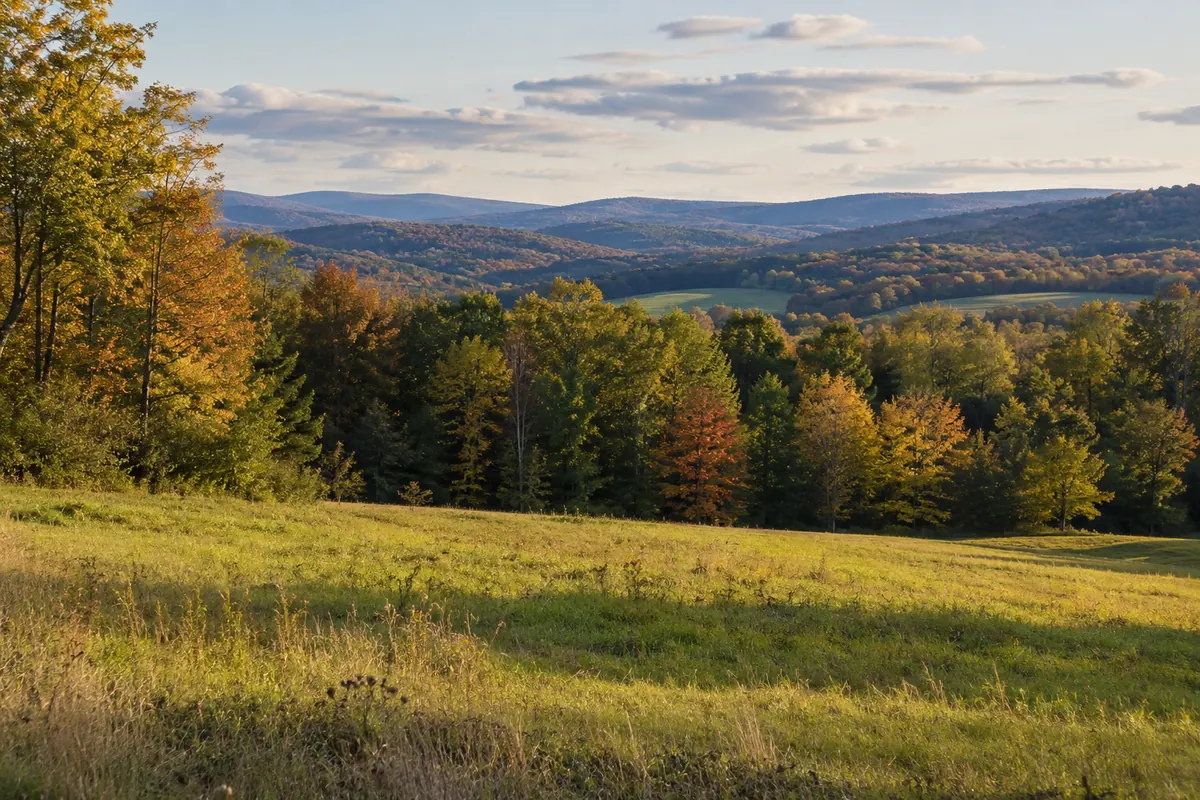
Find a recent tax bill, your deed and any old map or survey. Note the town, property number and acres. If you own several pieces, write down which ones you want to sell. A road name or map pin can help if the land has no address.
Tioga County’s Real Property and Assessment Rolls page links to a property data viewer and town assessment records. Use those to help locate the land and check the details. A tax value isn’t a promise of the price a buyer will pay.
The Tioga County Clerk handles recorded deeds and survey maps. Its page explains the online record search, which requires an account and a fee to access and download documents. If you just need a missing paper, ask the office about a copy and what information would help find it.
Describe the fields, woods, slopes and entrance. Tell buyers whether you reach the land from a public road or cross another owner’s property. Share any written right to use a shared lane.
If a farmer, hunter or another person uses the land, explain what you know about that use. Share any lease or agreement. Tell buyers about a well, water service or other features you know about, but don’t guess about a buyer’s connection costs.
Photos of the entrance and a few parts of the land can help. You don’t need to pay to clear trees or solve every building question before asking about selling. Be clear about what you know and what still needs checking.
Ask a local land agent for recent closed sales of similar land. Compare the acres, terrain, entrance and use. A small lot near homes isn’t always a useful price match for a large hillside tract. Keep asking prices separate from sales that have finished.
Choose the path that fits your time and how much work you want to take on. Asking for an offer doesn’t mean you have to accept it.
Check that the written offer includes the right pieces of land. Read the price, any deposit, the buyer’s time to inspect and the proposed closing date. Ask what lets the buyer cancel or ask to change the deal.
Find out who pays each cost. Ask for an estimate of the money you keep after seller costs, unpaid taxes or a loan balance. As a made-up example, a $40,000 offer minus $2,500 in seller costs leaves $37,500 before other debts. That’s a way to compare terms, not a price estimate for your land.
Our land offer worksheet helps you keep the terms together. Have unclear terms explained before you sign.
Closing is when the sale is finished, the deed is signed and the money is paid. Ask who will handle it, what they need from you and how you’ll receive the money. Share details about other owners, a loan or records you’re still trying to find.
If you’re handling inherited land or helping settle a loved one’s estate, bring the deed and estate papers you already have. A closing professional or attorney can help work out who needs to sign and which papers are needed. You don’t have to sort everything out alone.
Use our land seller document checklist to gather the basics. The New York seller guide covers more questions. If you want a direct offer to compare, tell Reelvest about your land.
Yes. Start with a tax bill, the location and acres if you know them. An agent, buyer or closing professional can help identify what else is needed.
Contact the County Clerk about a copy. The clerk’s page also explains the online record search and its account and fee requirements.
Write down which pieces you want included. Use the property numbers, maps and deeds you have. Check that the written offer covers the same land before signing.
You can start with the land as it is. Share photos and what you know. Ask whether clearing would help the sale before spending money.
Local source links reviewed October 4, 2026.