
Start with the location and land papers you have. Then compare recent sales, choose how to find a buyer and read the costs and terms before signing. If you own a wooded lot or several pieces of land, a short list of what’s included can save confusion later.
Tell us about your land. There’s no obligation to accept an offer.
Start with what you know. These steps will help you get ready and choose the way to sell that fits you.
Find a recent tax bill, deed or map pin. A deed is the paper that records a transfer of land. Write down the land ID, acres if known and closest road. Don’t borrow the address of a house next door for an empty lot.
If several pieces of land are part of the sale, list each one. Say which buildings or other items you want to include. Keep an old survey if you have it. A survey is a measured drawing of the land.
Next, think about your plans. Would you rather handle visits and buyer calls, or have someone help? Do you have time to list the land, or would a simpler offer suit you? You can explore those choices while missing papers are being found.
The Schenectady County Clerk handles land recording and links to online records. Its Recording Office is at 620 State Street, third floor, in Schenectady. The DMV has a different address, so check the office before making a trip.
Call 518-388-4220 to ask how to find the recorded land paper you need. Keep an owner’s name, an old recorded reference or land details handy. Ask which copy would help and what it costs.
Put the copy with your tax bill and other land papers. If the names or land details differ, save that question for your closing team. Our seller document checklist can help you sort what is ready and what is missing.
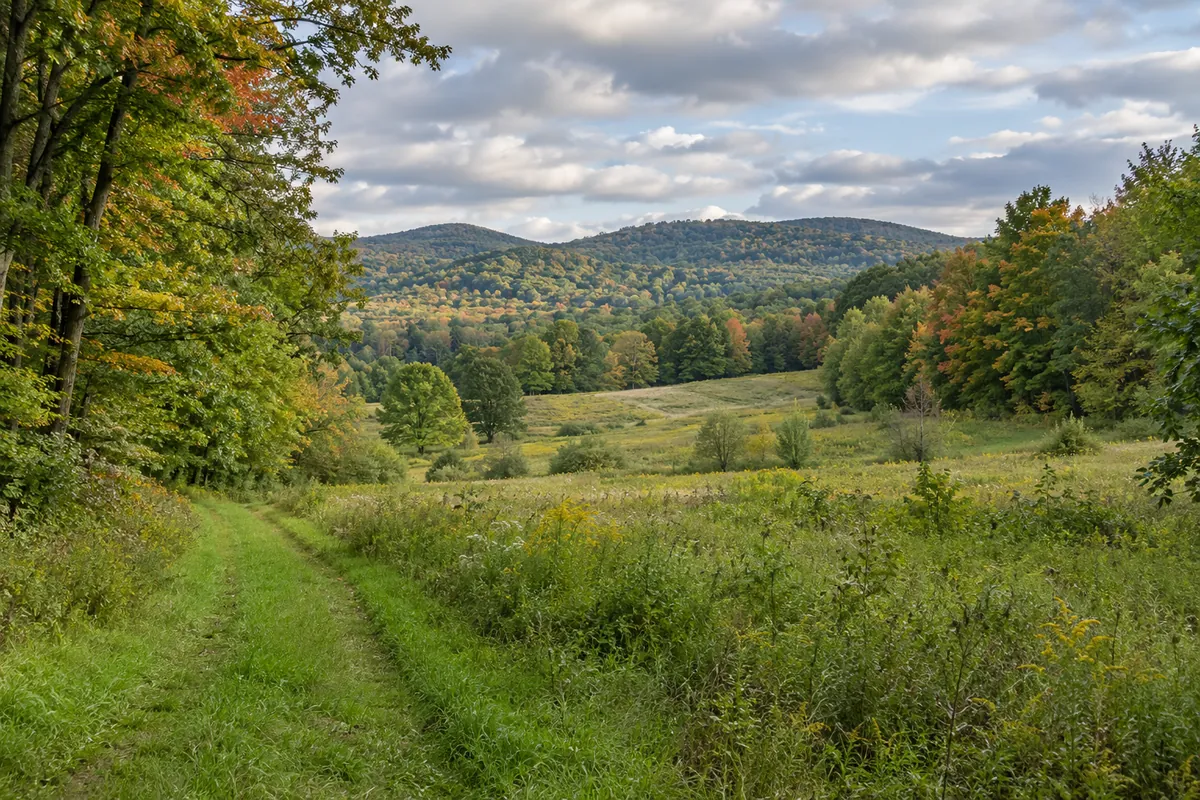
Take a clear photo of the entrance and different parts of the land. Show where the open ground and trees are. If a lot has no obvious entrance, explain how you currently reach it and share any written access agreement.
Don’t assume a fence marks the full boundary or that a map proves a right to cross a neighbor’s land. Keep known facts and questions separate. You don’t need to clear all the trees or create a driveway just to start asking about a sale.
Tell buyers whether services are connected or only nearby. If you have old approvals or service papers, share them. Don’t promise that a new home plan is approved based on a nearby house.
If you’re helping settle a loved one’s estate or share the land with others, keep those papers too. Ask the closing team who needs to sign before choosing a firm sale date.
Ask a local land agent for a few recent completed sales close to your tract in size, location and likely use. A small lot near houses may attract a different buyer from a larger wooded slope.
Check what the buyer got: land only, a house, another building or several lots together. Keep asking prices and tax values separate from completed sale prices. Ask why the suggested price fits your land.
If you cannot find close matches, say that the price evidence is limited. Discuss a starting range with your agent rather than treating an old county average as a precise answer.
Compare the work and the money you expect to keep. A higher price can come with more time or costs. A simple offer may fit your needs, but you’re free to compare it with listing the land.
Reelvest is one direct-sale option. If you want an offer to compare, tell us about your land. You decide whether it works for you.
Check that the agreement covers the right land and says which rights and items are included. Ask who pays closing costs, what can be taken out of your payment and when you would be paid.
Here’s a made-up example: a $45,000 offer minus $3,000 in seller costs leaves $42,000 before any loan or unpaid tax balance. These are teaching numbers, not local prices. Use the land offer worksheet to compare your real offers.
Ask when the buyer can cancel, what checks remain and what happens to a deposit. If a term feels unclear, ask for a plain explanation before signing. Keep a copy of the agreement.
Ask who will handle closing and which papers and signatures they need. The closing team checks ownership and prepares the sale papers. Give them any known loan, tax balance, estate papers or lease early so they can explain the next step.
Before signing, read the final breakdown of the money you receive. Check how payment will reach you and keep the signed papers. If payment instructions change unexpectedly, call a known number to check them.
For more help, see our New York land seller guide and land sale agreement guide.
Start with the Schenectady County Clerk’s Recording Office, not the DMV. Have an owner’s name, land details or an old recorded reference handy. Ask which copy you need and how to request it.
Yes, you can begin with clear photos and the details you know. Explain the entrance, trees and open space. Ask buyers what they need before paying for work.
List them clearly and ask the closing team to check the land description. The agreement should say which land and items are included.
Yes. Compare the likely price, costs, work and timing of each route. A direct offer is one option, and you can choose what fits you.
Local source links reviewed October 6, 2026.