
Start with a tax bill or land ID and a few notes about the property. Then choose how to find a buyer, compare written offers and work with the closing team to finish the sale. You don’t need every answer before you start.
Tell us about your land. There’s no obligation to accept an offer.
Start with what you know. These steps will help you get ready and choose the way to sell that fits you.
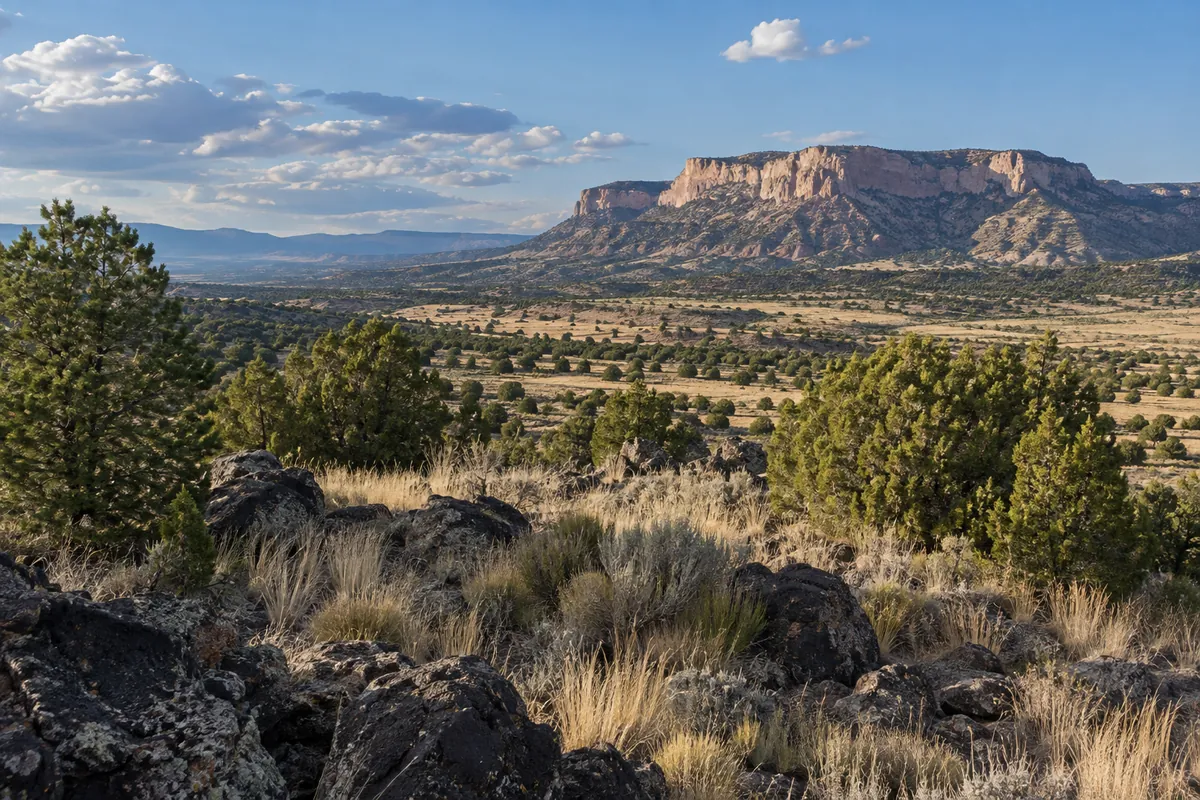
Write down Cibola County, the land ID, rough acres and any location clues. Keep a tax bill, deed, survey or old sale papers you already have. If there are several parcels, make a separate line for each one.
No street address? Don’t make one up. A land ID or deed can help find the property. Our no-address guide explains how to start with the papers you have.
Add your goal: do you want to sell soon, compare prices or avoid handling calls and visits? Knowing that helps you choose the route that fits you.
The Cibola County Assessor site links to mapping and ownership data. Use that as a starting point for finding the land record. The assessor values property for taxes; that number is not a promise of what a buyer will pay.
For a deed or recorded mortgage, start with the Cibola County Clerk. The clerk keeps those records but says it cannot give legal advice or write your sale papers.
Keep the land record and deed together. If names, acres or IDs don’t match, ask for help before using one record as proof of everything. The closing team can explain which papers it needs.
Use our seller document checklist to mark what you have and what is missing. You don’t have to order every possible report just to ask about selling.
How do you get to it? Note the route you use, gates and any written road agreement. A path you can see on a map does not settle who has the right to use it. If access is unclear, say so and keep any related papers.
What is already there? List known wells, water connections, power, fences or buildings. Keep any papers you have. A nearby power line or a well on another property doesn’t prove your land has service.
Also note anyone who rents or uses the land and any written agreement. Tell buyers what you know without promising what they can build or change. If a buyer needs a specific use, ask which facts still need checking.
Photos can help show the condition, entrance and known features. If you haven’t visited recently, say when the photos were taken rather than treating them as current.
You have more than one option. Compare the work, timing and costs of each.
To check a price, look for similar completed land sales. Check what was included and how buyers reached the property. Asking prices and tax values are only part of the picture.
Make sure it covers the right parcel or parcels. Check the price, costs assigned to you, closing date and what the buyer can check before deciding to go ahead.
Ask when the buyer can cancel, what happens to the deposit and who will handle closing. An attorney can explain terms you don’t understand before you sign.
Compare the money you would receive after known costs, loans and taxes. Keep unknown charges marked as unknown, not zero. Our offer worksheet gives you a place to put each figure.
The title company or attorney handling closing checks ownership records and prepares the sale papers. Ask who needs to sign and what questions remain open.
If you share the land or are helping settle a loved one’s estate, gather the papers you have and ask who can sign. You don’t need to share private family details in the website form.
If there is a loan or unpaid tax bill, ask how the current amounts will be checked and paid. Before the sale finishes, review the price, charges and money you will receive. Ask when and how payment will be sent, and keep copies of the signed papers.
You can talk with an agent or buyer once you have the county and a location clue. Explain your goal and where you need help. Missing papers can become a question to work through.
Want Reelvest to review a direct offer? Tell us about your land. We’ll review the details and discuss whether we can make an offer. You decide whether it works for you.
For another location, see our New Mexico seller guide.
Yes. Start with the county, a tax bill, land ID or deed. A location clue can help too. Say what is missing instead of making up an address.
No. Gather what you have and mark what you don’t know. Some questions need to be settled before closing, but you can discuss selling before every paper is ready.
The Cibola County Clerk says it records documents but cannot give legal advice or write them. Ask the attorney or closing team handling the sale for that help.
No. You can list with an agent, find a buyer yourself or compare a direct offer. Asking for an offer does not mean you have accepted it.
Local source links reviewed October 5, 2026.