
Start with the location and papers you already have. Then choose how to find a buyer, set a price and compare offers. These steps can help you sell through an agent, sell yourself or compare a direct offer.
Tell us about your land. There’s no obligation to accept an offer.
Start with what you know. These steps will help you get ready and choose the way to sell that fits you.
Find a recent tax bill, an old deed or a saved map. Write down the parcel number and about how many acres you own. A parcel is a piece of land with its own county record. Keep each number if several pieces will be sold together.
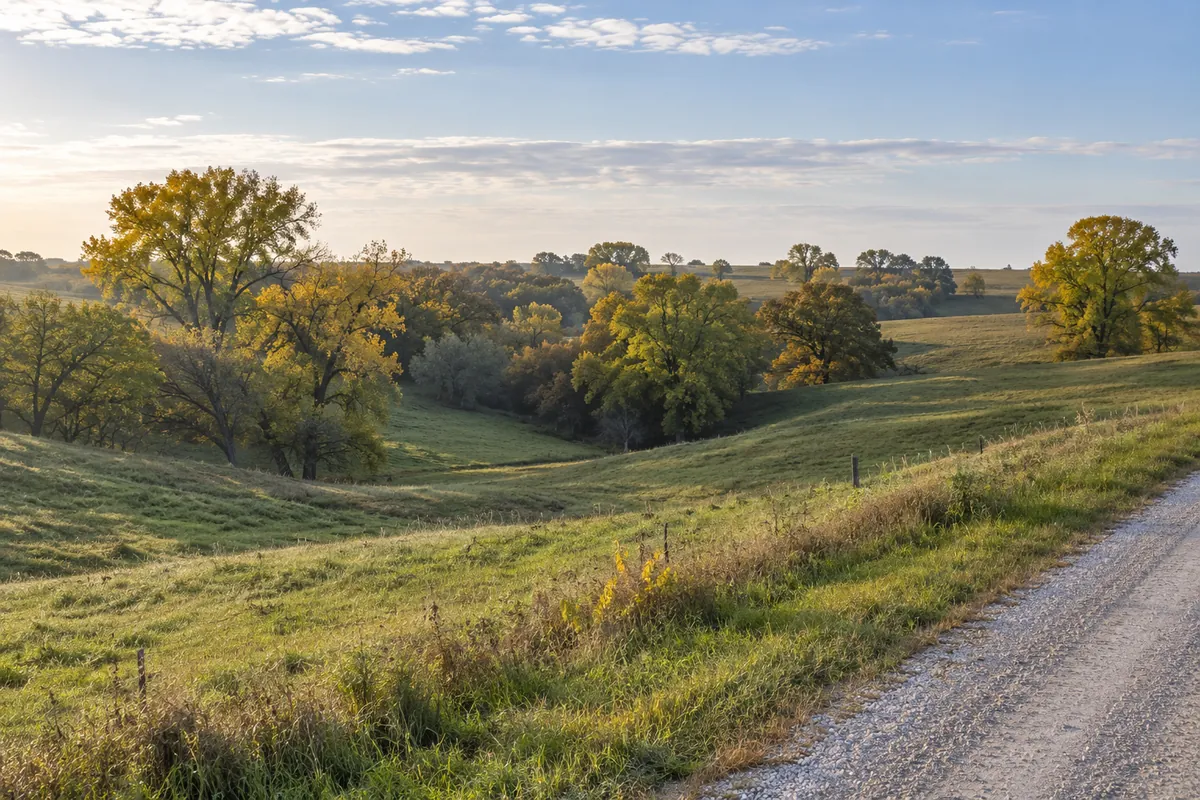
Make a short note about the road and how you reach the land. Include whether it is open, wooded or sloped, plus any buildings that come with the sale. Mention a shared driveway or a route across someone else’s land.
A few photos can help an agent understand the entrance and the ground. If your land has both open and wooded areas, show both. Keep surveys, well papers and past test results you already have; don’t order new work just to start a price conversation.
If you’re helping settle a loved one’s estate, keep the land and estate papers you have. Ask the person helping with closing who can sign and what else is needed. You can ask about selling while those details are checked.
If the land sits near homes, give buyers a clear map showing the entrance and what is included. Do not assume a road frontage photo explains how to enter. Note a shared driveway or an entrance across another parcel.
Sarpy County has a property search and separate searches for recorded land papers. They answer different questions:
If one search does not find an old deed, ask which historical route fits its date. Keep any book and page number from your papers. Those numbers tell the office where a document was filed. A title company can help check that you have the right record for the sale.
For parcel or tax-value questions, Nebraska’s county assessor directory lists the Sarpy Assessor at 402-593-2122. It lists the Treasurer at 402-593-2138 for tax matters. Ask the person handling closing to confirm current amounts owed.
A parcel number is the county’s number for a piece of land. Save each number if you’re selling several pieces together. The deed’s written land description and the parcel map should be checked together, rather than relying on a street address alone.
You don’t need to learn every search tool before asking about selling. Share what you have and ask which missing paper matters next. Read any search or copy fees before ordering records.
You have a few choices. Think about how much work you want to handle and how soon you hope to sell.
You don’t have to pick the first option you hear about. Ask questions and get the important details in writing. A direct buyer’s offer and a price you might get by waiting for another buyer can be different.
Start with recent completed sales of similar land. Ask a land agent which nearby sales are useful matches and why. Compare the location, size, road access, ground and what the sale included.
A small lot among homes may be a poor match for a larger pasture or wooded tract. Compare the setting and road access as well as acres. If a nearby sale includes a home or several parcels, ask what the full price covered.
Active listings show what sellers hope to get. Tax values serve a different purpose. Neither is proof of what a buyer will pay for your land today.
If there are few close sales, ask how that affects the price range. Before paying for clearing, a new survey or other work, ask whether it’s likely to help the sale. You can ask about a price before ordering new work.
For more help with comparisons, see our guide to choosing a land price.
Clear information can save a lot of back-and-forth. Share a map, a few recent photos and a plain description. Say how visitors can reach the land and whether they need permission to use a shared road or driveway.
Mention any lease, shared ownership, loan or unpaid taxes you know about. Keep copies of useful papers. You don’t need to post personal estate papers or loan details in a public ad; share them with the person helping check the sale when needed.
Don’t promise that a buyer can build or split the land if you haven’t checked that. If you have an old approval or test result, share the document and its date. Let the buyer ask about their plans.
If you’re unsure about a detail, “I don’t know yet” is a useful answer. It gives the agent, buyer or closing team a clear question to check.
Ask for a written offer that identifies the right parcel or parcels. Check the price, seller costs, deposit, planned closing date and any conditions that let the buyer cancel.
A higher price doesn’t always leave you more money. Here’s a made-up example: a $120,000 offer with $10,000 in seller costs leaves $110,000 before other amounts owed. A $114,000 offer with $4,000 in seller costs also leaves $110,000.
Include loan balances and unpaid taxes when estimating your payment. Ask the closing team to check the amounts rather than assuming the offer covers them.
Also ask what work you’re expected to do before closing. A request to clear land or pay for a new survey can change the deal. If a term is unclear, ask someone to explain it before you sign.
Our land offer comparison worksheet can help you put the offers side by side.
Closing is the step where the sale papers are signed and payment is handled. Ask who will manage it, who needs to sign and how your payment will reach you.
The closing team checks ownership records and prepares the needed papers. If you share the land or are handling an estate, ask which signatures and documents are still needed before treating a date as final.
Review the written cost breakdown before signing. Check that the property details and price match your agreement. Ask about any difference you see.
Keep a copy of the signed agreement and closing papers. Missing records or unresolved questions can affect timing, so ask for a target date and the steps still left to finish.
The land seller document checklist can help you keep the basics together.
Tell us where your land is and what you know about it. A property ID, map or tax bill can help us find the right place. Start with what you have.
We’ll review the details and let you know if we can make an offer. You can ask questions and compare it with selling through an agent or finding a buyer yourself. You decide whether it works for you.
Tell us about your land, or read the Nebraska land seller guide for more general selling help.
Start with a tax bill, deed or parcel number, the road and about how many acres you want to sell. Keep photos, surveys and other papers you already have. You can ask questions before finding every document.
Use the Property Search link on the county homepage. The county says it includes property value and real estate taxes due. Check the owner, location and parcel number against your papers.
No. The county lists the Assessor Property Search separately from the Register of Deeds Search. Property details can help locate the land; recorded deeds help check its ownership history.
The Register of Deeds links page has a historical search and a separate name index for 1857 to1990. An index helps locate a document; it is not the deed itself. Ask the office which route fits the record you need.
Keep the land and estate papers you have. Ask the person helping with the sale who can sign and which documents are needed. You can begin asking about selling while those questions are checked.
No. These steps can help you use an agent, sell yourself or compare a direct offer. Choose the way that fits you.
Local source links reviewed October 5, 2026.