
To sell your Saline County land, start with the papers and photos you have. Set a price using similar land that has sold, then choose how to find buyers. These steps help you get ready, find missing records, compare offers and understand closing.
Tell us about your land. There’s no obligation to accept an offer.
Start with what you know. These steps will help you get ready and choose the way to sell that fits you.
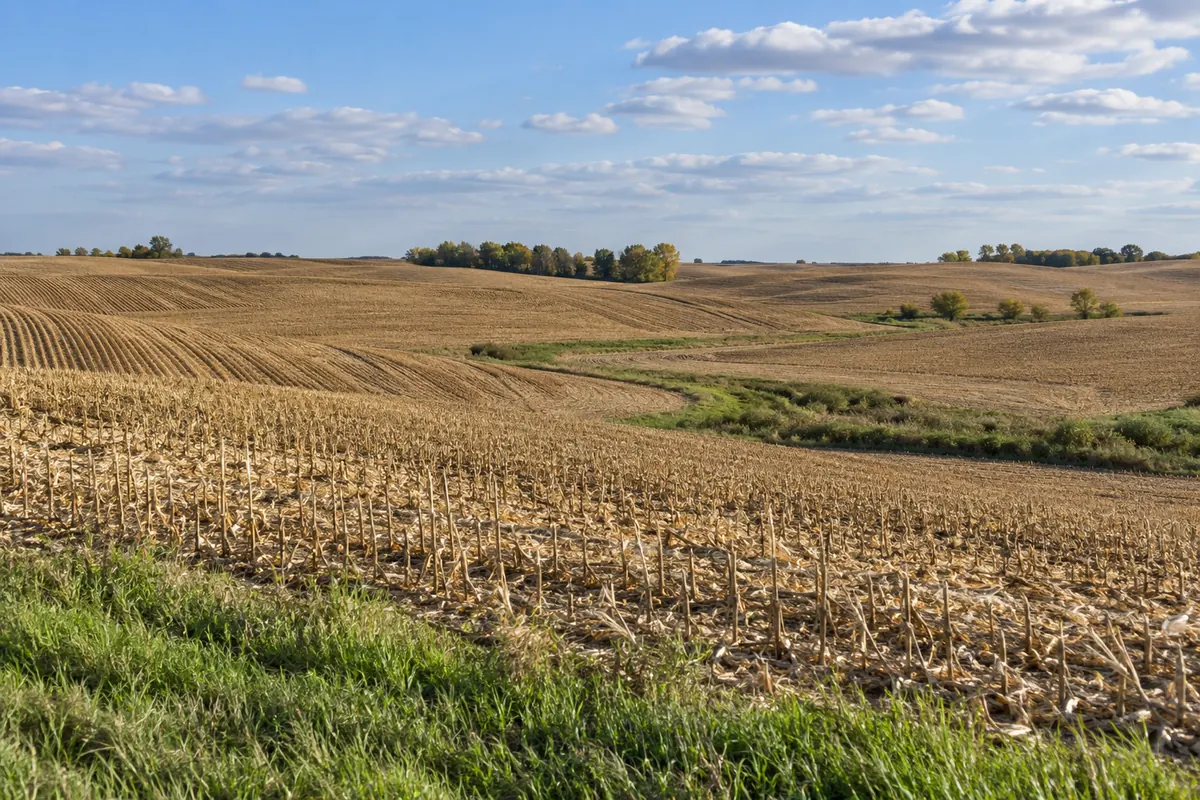
Start with the nearest road, a map pin and the acres if known. Add your latest tax bill, a deed copy, photos and any survey you already have. You can begin a sale conversation without every paper.
A parcel number is the number the county uses to identify a piece of land. Keep each number beside the right deed and tax bill. If you own adjoining pieces, list which ones you want to sell together.
Write down any house, barn, well, fence or other items included. For rented or farm ground, keep any lease and note who is using the land. Share questions about crops, equipment or access before agreeing to a sale.
If you’re helping settle a loved one’s estate, gather the records you have. Ask the closing team or an attorney which papers and signatures are still needed. You don’t have to sort out every ownership question alone.
Before paying for clearing or a new survey, ask what question that work would answer. Start with existing records and clear photos.
The Saline County Assessor keeps parcel maps and values property for taxes. Its website has the county’s Property Search link. Call 402-821-2588 if you need help finding the right property record.
Use the parcel number from a tax bill when you have it. Check the location, acres and buildings against your papers. An owner’s mailing address can be different from where the land sits.
A value used for taxes is not a buyer’s offer. Keep its year and what it covers beside the number. A record with a house won’t tell you the value of bare ground alone.
The county’s deed FAQ says a property-map listing may leave out owner names because of space limits. Ask the closing team to check ownership rather than assuming the map names are everyone who needs to sign.
If a detail doesn’t match your records, save the question. You can ask for help before relying on the number in a listing or sale agreement.
A deed is the paper used to transfer land ownership. Look for a copy with your purchase or family papers. Save its book and page or document number.
The Saline County Register of Deeds keeps recorded land papers and explains copy options. Call 402-821-2374 with the owner name and any recording details you have. Ask which copy you need and its cost before ordering.
The county’s deeds-online page is a starting point for online records. It notes that online information may lag behind the office records. If you can’t find an older paper or need a record for closing, ask the office or your closing team for help.
The deed FAQ explains that a shortened land description on a tax statement or property-map site is not the full description needed in a recorded document. Bring the deed to the closing team. Don’t copy a shortened description into new sale papers yourself.
Finding a deed doesn’t prove that every debt or ownership question is cleared. The FAQ says the office can’t confirm clear title. A title search is a check of ownership and recorded claims. Ask who will handle it for your sale.
If a drive crosses another owner’s land, share any written access paper. Keep a survey or lease with the other records so questions can be checked early.
The Saline County Treasurer bills and collects property taxes. Its page links to Real Estate Taxes and tax FAQs. Call 402-821-2375 for help with a bill or balance.
Have the parcel number and tax year ready. Ask for the current amount, whether recent payments are shown and whether other years still need checking. An old bill may not show what is owed today.
Keep payment receipts in your folder. If a bill is missing, ask for a copy rather than assuming nothing is due. Bring any notice with a deadline to the office’s attention promptly.
Ask the closing team how taxes, a loan and other balances will be paid from the sale. Have them estimate the money you keep. Also ask about current transfer and recording costs instead of relying on an old fee list.
Take photos that show the entrance, open ground, trees, field edges and buildings. For a small lot, show the road and nearby setting. You don’t need to make the land look different from what it is.
If you’re selling farm ground, have a clear answer about the current crop or tenant. If you don’t know, keep that question on your list for the closing team. Don’t promise that the buyer can take over right away without checking the agreement.
Tell buyers how they can view the land and who can give permission. You can discuss a sale without designing a buyer’s house, driveway or future project.
Ask a local land agent for similar completed sales. Compare the setting, acres, entrance, services, ground and any buildings. A town lot with services may be a poor match for a larger field or wooded piece.
Write down the parcel number, deed or sale record, closing date and price for each useful example. Keep asking prices separate. They show what owners hope to get, not what buyers have paid.
Check every lot and building included in the price. Count one deal once. Don’t give each lot in a bundled sale the full price and count them as separate deals.
Two pieces of the same size can offer very different entrances or usable ground. Ask which differences matter most rather than multiplying your acres by a county average.
If good matches are hard to find, ask a land agent or appraiser to help choose a range. Explain the price with facts you can show and say which questions still need checking.
List with an agent: A land agent can help set a price, market the land and work with buyers. Ask about the work they’ll do, the agreement length and fees before signing.
Sell it yourself: You handle the listing, calls and buyer questions. Have a clear way to show the land and compare written offers. Ask who will handle the sale papers and closing.
Ask a direct buyer: This gives you an offer to compare with the other choices. Check the price, costs and any checks the buyer needs before closing.
If you’d like to compare a direct offer, tell Reelvest about your land. We’ll review what you share and let you know if we can make an offer. You decide whether the terms fit your plans.
Put each written offer side by side. Check the lots included, price, deposit, costs, target closing date and any reason the buyer can cancel.
Ask for an estimate of the money you keep after costs, unpaid taxes and loan balances. For a simple example, a $35,000 offer minus $1,500 in seller costs leaves $33,500 before any debt. Those figures are just math, not a price estimate for your land.
If one buyer pays a cost and another leaves it to you, compare the final amounts. Ask what still needs to be checked and when the buyer expects to be ready.
Our land offer comparison worksheet can help you keep the details together. If a term is unclear, ask for an explanation before signing.
The closing team checks records, explains which owners need to sign and prepares the papers. Give them the deed, tax bill, loan statement and other records you’ve gathered. Ask for a short list of anything still missing.
Have current balances checked. An old bill may not show what is owed now. Ask how taxes, a loan or other amounts will be paid from the sale.
Before signing, check the parcel numbers, land included, price, costs and payment details. Save the signed agreement and closing papers.
Use our land seller document checklist to gather the basics. For wider questions, see the Nebraska land seller guide.
Yes. Start with the location, tax bill, photos and any deed or survey you have. Keep a list of missing records and ask the closing team which ones it needs.
Call the Saline County Assessor at 402-821-2588. Have the parcel number from a tax bill or the land’s location ready so you can ask about the right property.
Call the Register of Deeds at 402-821-2374. Have the owner name and any document number or book/page details ready. Ask what kind of copy you need and its cost.
Bring your deed to the closing team. The county’s deed FAQ says a shortened tax or map description is not the full description needed in a recorded document.
Call the Saline County Treasurer at 402-821-2375 with the parcel number and tax year. Ask for the current amount and whether recent payments are shown.
No. Compare an agent, selling it yourself and a direct offer. Check the written terms, costs, conditions and money you keep. You decide which route works for you.
Local source links reviewed October 4, 2026.