
To sell your Teton County land, gather its location and the papers you have, choose a price, and decide how to find buyers. Start with a tax bill, deed and clear photos. You can get help with missing records as you go.
Tell us about your land. There’s no obligation to accept an offer.
Start with what you know. These steps will help you get ready and choose the way to sell that fits you.
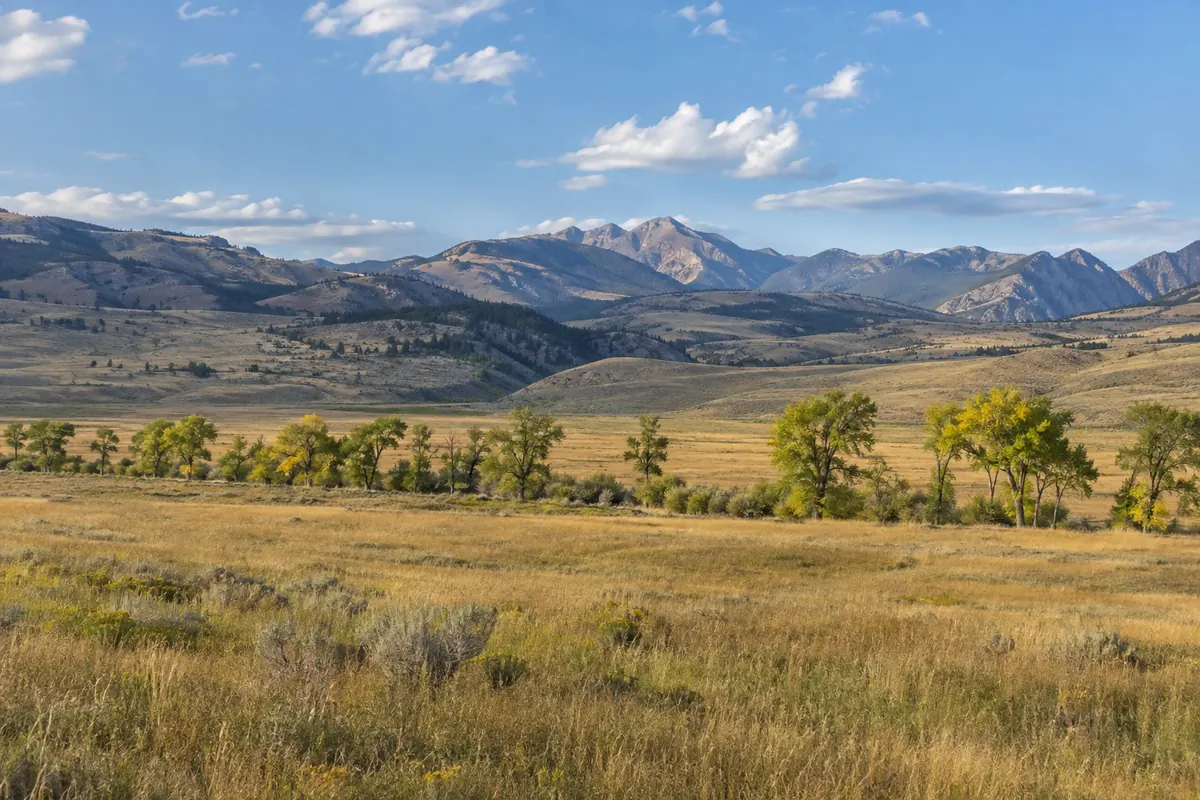
Put your tax bill, deed and any survey you already have in one folder. Add photos, the nearest road, acres if known, and a map pin. For land without an address, a map pin and the property number are a useful start.
Write down which lots or parcels you want to sell. If you own adjoining pieces, don’t assume one bill or deed covers them all. Keep each record with the right piece of land.
Add any loan statement, farm lease or shared-drive paper. Write down the owners you know about and any questions about who needs to sign.
If you’re handling inherited land or helping settle a loved one’s estate, start with the papers you have. A closing team or attorney can explain what is missing. You don’t have to work it all out alone.
Before clearing land or buying a new survey, ask what question that work would answer. You can begin with the records and photos you already have.
Keep the property number from your tax bill beside a map pin and the nearest road. If more than one parcel goes with the sale, list each one. A parcel is a piece of land listed in property records.
The Montana State Library’s property-map guide links to the state’s land-record map. The guide calls it a basic research tool for public and private land. Use it to help find the land, then keep your deed and any survey with the record.
The county’s Property Tax Department guide says the state Department of Revenue maintains the tax roll. If your mailing address needs changing, it lists the local Revenue office at 406-466-2908. Ask which property records need updating if you own several pieces.
Keep your mailing address separate from the land’s location. A map pin and nearest road help explain a tract without a street number.
If a boundary is unclear, write down the question rather than treating a map line as a final answer. Ask the closing team what needs checking. You don’t have to buy a new survey just to start talking about selling.
The Teton County Clerk & Recorder keeps deeds, other recorded land papers, plats and surveys. A plat is a recorded map. The county’s staff directory lists the office at 406-466-2693.
The Clerk’s page links to iDoc for online records. It says not all records are online yet. If you don’t find your deed there, ask the office to help locate it. An empty online result doesn’t mean there is no deed.
Have the owner’s name, any document number or book and page, and the land description ready. The legal description is the written description in the deed. It is different from a street address. If you don’t have those details, say what you do have.
Before ordering a copy, ask what it costs and how you can receive it. Check with your closing team whether an ordinary copy is enough. A certified copy is one the office certifies as a copy of its record. The Clerk’s page says certified copies can’t be faxed or emailed.
The directory lists the Clerk & Recorder separately from the Clerk of District Court. Start with the Clerk & Recorder for deed-copy help.
A copy helps you get ready. Ask your closing team or attorney who will check ownership, loans and other papers before the sale. Finding the deed alone doesn’t finish those checks.
The Teton County Treasurer mails property tax statements and collects taxes. Call 406-466-2694 if you need a bill or help with a current balance.
The county’s Property Tax Department page links to View Your Property Taxes. It also explains how to request a duplicate statement from the Treasurer. If your bill hasn’t arrived, ask for a copy rather than waiting to gather your sale papers.
Keep a statement for each property you plan to sell. Ask which years the balance covers and what is owed now. The county says to contact the tax department for the correct amount if taxes are overdue.
An old receipt may not show the amount needed at closing. Ask the closing team who will check it, how taxes will be split or paid, and what that leaves you from the sale.
The county separates mailing-address changes from ownership-name changes. Its guide says an ownership-name change needs proper papers recorded with the Clerk & Recorder. If you’re helping settle a loved one’s estate, ask the closing team or attorney which papers apply. You don’t have to work that out alone.
Before paying anything, confirm the current amount and payment options with the Treasurer. You can begin asking about selling without making an online payment.
Show how you reach the land and what is there now. A buyer needs clear photos and honest notes about the property.
If you have water-use or irrigation papers, keep them with your deed. Ask the closing team or attorney to explain what the sale would include. Don’t assume a stream or ditch on the land answers that question.
You don’t have to plan a buyer’s house before asking about selling. Make one list of what you know and another of the questions still open. Don’t promise what they can build without checking.
Look for nearby land that has sold and offers a buyer something similar. Compare size, road access, services, ground, buildings and current use. A small lot near Choteau services may be a poor match for a larger farm or grazing tract.
Write down each sold property, sale date, price and what went with it. Keep asking prices separate. They show what owners hope to get, not what buyers have paid.
Check whether the price covered a home, several parcels, equipment or other items. Count one deal once. A family transfer may tell you little about what a buyer would pay in an open sale.
Two tracts of the same size can have different access, water and services. If one sale includes irrigation rights or buildings, ask how that affects the comparison. Don’t use acres alone to explain your price.
A tax value alone isn’t a price plan. Ask a local land agent or appraiser to help choose a range if useful matches are hard to find. Explain your price with facts you can show.
List with an agent: A land agent can help set a price, market the land and work with buyers. Ask about the work they’ll do, the agreement length and fees before signing.
Sell it yourself: You handle the listing, calls and buyer questions. Have a clear way to show the land and compare written offers. Ask who will handle the sale papers and closing.
Ask a direct buyer: This gives you an offer to compare with the other choices. Check the price, costs and any checks the buyer needs before closing.
If you’d like to compare a direct offer, tell Reelvest about your land. We’ll review what you share and let you know if we can make an offer. You decide whether the terms fit your plans.
Put each written offer side by side. Check the lots included, price, deposit, costs, target closing date and any reason the buyer can cancel.
Ask for an estimate of the money you keep after costs, unpaid taxes and loan balances. For a simple example, a $40,000 offer minus $2,000 in seller costs leaves $38,000 before any debt. Those figures are just math, not a price estimate for your land.
If one buyer pays a cost and another leaves it to you, compare the final amounts. Ask what still needs to be checked and when the buyer expects to be ready.
Our land offer comparison worksheet can help you keep the details together. If a term is unclear, ask for an explanation before signing.
The closing team checks records, explains which owners need to sign and prepares the papers. Give them the deed, tax bill, loan statement and other records you’ve gathered. Ask for a short list of anything still missing.
Have current balances checked. An old bill may not show what is owed now. Ask how taxes, a loan or other amounts will be paid from the sale.
Before signing, check the parcel numbers, land included, price, costs and payment details. Save the signed agreement and closing papers.
Use our land seller document checklist to gather the basics. For wider questions, see the Montana land seller guide.
Yes. Start with your tax bill, location and papers you have. The Clerk & Recorder can help with a recorded deed-copy question. Ask what a new survey would answer before paying for one.
The Clerk & Recorder’s page says not all records are on iDoc yet. Ask the office for help if your search comes up empty. A missing online result doesn’t mean there is no deed.
Start with the Teton County Clerk & Recorder at 406-466-2693. The county directory lists it separately from the Clerk of District Court. Have any document number or book and page ready.
Call the Teton County Treasurer at 406-466-2694. The county guide explains how to request a duplicate statement. Ask for the current balance if taxes are overdue.
Gather any lease, shared-drive, well or irrigation papers you have. Say what the buyer would receive, who uses the land now and which questions still need an answer.
No. Compare it with listing the land or finding your own buyer. Ask questions about the written price, costs and terms, then choose what works for you.
Local source links reviewed October 4, 2026.