
Start with the location, acres if known and the land papers you have. Then choose a price, decide how to find a buyer and compare written offers. You can ask about selling while missing records or signing questions are being worked out.
Tell us about your land. There’s no obligation to accept an offer.
Start with what you know. These steps will help you get ready and choose the way to sell that fits you.
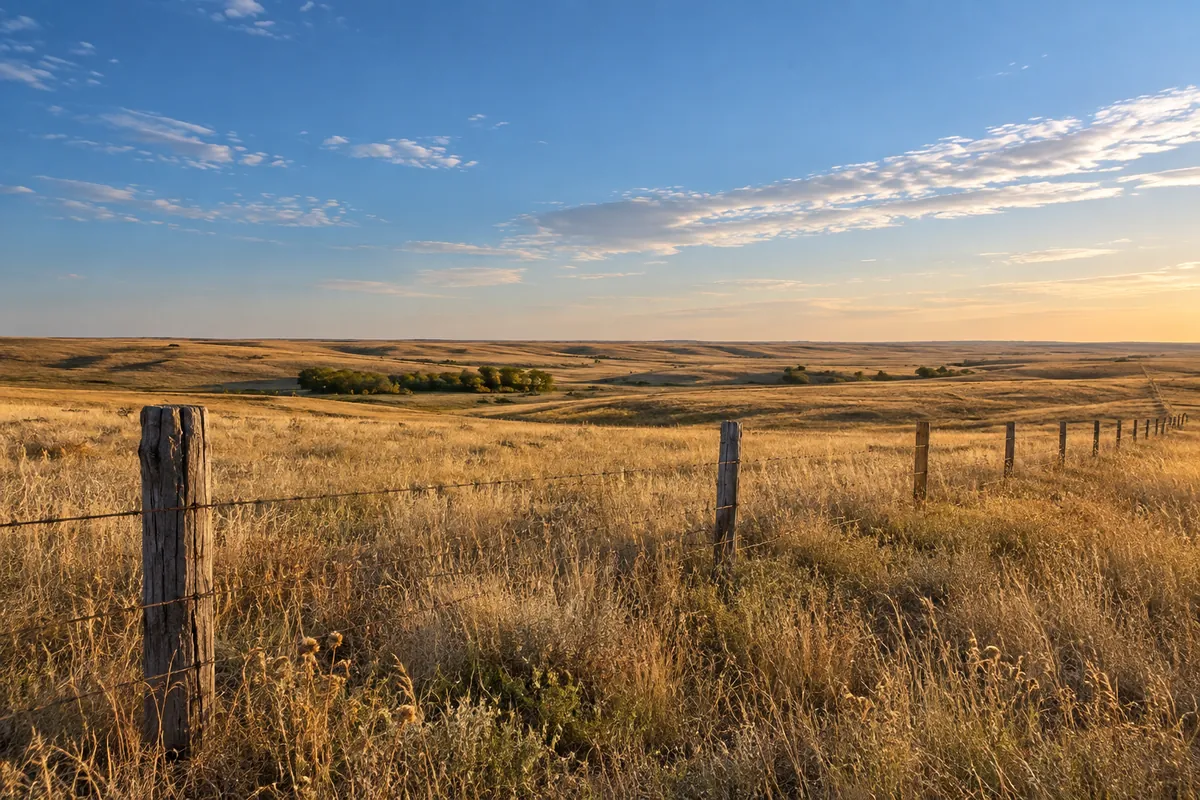
Find a tax bill, deed or map pin. Copy the land ID if you have it, and write down the nearest road and acres. A land ID is the number used to identify a piece of land. Don’t guess at a street address for open ground.
List the people who own the land and what you want to sell. If you’re selling several tracts together, keep a short list of them. Note any loan, unpaid tax balance or question about an old agreement.
Decide what matters most to you: price, less selling work or a date that fits your plans. Those answers help you compare your options. Our land seller document checklist helps you sort papers without needing a perfect file.
The Roosevelt County, Montana Clerk & Recorder keeps deeds, mortgages, survey records and leases. Call 406-653-6250 and ask how to find the recorded paper you need.
Have an owner’s name, land details or an old recorded reference handy. Ask which copy would help and what it costs before ordering or making a trip. Make sure you’re using the Montana office; other states have a Roosevelt County too.
A map helps show the location. Ask your closing team to check the papers that explain ownership and who can sign. Don’t assume that every record or map answers that question on its own.
If you share the land, ask which owners need to be part of the sale. If you’re handling inherited land or helping settle a loved one’s estate, keep any estate papers with the deed. You can begin asking questions without having every document ready.
If the papers mention a special ownership arrangement or a limit on selling, show them to the closing attorney before choosing a firm date. Ask what steps apply to your land. The goal is a clear answer about your tract, rather than a guess from its location.
Tell your agent or buyer how you reach the land. Is there a road entrance, or do you cross another property? Keep any written access agreement. A fence line or track on a map does not settle a boundary or access question.
If someone farms or grazes the land, save the agreement you have. Ask how it affects use and timing. Share what you know about water, fencing and buildings, but don’t promise that a well or service works if you haven’t checked it.
Take clear photos of the entrance and different parts of the tract. Label them so buyers know what they are seeing. You don’t need to repair every fence or clear the whole property before asking about a sale.
Ask a local land agent for recent sales with a similar location, size and use. Grazing ground, a field and a small lot can attract different buyers. Ask why each sale is a fair match.
Check what came with the price. Was there a home, equipment or more than one tract? Keep listings and tax values separate from completed sale prices. A county average does not explain the useful features of your land.
Ask for a starting range and the reasons behind it. If the land is unusual or you need a formal value, ask whether an appraisal would help.
If you live far away, ask who will handle visits and which steps you can complete from home. Compare the work, timing and money you expect to keep.
Reelvest is one direct-sale option. If you’d like an offer to compare, tell us about your land. You’re free to choose another route.
Check that the offer covers the right land. Ask who pays costs, when the buyer can cancel and who will handle closing. Don’t rely on a price alone.
Here is a made-up example: a $50,000 offer minus $2,500 in seller costs leaves $47,500 before a loan or unpaid taxes. These are teaching numbers, not county prices. Use our offer comparison worksheet for your actual offers.
Ask the closing team which records and signatures are needed. Read the final payment breakdown before signing and keep copies. If payment instructions change, check them by calling a number you already know.
See our Montana land seller guide and sale agreement guide for more help.
Start with the Roosevelt County, Montana Clerk & Recorder. Share an owner’s name, land details or an old reference. Ask which copy would help and how to request it.
You can start asking about selling. Keep estate papers with the deed and ask the closing team who needs to sign. Missing papers are a question to work through, not a reason to guess.
Don’t assume that you do. Share the agreement with your agent and closing attorney. Ask how it affects the sale and timing before promising a buyer anything.
Yes. Compare price, costs, timing and the work each route needs. Get the terms in writing and decide which choice fits you.
Local source links reviewed October 6, 2026.