
Start with the location, acres and owners listed on your deed. Gather the papers you have, describe the land and compare ways to find a buyer. You can ask about selling before every question is answered. These five steps will help you prepare.
Tell us about your land. There’s no obligation to accept an offer.
Start with what you know. These steps will help you get ready and choose the way to sell that fits you.
Find a recent tax bill, deed and any old survey or map. Note the property number, road name and pieces you want to sell. If the land has no address, a map pin and directions can help a buyer find it.
The official county directory lists the Assessor and Collector. Ask the Assessor about tax-record details if the acreage or property information looks wrong. Ask the Collector about unpaid property taxes. A tax value is useful background, not a promise of the price a buyer will pay.
For a missing deed, the Phelps County Recorder of Deeds keeps recorded land documents. Its page links to a public online search and copy-fee information. Ask about the record you need and how to get a copy before paying for a search service.
Start with what you know. An agent, buyer or closing professional can help identify which missing papers matter for your sale.
Explain how you reach the property and where a visitor should enter. Note gates, steep stretches or places a vehicle can’t reach. If the route crosses another owner’s land, share any written right to use it.
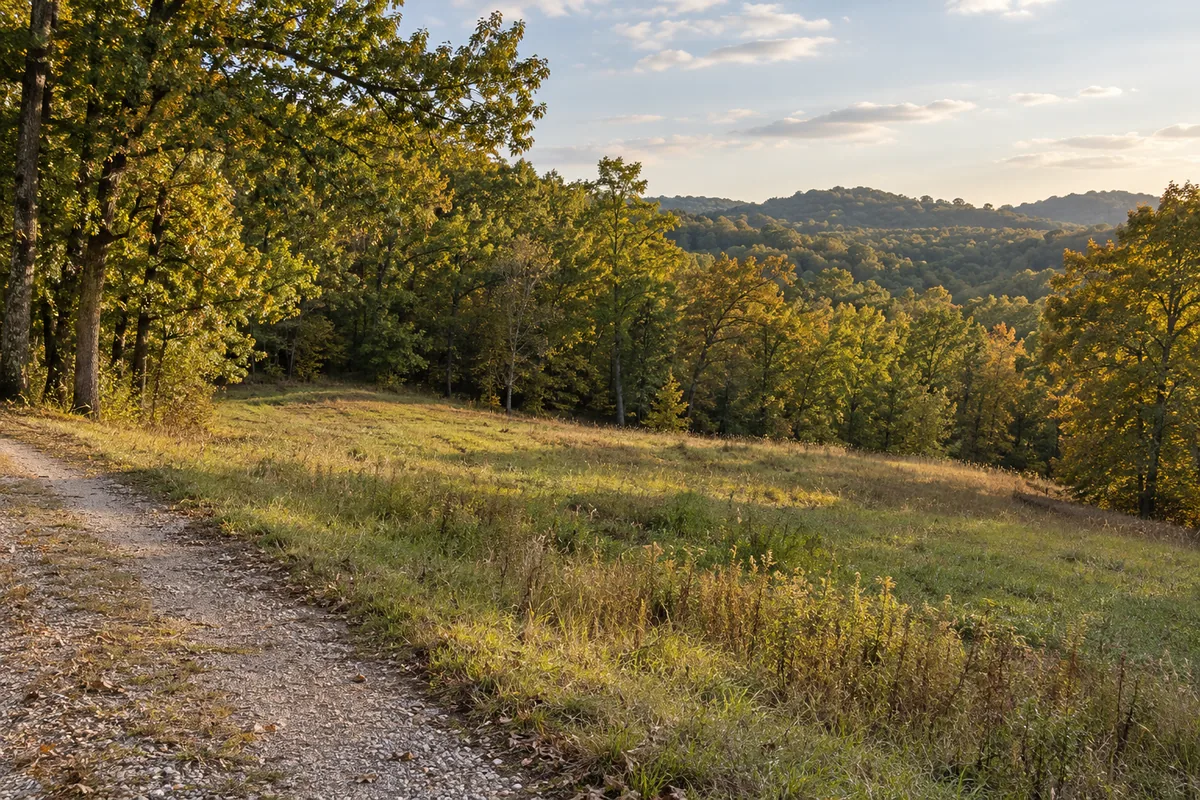
For wooded ground, describe the slope, clearings and any known tree-cutting agreement. For pasture or a field, explain who uses it and share any lease. Let the buyer know about a creek, pond or low area that stays wet.
Take a few photos of the road entrance and different parts of the land. Tell buyers about buildings, old equipment or stored items. Be clear about what stays with the sale and what you plan to remove.
Share any known well, septic or power information. Don’t promise a home site or a new connection based on a guess. You don’t need to clear trees, improve a road or pay for a fresh survey just to begin. Ask whether the work would help your sale before spending money.
Ask a local land agent for recent completed sales of similar properties. Compare size, road entrance, slope, open ground and included buildings. Separate vacant land from house sales. An asking price shows what an owner wants, not what someone paid.
Consider your schedule and the work you want to handle. A direct offer can be useful to compare, even if you choose another selling path.
Check that the written offer names the right land and included items. Read the price, deposit, time for buyer checks and planned closing date. Ask what allows cancellation or a request to change the price.
Find out who pays each cost. Ask how a loan balance or unpaid taxes would affect your payment. Have unclear terms explained before signing.
Here’s a made-up example: a $60,000 offer with $5,000 in seller costs leaves $55,000 before other debts. A $58,000 offer with $1,000 in seller costs leaves $57,000. The higher price doesn’t always leave you with more money.
Use our land offer worksheet to put terms side by side. These amounts show the math, not a Phelps County price estimate.
Closing is when the final papers are signed and the money is paid. Ask who will handle it, what they need from you and how payment will arrive. Read the final cost breakdown before the appointment.
Tell the closing professional about other owners or missing papers early. If you’re handling inherited land or helping settle a loved one’s estate, bring the deed and estate papers you already have. An attorney or closing professional can help work out who needs to sign.
Our seller document checklist and Missouri seller guide can help you prepare. If you’d like a direct offer to compare, tell Reelvest what you know about your land. You decide whether it fits.
Start with the Recorder of Deeds. Its official page links to public online search and copy-fee information. Ask about the record you need before paying for a search service.
Describe the entrance, slope and any clearings. Share photos and known use agreements. Let buyers explain what checks their plans need.
You can start with the current condition. Explain how you reach the land and ask whether road work would help your sale before paying for it.
Yes. Begin with the location, size if known and papers you have. An agent, buyer or closing professional can help identify what else is needed.
Local source links reviewed October 4, 2026.