
Start with the land papers you have and a few facts about the property. Then compare ways to sell, research a price and get the terms in writing. You can work with a land agent, find a buyer yourself or consider a direct offer from Reelvest.
Tell us about your land. There’s no obligation to accept an offer.
Start with what you know. These steps will help you get ready and choose the way to sell that fits you.
Find a tax bill, deed or old survey if you have one. A deed is the paper used to transfer ownership. Write down the parcel number, acres and nearest road. A parcel is one piece of land in county records. List each piece if you plan to sell several together.
Add who is listed on the deed and whether anyone else may have an interest in the land. Keep loan, lease and other land papers with those notes. You do not need a perfect folder before asking about selling.
If you are handling inherited land or helping after a loss in the family, start with what you have. Share estate papers with the closing team and ask which records and signatures they will need. An old deed alone may not answer every ownership question.
Our land seller document checklist helps you keep the papers together without buying records you may not need.
The Christian County Recorder’s Office page links to online record searches. The county says the public index shows document details without images, including names, the written land description, recording date and book and page number.
Save any matching document reference. If you need the actual deed, ask the Recorder’s Office or closing team how to get a copy. Check any access or copy cost before paying. An index entry helps locate a document; it is not the document itself.
The Recorder says it does not provide document forms, notary services or legal advice. Ask your closing team who will prepare the sale papers. You do not have to draft a deed yourself to start selling.
The county website also links to a Public GIS Viewer under Assessor. GIS means a map linked to property information. Use a map to explain where the land is, and share any boundary questions with the agent or closing team.
Write down how you reach the land from the road. If you cross another property, keep any written agreement you have. An easement is a right to use another person’s land for a stated purpose. A visible track alone does not explain the whole arrangement.
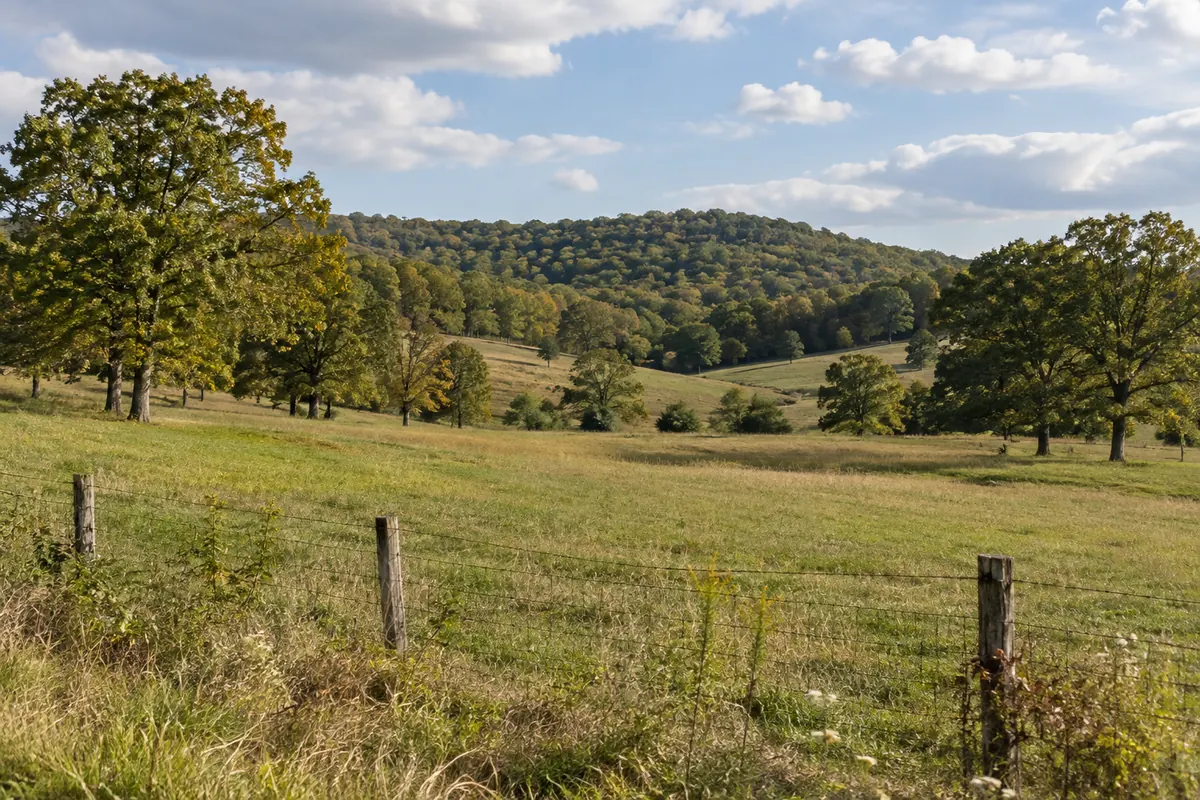
Note open ground, woods, slopes, wet areas, buildings and known services. Take clear photos from places you can safely reach. Keep facts separate from guesses about what someone could build.
Christian County Planning & Development handles land-use and development questions in unincorporated areas—that means land outside city limits. Its page includes zoning and subdivision resources. Zoning means the rules for how land can be used.
Before advertising a new use or a possible split, ask which office handles your parcel and what has been approved. If it is inside a city, ask which city office to contact. You do not need to design a buyer’s project; just be clear about what is known.
A land agent can help research price, market the property and handle buyer questions. Ask about their experience with land, the fee and the work they would do for you.
Selling on your own gives you more of the marketing and follow-up work. Plan how to answer questions, arrange visits and get help with the agreement and closing.
A direct buyer is another option. You can ask Reelvest for an offer to compare. Find out what the buyer needs to check and what costs fall on you. You decide whether the offer fits your goals.
Think about the money, time and work each route asks of you. A route that works for another seller may not be the one you want.
Ask a local land agent for recent sales with similar size, access, setting and known uses. A small lot, pasture and acreage with a home may attract different buyers. Ask why each sale is a useful match.
Check whether it closed, what buildings were included and whether several parcels sold together. Keep active asking prices separate. A county value is background, not a buyer’s offer.
If useful sales are scarce, ask for a range and the reason behind it. Do not price an uncertain future use as though it is already approved. Clear photos and a short, accurate description help buyers understand what you are offering.
Compare the money you keep. In a made-up example, a $65,000 offer with $5,000 in seller costs leaves $60,000. A $63,000 offer with $1,000 in costs leaves $62,000. Both are before loans, taxes or other debts. These are not local prices or fee estimates.
Ask who pays each cost, what the buyer needs to check, when they can cancel and what happens to the deposit. A deposit is money put down as part of the agreement. Find out who handles closing and the planned date.
Use our land offer comparison worksheet to keep the answers side by side. If a term is unclear, ask for a plain explanation before signing.
The closing team checks ownership records and prepares the papers for the sale. Ask what remains open, who must sign and how payment will reach you. A target closing date can change if records or signatures are missing.
Ask for an estimate of the money you will receive. Loans, taxes or costs assigned to you may reduce it. Read the final figures and ask about anything that differs from the agreement.
Keep copies of the agreement and closing papers. For more help with the wider process, read our Missouri land seller guide. If you would like a direct offer to compare, tell Reelvest about your land. Start with what you know.
Start with the Recorder’s Office record-search link and any owner names or document references you have. Its online index shows document details without images. Ask the office or closing team how to get the actual copy and check the cost first.
You can use an agent, sell on your own or consider a direct buyer. Compare the work, costs and terms. Ask who will help with the agreement and closing whichever route you choose.
Start with Christian County Planning & Development for land outside city limits. Ask which office handles your parcel and what approval may be needed. For land inside a city, ask which city office to contact.
Start with the deed and any estate papers you have. Ask the closing team which ownership records and signatures are needed. You can ask about selling while those questions are being worked through.
Yes. Use the parcel number, nearest road and a map location to help identify it. Share any tax bill or deed you have. Do not guess an address for empty land.
Ask for a written estimate that shows seller costs and any loans, taxes or other amounts taken out. Compare it with the agreement and ask about changes before signing the final papers.
Local source links reviewed October 6, 2026.