
Start with your land's location and the papers you have. Then choose a price, find a buyer and compare the terms before signing. You can start with missing details and choose an agent, sell yourself or compare a direct offer.
Tell us about your land. There’s no obligation to accept an offer.
Start with what you know. These steps will help you get ready and choose the way to sell that fits you.
Find a tax bill, deed or old survey. Write down the parcel number, acres if known and nearest road. The parcel number is the county's number for your piece of land. It can be more useful than an address for empty land.
Check which pieces you own and which ones you want to sell. If you own three parcels but want to keep one, say that from the start. Keep any old map or sketch with your notes. Mark a boundary you aren't sure about instead of guessing.
You can get started even if you live out of state or haven't visited in years. Write down what you know and what needs checking. A familiar mailing town alone isn't enough to identify the right county record.
The county's real property appraisal page links to online property information. It explains that appraisals cover land and buildings and have a January 1 effective date. Use a record to check the parcel and listed details. Keep its tax value separate from the price you hope to get.
For help with the land record or appraisal, the county directory lists the Tax Assessor at 601-794-1021. For a current tax bill or payment question, it lists the Tax Collector's Purvis office at 601-794-1020. Ask which office handles an older unpaid amount.
Keep the value and amount owed in separate notes. Neither tells you by itself how much a buyer will offer or what you'll keep. Don't put your full tax bill or personal details in a public listing.
Keep your deed, tax bill, survey, loan details and any written lease together. Add papers about crossing other land, shared roads or anything sold with the property. Write down the names of people who share ownership.
Need a deed copy? The Lamar County Chancery Clerk keeps public land records. The county directory lists the Clerk at 601-794-3448. Ask how to get the copy you need and which details or fees apply. An old book and page reference can help.
The online records portal offers access to a land-record index. Its notice says the online index isn't the official courthouse index. An index helps find a filing; it isn't the same as having the full deed. The portal also has terms for using the service and charges for online purchases. Calling the Clerk is another way to start.
If you're handling inherited land or helping settle a loved one's estate, keep any estate papers you have. Ask the closing professional who needs to sign. You don't need to share private family details in a public ad.
Use our land seller document checklist to mark what you have and what is missing. A missing paper is something to work on, not a reason to put off every first step.
Think about what a buyer will ask. Make a short list:
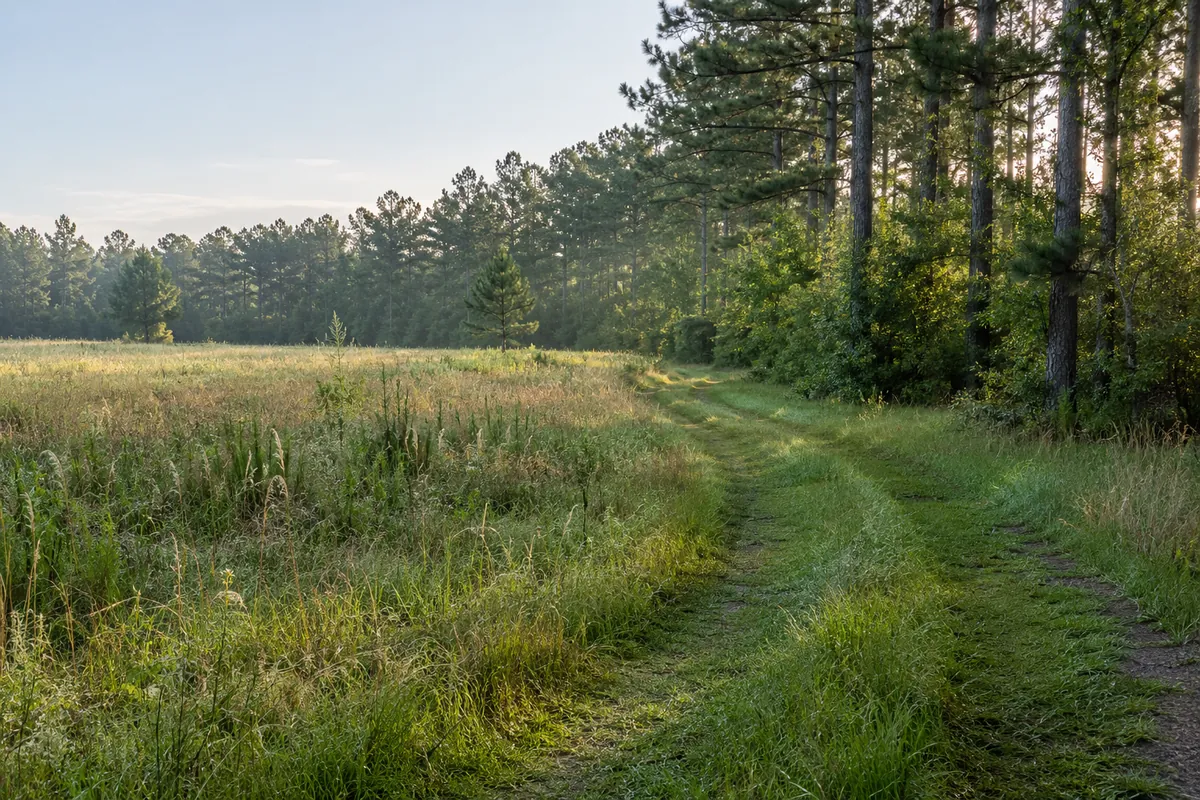
Take clear, recent photos if you can safely visit. Show the road approach, open areas and woods. Keep an older photo's date in your notes. Don't use a dry-season photo to claim an area never gets wet.
You don't need to plan a buyer's house before listing. If you haven't checked whether land can be built on, say that. A nearby home doesn't prove the same is possible on your parcel.
Look for recent completed sales of land like yours. Compare the acres, location, way in, land cover and what each price included. A house, several parcels or an unusual deal can make a sale a poor match.
For wooded land, don't assume all trees have a ready cash value. A buyer may see things differently. If timber is a large part of the price you expect, ask a qualified local forester to help you understand it. Keep any timber agreement with your papers.
An asking price is what someone hopes to get. A completed sale shows what a buyer actually paid. Keep those apart. A county tax value is another kind of figure, and it isn't a promise of a selling price.
A local land agent or appraiser can help when you can't find good matches. Our land value guide explains how to organize your price research. Choose a range you can explain, then decide what offer would work for you.
You have a few ways to sell:
Pick the approach that fits your time and goals. If you want a direct offer to compare, tell Reelvest about your land. Start with what you know. You decide whether an offer works for you.
For more statewide selling steps, see our Mississippi land seller guide.
Ask for an offer in writing. Check the full price, which costs each side pays and anything that could change the amount. Ask how loans or unpaid taxes would be paid.
Here's a made-up example: a $45,000 offer minus $3,000 in seller costs leaves $42,000 before any loan or unpaid tax balance. Those figures aren't an estimate for your land. They show why a high price alone isn't the whole story.
Compare the deposit, planned closing date and what lets the buyer cancel. Ask whether the buyer can lower the price after checking the land. Use our offer comparison worksheet to keep the choices side by side.
Ask who will handle closing and what they still need. The closing professional checks records, prepares the papers and explains payment. Missing documents or signatures can affect the date.
Read the agreement. Make sure it covers the land and included items you mean to sell. Ask about a term you don't understand before signing. Request a written estimate of what you'll receive and how payment will reach you.
Keep copies of the signed papers. Confirm the next steps for keys, access or other items being handed over. You don't need every answer at the start, but important questions should be settled before you finish the sale.
Yes. Start with the location, nearest road and acres if known. Look for an old tax bill or survey. The Tax Assessor can help with a land record, and the Chancery Clerk can explain how to get a deed copy.
For the parcel record or appraisal, start with the Tax Assessor. For a tax payment question, ask the Tax Collector. For a deed copy, ask the Chancery Clerk. The county directory lists separate phone numbers for these offices.
No. The portal says its online index isn't the official courthouse index. A record search alone doesn't settle ownership or who must sign. Ask a closing professional to check the papers for the sale.
Compare completed sales with similar acres, access and land cover. Don't assume every tree adds a fixed dollar amount. If timber is a large part of your expected price, ask a qualified local forester for help.
Gather the deed and any estate papers you have. Ask the closing professional who needs to sign and which documents are missing. You can research prices while those questions are being worked out.
No. You can use these steps with an agent, a buyer you find yourself or a direct buyer. If you'd like a Reelvest offer to compare, tell us about your land. You decide whether it fits your plans.
Local source links reviewed October 7, 2026.