
Start with the location, acres and the names on your deed. Gather the papers you have and describe the land as it is. Then compare prices, ways to find a buyer and written offers. You can ask for help before every detail is settled.
Tell us about your land. There’s no obligation to accept an offer.
Start with what you know. These steps will help you get ready and choose the way to sell that fits you.
Find a recent tax bill and write down the property number and acres. Check whether you own one tract or several. If empty land has no street address, use the closest road and a map pin.
The Franklin County Tax Assessor/Collector keeps property records and ownership maps. Call 601-384-2359 for help finding the tax record. A map can help show the location, but it doesn't settle a boundary question.
Keep a survey if you have one. You don't need to order a new one before asking about your selling options.
Put the deed, tax bill and survey together. Add any papers about shared roads, timber, farm use or other rights that affect the land.
If your deed is missing, contact the Franklin County Chancery Clerk at 601-384-2330. The office records land documents, including deeds and leases. Have an owner's name and any older deed reference handy. Ask how to get the copy you need and what it costs.
If you're handling inherited land or helping settle a loved one's estate, begin with the papers you have. Ask the closing team who needs to sign before setting a firm date. You don't have to solve every missing-paper question alone.
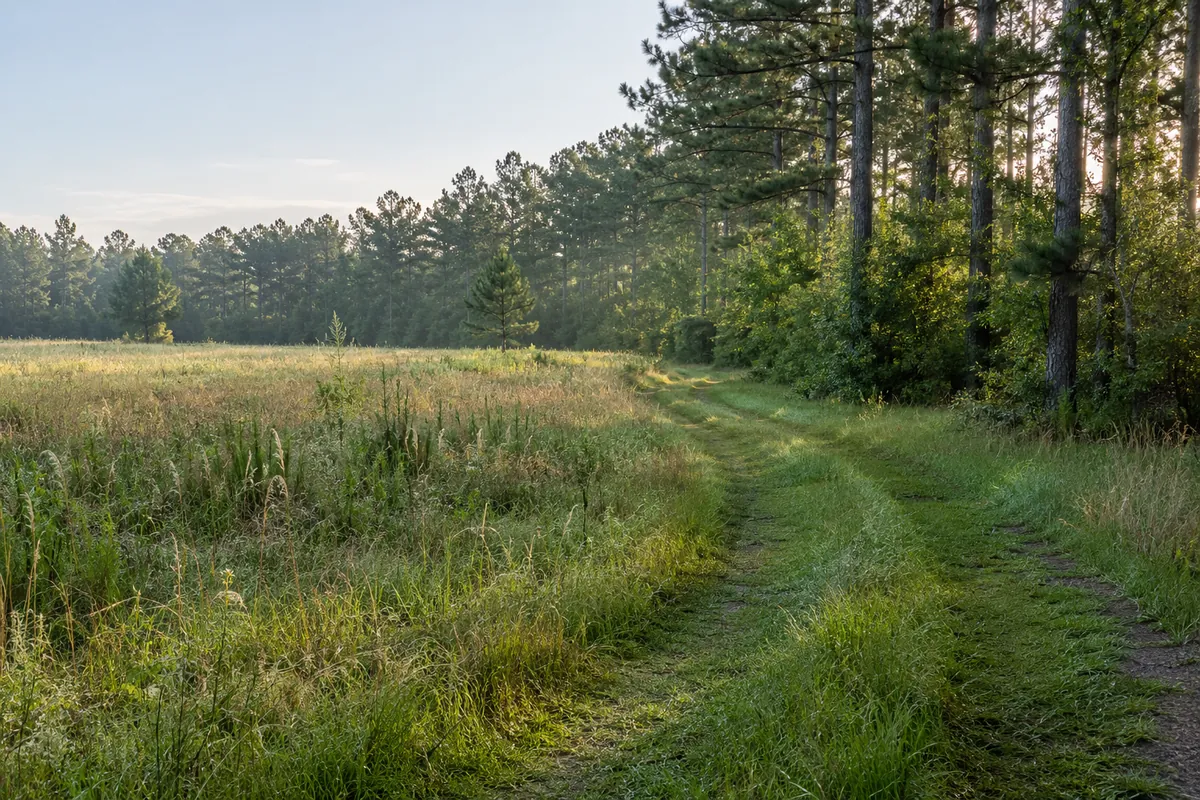
Write a simple description: “The entrance is off a gravel road. The front is open, and the back is wooded.” Add clear photos of the entrance, open areas and woods.
Don't assume that trees alone tell you a timber price. If timber is a big part of your pricing question, ask a qualified forestry professional to review it. Don't promise a buyer rights you haven't checked.
Look for land like yours that has sold. Match the size, setting, ground and road access. A small lot and a large wooded tract can have different buyers. A house sale isn't a land-only comparison.
Ask an agent why each sale fits. Check what was included and save the parcel number and sale date. The same sale can appear on several websites; count it once. An asking price shows what an owner wants, not what a buyer paid.
Your tax figure isn't an offer. Our land value guide can help you compare the details.
An agent can help price and advertise the land, arrange showings and handle offers. Ask about fees and experience with land like yours.
Selling yourself means handling the listing, calls and questions. Read our guide to selling land yourself if you'd like to compare the work involved.
A direct buyer is another choice. Ask for the price and terms in writing. If you'd like a Reelvest offer to include in your comparison, tell us about the land. You choose whether to accept it.
You can start with the land as it is. Before clearing, cutting trees or building an entrance, compare the cost with the likely benefit. Ask buyers what they need rather than guessing.
Read the exact tract being sold, price, dates and who pays costs. Ask what the buyer needs to check, whether a loan is needed and what could change the offer.
Request an estimate of the money you keep after agreed costs and any amounts still owed. Share tax notices, loan papers or recorded agreements early. If an old tax-sale notice is involved, tell the closing team before agreeing to terms. The Chancery Clerk's page also lists tax-sale record duties; ask about the specific notice rather than guessing its effect.
Ask questions before signing. Don't leave blanks in an agreement or rely on a spoken promise that changes the written terms.
The closing team checks the papers and prepares the sale. Ask who needs to sign and what to bring. Read the final statement and ask about costs you don't recognize.
If other people own the land with you, discuss the offer together. Confirm the closing office's contact and payment steps directly with that office. You don't need to solve a buyer's building plans before starting a sale discussion.
Yes. Begin with the location and papers you have. Ask the Assessor about the property record and the Chancery Clerk about a deed copy.
You can begin with it as it is. Describe the woods and access, then compare the likely benefit and cost before paying for work.
No. Compare similar completed sales and ask why they fit your land. A tax figure is not a buyer offer.
Share it with the closing team early. Ask the Chancery Clerk about the record and get help with how it affects your sale.
Local source links reviewed October 5, 2026.