
To sell land in Hillsdale County, start with your land papers, choose how you want to sell and compare offers. You can list with a land agent, find a buyer yourself or ask a direct buyer for an offer. You don’t need every answer before you start. Here’s how to get ready, one step at a time.
Tell us about your land. There’s no obligation to accept an offer.
Start with what you know. These steps will help you get ready and choose the way to sell that fits you.
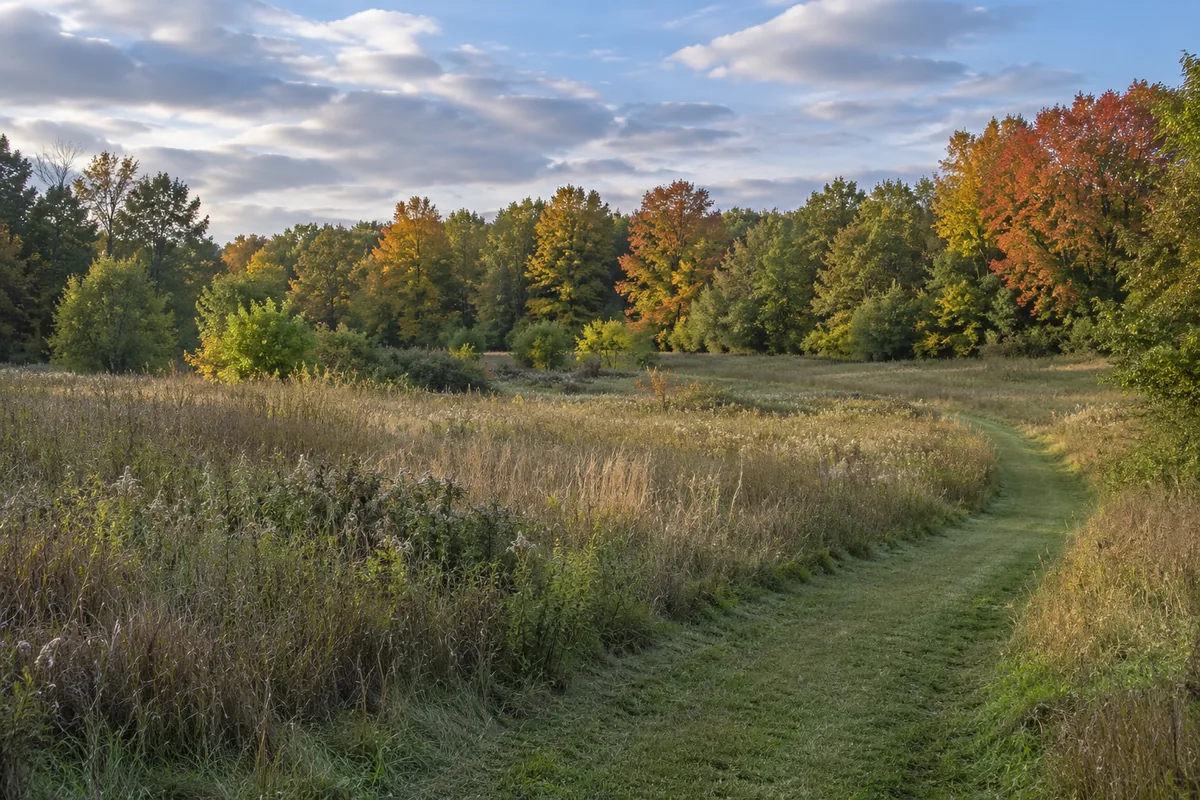
Find a recent tax bill, your deed and any survey. A deed records an ownership transfer. A survey shows measured property lines. Write down the parcel number, acres and nearest road. The parcel number is the local ID for your land.
The Hillsdale County Equalization and Land Information page links to a parcel map and local assessment contacts. An assessment is a value used for taxes. It is not an offer from a buyer.
Use the map to help find the right tract. Match the parcel details to your papers. Save a question if the acres or another detail does not fit. A map pin helps with location; it is not a measured property line.
If the land has no street address, keep the parcel number and nearest road instead of making one up. List each tract if you plan to sell several together.
If the land came to you through a loved one’s estate, keep any estate papers with the deed. The closing team can explain who needs to sign and which papers are still needed. You don’t have to sort it all out alone.
The Hillsdale County Register of Deeds links to more than one record search. Its cloud version searches text read from scanned papers. Its previous version searches by name, date and liber and page. A liber is a record book.
Have the names on your deed, any date and the book and page ready. A hard-to-read scan may not turn up in a text search. If you don’t find the paper, ask the office which search to try rather than assuming no record exists.
For older land papers, its linked QuickLink tract books cover 1835 through August 1985. Tract books help find records tied to pieces of land. Ask for help if you’re unsure how your older reference fits.
The office says it does not prepare or change recorded documents. Get help from an attorney or title company if a sale needs a new deed or an old paper needs attention. Finding a copy and fixing a document are different steps.
If you paid off a loan, keep any payoff and release papers. A release is a paper about an obligation being released. Ask the closing team which records still need checking.
Use our land seller document checklist to track what you have. Ask which missing papers matter before ordering every possible copy.
Write down how you reach the land and what a visitor should know. Is there a driveway, gate or private road? Do you have a written right to cross someone else’s ground? Keep that paper with your deed.
If someone farms, hunts or uses the land under an agreement, keep the agreement handy. Ask how that use would be handled in a sale before promising the buyer an empty tract.
Take a few clear photos you own: the entrance, open ground and woods. If you don’t have photos today, you can add them later. Don’t clear trees or spend money on major work just to begin a sale discussion.
Keep known details and open questions separate. A nearby home or road does not settle what a buyer can build or how they can reach your exact tract.
Your choice may depend on how much work you want to do and how soon you hope to sell. Ask each person to explain their plan in plain words. A high price with open conditions can mean something different from an offer with fewer steps.
If you’d like a Reelvest offer to compare, tell us about your land. You can start with what you know and decide whether an offer fits your goals.
Ask a land agent for recent completed sales of similar land. Compare size, location, access and what a buyer could use. A home lot and a large wooded tract may serve different buyers.
Keep asking prices separate. They show what sellers want, not what buyers paid. Check whether a sale price included a home, several tracts or other items. Keep a tax value separate too. It isn’t an offer from a buyer today.
Make a short list of good matches and questions. If there are few useful sales, ask how to widen the search without hiding the differences.
Before you sign, ask for a clear written price and list of seller costs. Ask who pays for closing work, what the buyer needs to check and when those checks end. Find out what happens if a condition isn’t met.
Compare the money you keep, not just the top number. For a made-up example, a $100,000 offer with $8,000 in seller costs leaves $92,000. A $97,000 offer with $3,000 in costs leaves $94,000. Both are before loans, taxes or other debts. These are teaching figures, not local fee estimates.
Our offer comparison worksheet can help you line up the terms. Ask the closing team to explain a charge or condition you don’t understand.
Once you accept an offer, the closing team checks the ownership papers and prepares the sale documents. The buyer may also complete the checks in the contract. Ask what’s still open and who is handling each step.
Keep a current loan balance, tax bill and any lease handy. Ask how any amount owed will be handled from your sale money. Before signing, review the closing statement. It lists the price, costs and money you receive.
Confirm the signing plan and payment details with the closing office. The closing date depends on the contract and the work still needed. For a wider look at the steps, see our Michigan land seller guide.
No. Start with the location, land ID number and papers you have. Ask which missing items matter before paying for new reports.
Liber means a record book. The page points to a place in that book. Keep that reference from your deed when asking the Register of Deeds for a copy.
The Register links to text and name/date/book searches, plus older tract books. Ask which option fits your reference. A missing text result does not prove no paper was recorded.
Keep any deed and estate papers you have. The closing team can explain who needs to sign and which papers are still needed. You can start a sale discussion while gathering answers.
You can list with a land agent, find a buyer yourself or compare a direct offer. Look at price, seller costs, buyer checks and the work each choice asks of you.
Local source links reviewed October 6, 2026.