
Selling Berkshire County land starts with a few details about what you own. Gather the papers you have, choose a price, and decide how you want to find a buyer. You can begin even if the land has no street address or you’re missing a deed.
Tell us about your land. There’s no obligation to accept an offer.
Start with what you know. These steps will help you get ready and choose the way to sell that fits you.
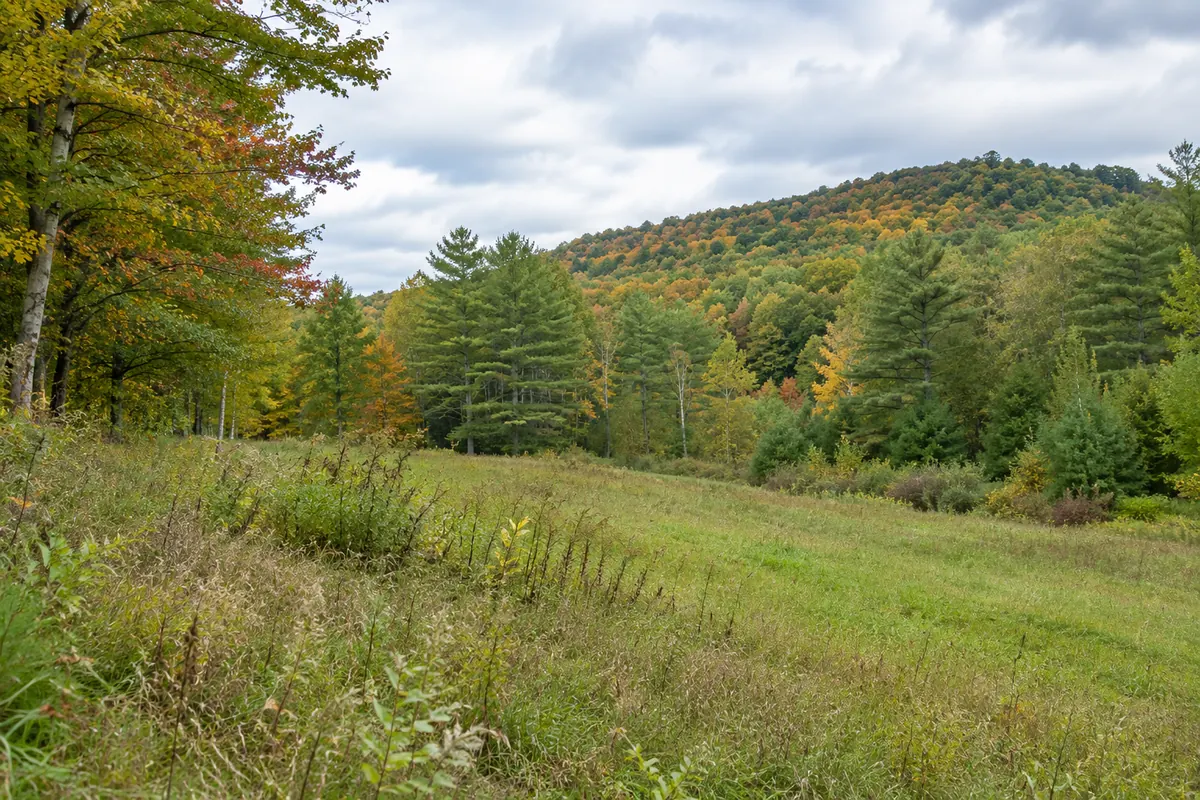
Start with a recent tax bill and any deed or survey you already have. These help an agent or buyer find the right piece of land. You don’t need to order new work just to have a first conversation.
For vacant land without an address, use a lot number, the closest road, and a map pin. A few clear photos can show the entrance, open areas, slopes, and woods. Say what you know and what still needs checking.
Berkshire has North, Middle, and South deed districts. Use the state’s registry finder to look up the town where your land sits before you search for a deed.
For example, the state lists Adams and Williamstown in Berkshire North, Pittsfield and Lenox in Berkshire Middle, and Great Barrington and Sheffield in Berkshire South.
Once you know the district, the state office directory gives these phone numbers:
Have the names from an old deed or tax bill ready when you call. If you have a book and page reference, mention it. Ask how to find a copy and whether any copy fee applies. You can ask for help without knowing every detail.
Start with the assessor’s office in the town or city where the land sits. A tax record and a recorded deed are different papers, so tell the office which one you need.
For land in Pittsfield, the city assessor page links to property maps and lists 413-395-0102 for help. If the land is in another town, contact that town’s office instead.
A tax map helps you point out the lot. Keep a survey you already have if it answers more detailed questions. If a buyer raises a boundary issue, ask what needs checking before paying for new work.
Look for land that has actually sold, rather than copying the highest asking price you see. Try to compare similar size, location, and road access.
A wooded hillside, an open meadow, and a small lot with nearby services can suit different buyers. A sale with a house isn’t a good starting point for pricing empty land. If a sale included several lots, check what the price covered.
If you’re considering an agent, ask them to show a few sold properties and explain the differences. Ask: “What makes these good matches for my land?” A price range is more useful when you can understand where it came from.
Your tax value can give you background, but it isn’t a buyer’s offer. If you want a written value opinion, ask a land appraiser what they would check and what the work costs. You don’t need one just to compare selling options.
There are three common routes. Choose the one that fits your time, comfort with the work, and goals.
Make a listing useful to the reader. Include the town, lot number, size if known, and how to reach the land. Show clear photos. Don’t promise a home can be built or a lot can be split unless that has been checked.
You don’t have to clear trees, build a driveway, or solve every buyer question before asking about a sale. Before spending money, ask whether the work is likely to help.
If a direct sale interests you, you can tell Reelvest about your land. We’ll review the details and let you know if we can make an offer. You decide whether it works for you.
Get the terms in writing before deciding. Check more than the price:
Ask for an estimate of the money you’ll keep after your costs and any balances that must be paid. Share loan details and tax bills so the closing team can use actual figures. Don’t assume a cash offer includes every cost.
If a term is unclear, ask for an explanation in plain words. You can compare offers and other ways to sell before making a choice.
Closing is when the sale papers are signed and payment is handled. Ask the person handling it for a short list of what they need from you and what still has to happen.
If you’re helping settle a loved one’s estate or handling inherited land, gather the deed and estate papers you have. Ask an attorney or the closing team who needs to sign. Missing papers are a question to work through, not a reason you can’t ask for help.
Share any lease, shared-road agreement, or special tax paperwork that comes with the land. Ask how it affects your sale. You don’t need to guess the answers on your own.
Before signing the final papers, check the lot description, sale price, costs, and amount you’ll receive. Ask how payment details will be confirmed. Keep copies of the agreement and closing papers.
Our land seller document checklist can help you gather a few papers. For broader help, see the Massachusetts land seller guide.
Yes. Start with the town, a tax bill or lot number, and what you know. Use the state registry finder to locate the right deed office. Ask about a new survey only if there’s a question that needs one.
It depends on the town where the land sits. Use the Massachusetts registry finder to choose Berkshire North, Middle, or South before searching.
Use the town, parcel or map and lot number, closest road, and a map pin. Don’t guess an address for empty land.
No, you don’t need to clear it just to begin. Use photos and the records you already have. Ask whether any proposed work is likely to help before spending money.
Gather the deed and any estate papers you have. Ask an attorney or the closing team which documents and signatures are needed. It’s okay to start with unanswered questions.
No. You can ask questions and compare any offer with listing the land or selling it yourself. You choose whether to move ahead.
Local source links reviewed October 4, 2026.