
Start with the location of your Somerset County land, any papers you have, and what you want from the sale. Then compare prices and ways to find a buyer. You can begin even if a deed, map, or other detail is still missing.
Tell us about your land. There’s no obligation to accept an offer.
Start with what you know. These steps will help you get ready and choose the way to sell that fits you.
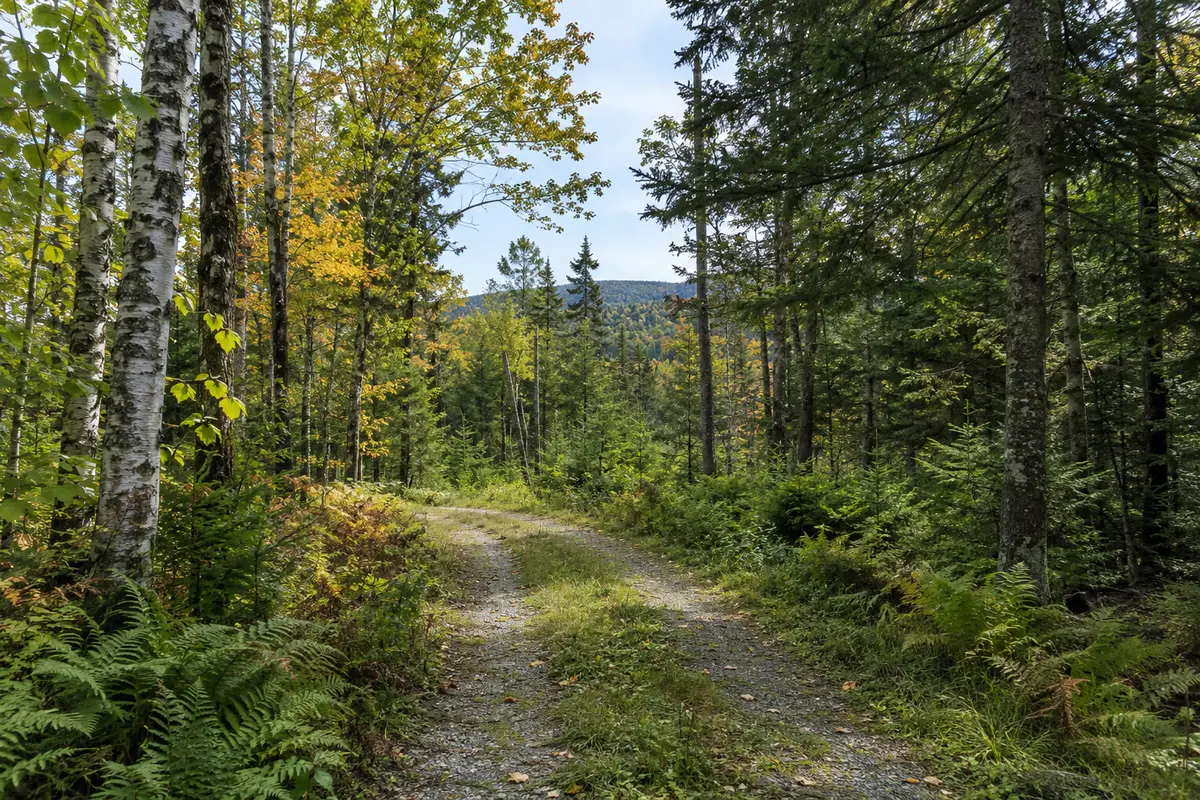
Are you ready to let go of land you no longer use? Are you helping with family property? Or would you like to learn what buyers might pay before deciding?
Write down your goal and whether you have a target date. Decide which pieces you want to include if you own more than one. This helps you compare an agent listing, a sale you handle yourself, and direct offers.
Start a folder with a tax bill, deed, old map, and photos if you have them. A phone folder works fine. Make a short list of missing items so you can ask for help finding them.
Look at your tax bill for the town or township name and the map and lot numbers. These numbers identify the land in local tax records. Add the nearest road and a map pin if there is no street address.
For land in an organized town: ask that town’s assessing office for the property record and map. The town name matters more than the county name when you need those records.
For land in unorganized territory: use Maine Revenue Services. Unorganized territory means an area without an incorporated town government. The state handles its property assessment and tax collection.
The state’s Tax Maps and Valuation Listings page explains how to use the township, plan, and lot from your bill to find a map. Its valuation books page has a 2026 Somerset County book. Check that the record matches your land. A tax value is not a selling price, and a map does not settle a disputed boundary.
A deed is the paper that records a transfer of land. For a missing copy, start with the Somerset County Registry of Deeds. The office’s direct phone is 207-474-3421. Ask about finding a copy and any charge.
The registry uses names, dates, document numbers, and book and page references. If all you have is a town map and lot number, the town assessor may help find the name or book and page to use. The registry’s site also links to its online search.
Ask a title company or closing attorney to check the ownership papers and any unpaid claims tied to the land. That review helps show who needs to sign and what must be handled before the sale can close.
If you’re helping settle a loved one’s estate, share the papers you have with the person helping with it. Ask what is still needed and who has the right to sign. You don’t have to work through every question alone.
Give buyers clear directions from a known road. Note gates, gravel stretches, steep spots, or places where you cross someone else’s land. If the route changes in winter or during wet weather, say what you know.
Share any written right to cross nearby land. That right is often called an easement. Ask the closing team to check the paper if you are unsure what it allows. A road drawn on a map does not answer every access question.
For a woods road, write down who has handled upkeep and whether there is an agreement about its cost. Describe the route you actually use. Don’t promise year-round vehicle access if you haven’t checked it.
If you live far away, start with the papers and directions you have. Mark details that still need checking. You can ask about selling without first clearing trees or building a new road.
List any camp, shed, well, septic system, fences, or other items included in the sale. Gather existing papers for them if you have them. Explain what is working and what you haven’t checked.
For wooded land, say whether you know of a recent timber harvest or an agreement that lets someone cut trees. Share a forest plan if one exists. Keep an old timber estimate separate from what buyers would pay for the whole property today.
Tell the buyer about anyone using the land under a lease or other agreement. Ask how that use would be handled at closing. If the land has a special tax program, show the bill or program papers to the closing team before making changes.
Take a few current photos if you can visit safely. Show the entrance, ground, and any included buildings. Label older pictures with their date. Describe waterfront or nearby water carefully: land beside a lake and land with a view are different things.
You don’t need to plan a future buyer’s building project. Describe what is there and let the buyer check plans for the exact land.
Start with land that has actually sold, then ask how close each example is to yours. A listing price shows what the seller hopes to get. It does not show the final price paid.
Try to match size, area, road access, water, power, and the kind of land. A small lot with services may be a poor match for a larger woods tract reached by a seasonal road. A sale with a camp or lake frontage can also differ from empty inland ground.
Check the full deal. Was it one piece or several? Did it include buildings or other items? Confirm the land numbers and deed, and count a sale only once even if it appears in more than one source.
For a fictional example, a $60,000 sale of 20 acres is $3,000 an acre. That math alone does not price your land. If the sale included a camp or better access, the difference matters.
An agent who works with land can help find useful examples and explain a price range. For more help, see our land-value guide.
Ask for a written estimate of your costs before you agree to a deal. Check any agent fee, closing charge, taxes, loan balance, or other amount that would come out of your payment.
For town land, ask the local tax office about the current amount due. For unorganized territory, start with Maine Revenue Services. Ask the closing team to confirm the balance for the planned closing date.
Have the closing team explain any transfer tax and who will pay it. A transfer tax is a tax charged on certain property transfers. Ask them to check what applies to your sale rather than assuming every seller pays the same total.
For a made-up example, a $60,000 sale minus $3,000 in agreed costs and $1,000 in unpaid balances leaves $56,000. Your figures may differ. Compare the money you keep as well as the buyer’s terms.
If you’d like a direct offer to compare, tell Reelvest about your land. Start with what you know. We’ll review the details and let you know if we can make an offer. You decide whether it works for you.
Check that the written offer covers the right land, included items, price, and costs. Ask about the deposit and what checks the buyer wants to make. Find out when the buyer can cancel and what happens to the deposit.
Choose a closing company or attorney and ask what papers and signatures it needs. If records are still missing, get a clear list of next steps before relying on a closing date.
Review the final figures and ask how the money will reach you. Keep copies of the signed papers and payment record. For the broader process, see the Maine land seller guide.
Yes. Start with the location, your tax bill if you have it, and what you know about the land. Make a list of missing details. Ask the records office or closing team what would help next.
Check your tax bill for the town or township and map and lot numbers. Add the nearest road and a map pin. Confirm the record rather than guessing an address for empty land.
Maine Revenue Services handles property assessment and tax collection there. Its site links to maps and valuation books, including a 2026 Somerset County book. Use your township and the plan and lot details from your bill.
Ask the Somerset County Registry of Deeds at 207-474-3421. Names, a date, or a book and page reference can help. Ask about a copy charge. Town assessing records may help connect a map and lot number to the deed.
Share the papers you have with the person helping settle the estate or the closing team. Ask what is needed and who can sign before agreeing to sell. Take it one step at a time.
Start by describing the land and its current access. Ask how buyers see it before spending money. Compare selling it as it stands with the cost and time of work you are considering.
Use it as background with its year and included property. Compare similar completed sales for a useful selling range. A tax value, listing price, and buyer’s offer can be different.
No. This guide can help with an agent listing, a sale you handle yourself, or a direct offer. If you would like an offer from Reelvest to compare, tell us about your land.
Local source links reviewed October 4, 2026.