
Start with the town where your land sits, your tax bill and any papers you have. Then check a price and choose how you want to find a buyer. You can list with an agent, sell it yourself or compare a direct offer. You don't need every answer before you start asking questions.
Tell us about your land. There’s no obligation to accept an offer.
Start with what you know. These steps will help you get ready and choose the way to sell that fits you.
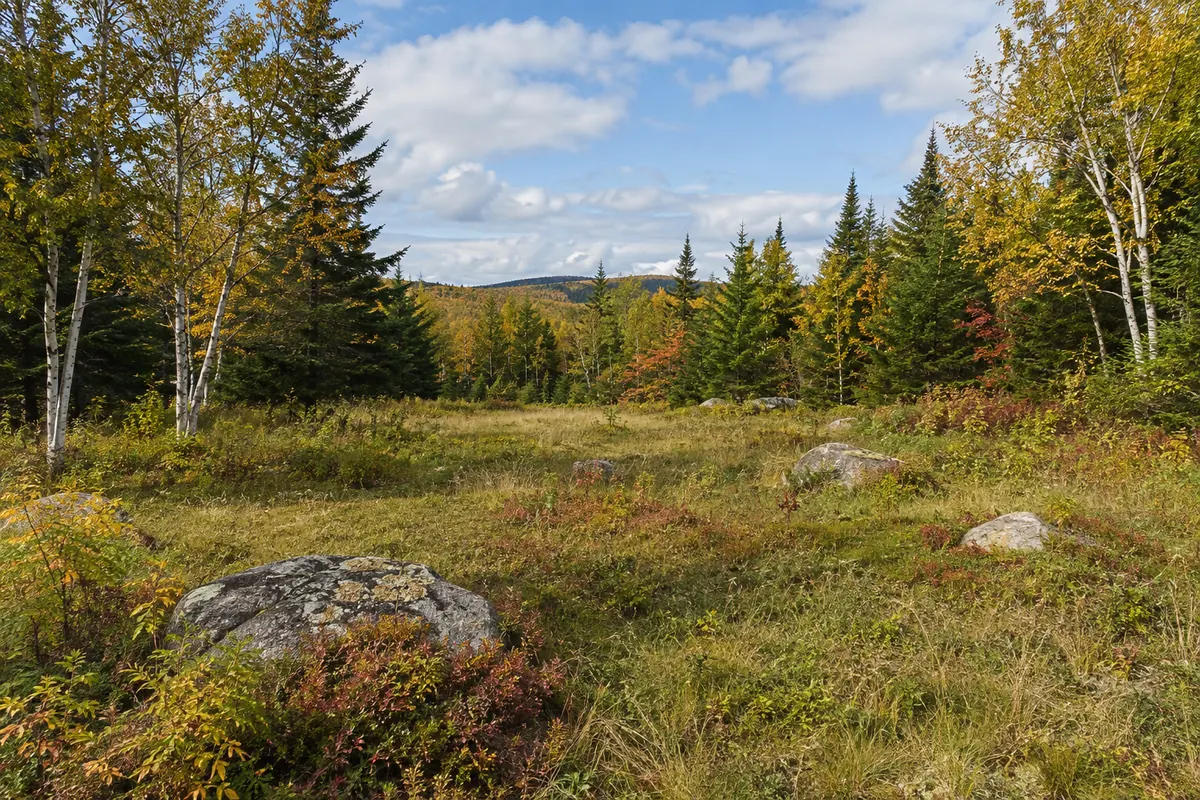
Write down the town, nearest road and the lot number from your tax bill. Empty land may not have a street address. If you own several lots, list each one so a buyer knows which land you want to sell.
Start with the assessor for the town where the land sits. Ask for the property record and tax map. The assessor helps with lot and tax records. The county Registry of Deeds keeps recorded deeds; those are a separate set of papers.
For land in Bath, the city's Assessor page links to its property database. It has choices for Address, Owner, Acct# and Map Lot Sublot. If the land has no address, try the owner name. Save the matching lot record and compare it with your deed.
Bath's account numbers use a two-digit map, three-digit lot and three-digit sublot. The search page gives 01-026-000 as an example. Copy your own full number from the tax bill or ask the assessor for help. Don't drop the zeros. This is Bath's system, not a search for all Sagadahoc County land.
If your land is in another town, use that town's assessor. Ask that office for the lot record and a map for your land.
Put these items in one folder. Photos or scans are useful for early talks.
If you can't find your deed, start with the Sagadahoc County Registry of Deeds. Its page links to PUBLIC SEARCH and gives the office phone number, 207-443-8214. Have the owner name, town and any deed book and page number ready. A book and page number tells the office where a recorded paper can be found.
The registry warns that some name spellings and document labels from before 1920 may have errors. If you're tracing an old family deed and a search comes up empty, ask the office for help rather than assuming there is no record.
Ask about copy options and any cost before ordering. Missing papers are something you can work through. You don't need a new survey or building plan just to ask about selling.
Look at the names on the deed. If you share the land, talk with the other owners about what each person wants. Make sure everyone is talking about the same lot or group of lots.
If you're handling inherited land or helping settle a loved one's estate, gather the deed and estate papers you have. The person handling closing can help work out who needs to sign and what else may be needed. You don't have to sort it all out alone.
Mention any loan, unpaid taxes or agreement for someone else to use the land. These details can affect the money you keep and the next step.
Give a clear picture of the land you actually have. A wooded lot, an open field and land beside the water may appeal to different buyers.
Take photos of the entrance and safe places on the lot. Show both useful features and things a buyer should know about. You don't have to clear trees just for pictures.
If a buyer asks whether they can build, share any existing plans or approvals. If you don't know, say so. Agree on who will check the question rather than promising a certain use.
Look for recent completed sales of similar land near yours. Compare the town, size, access and what the buyer received. An inland wooded lot is a weak match for a lot with usable water access, even if both are the same size.
Check whether the sale included a home or several lots. Keep the town, lot number and deed reference beside each price. Two ads or records may describe the same deal; count that sale once.
Asking prices tell you what sellers hope to get. They don't show what buyers paid. A tax value is a useful record to keep, but it isn't a promise of today's sale price.
Ask an agent who sells vacant land which completed sales they would use and why. Our land value guide can help you make a short comparison. If you can't find good matches, say that instead of turning a rough guess into a firm price.
You can explore more than one choice before deciding. If you'd like a Reelvest offer to compare, tell us about your land. You decide whether it fits your needs.
Ask for the price, costs you pay and target closing date in writing. Find out what the buyer plans to check, when they can end the deal and what happens to the deposit. Ask for any unclear term to be explained.
Compare the money you'll keep after fees, loan payoff and unpaid taxes. A higher offer can leave less if you pay more costs. Ask the person handling closing for a written estimate.
Check that the contract names the right land and owners. Agree on any items to remove and any use of the land that will continue after the sale.
Closing is the final step: the agreed papers are signed, payment is handled and ownership changes. Keep your signed papers and final cost statement.
For a useful start today, find your tax bill, write down the town and lot, and list your biggest question. Bring that short list to your first conversation.
Start with the county Registry of Deeds. Its website links to PUBLIC SEARCH and lists contact details. Have the owner name, town and any deed book and page number ready. If an old search doesn't match, ask the office for help.
No. Bath's property database is for Bath. Use the assessor in the town where your land sits for its lot record and tax map. Use the county registry for recorded deeds.
Not just to begin a conversation. Gather the deed and any old survey or lot plan you have. Ask an agent, buyer or closing professional whether new work would help before spending money.
Yes. Compare the price, costs, work involved and terms. Ask how much money you'll keep and what must happen before closing. A Reelvest offer is one choice you can consider.
Local source links reviewed October 4, 2026.