
To sell your Oxford County land, gather its location and the papers you have, choose a price, and decide how to find buyers. Begin with a tax bill, map and lot number, or deed. You can ask for help with missing papers before you have every answer.
Tell us about your land. There’s no obligation to accept an offer.
Start with what you know. These steps will help you get ready and choose the way to sell that fits you.
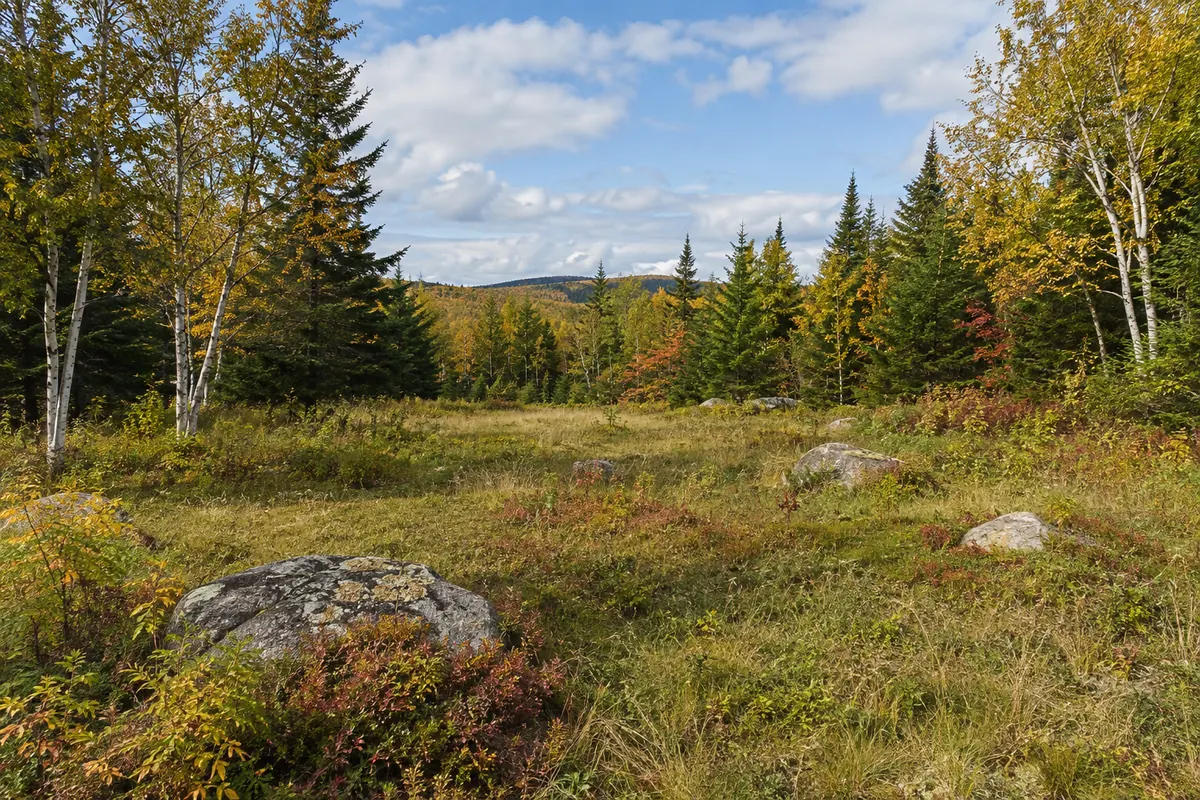
Start a folder with a tax bill, deed, and any survey you already have. Add the town or township, nearest road, map and lot number if known, size, and clear photos.
A map and lot number helps the tax office identify the land. Keep the town name with it. A deed book and page number is different: it points to a recorded paper.
If you own several lots, list each one you want to sell. Keep their numbers beside a map or location note so buyers know what is included.
Write down how you reach the land. Is there a road entrance, shared drive, or route across other land? Save any written access paper. A visible path and a right to use it are different questions.
Keep any loan statement, lease, timber report, or special tax-program paper with the deed. Describe what is there now and say what you don’t know about power, water, or septic.
You don’t need to clear trees, build a driveway, or buy a new survey before you begin. Ask what specific question the work would answer first.
Start with the town or township on your tax bill and deed. Ask that local tax or assessing office for the map and lot number, property record, and help finding the land on a tax map.
The Town of Oxford is one town within Oxford County. Its Assessing page links to a property map and lists 207-539-4431, extension 108. Use that office for land in the Town of Oxford. For land elsewhere in the county, start with the relevant town’s office.
If your land is in unorganized territory—an area without a local town government—Maine Revenue Services’ Unorganized Territory page is the starting point. It links to tax maps and valuation books and explains that the state handles assessment and property-tax collection there.
Check any result against your deed, nearest road, and the land you know. A tax mailing address may be where the bill goes, not where the property is. For land without an address, keep the location note, map pin, and map and lot number together.
Save the record with its year and check whether the value includes a building. Keep it as background, not a buyer’s offer or a complete check of ownership.
Maine’s registry directory links Oxford County to SearchIQS recorded land records. The registry’s FAQ says deed searches use buyer or seller names, or a deed book and page number. It says an address or map and lot number is not a deed-search option.
Have the names on your old papers ready. Look for a deed book and page number at the top or in a recording stamp. The FAQ says a missing deed copy can be obtained from the registry or its website. Ask which copy the closing team needs before paying for one.
If the deed is older, the county’s records help explains Early Books for the former East and West districts. Keep any district wording with the book and page. If you’re unsure which collection to use, ask for help rather than dropping the district from your notes.
The county department directory and state registry directory list the Registry of Deeds in South Paris at 207-743-6211. Explain the town, names, and recording details you have.
A copy helps gather papers; it isn’t a full ownership check. Ask the closing team who checks ownership records and any loan or other claim against the land.
If you’re helping settle a loved one’s estate, begin with the deed and estate papers you have. An attorney or the closing team can explain who needs to sign and what is still needed.
Ask an agent who sells land locally for a few completed sales. Match the kind of land before comparing its acres. A small lot with connected services may be a poor match for a large wooded tract.
Compare the location, entrance, ground, buildings, and services. Ask whether the price included a camp, house, or several parcels. An asking price shows what a seller hopes to get, not what a buyer paid.
For a road or drive used at certain times of year, describe what you know about access and any written upkeep agreement. Don’t call a property year-round access if you haven’t checked.
A view or nearby water is different from water frontage or a written right to use a shore. Keep any paper that explains those details with the deed and ask the closing team about an unanswered right.
For wooded land, keep a timber report or contract you already have. Don’t add a guessed timber price just because there are trees. If land is enrolled in a special tax program, share the papers and ask how a sale or change in use could affect it.
Use the tax value as background with its year and included property. Discuss an asking range using the closest completed sales. If you need a written value opinion, ask a land appraiser what they would review and what it costs.
Choose the route that fits your time and how much work you want to handle:
A useful listing gives the town or township, map and lot number, nearest road, size if known, and clear photos. Show the entrance and ground as well as the view. Explain a shared drive or unanswered access question.
Arrange visits with anyone who uses the land. Tell visitors which route and gates to use. Share what you know about road upkeep and times when reaching the property is harder.
Keep existing well, septic, service, and permit papers ready. Say what is missing instead of promising a buyer can build or connect services. You don’t need to plan their project to begin selling.
If you’d like a direct offer to compare, tell Reelvest about your land. We’ll review it and let you know if we can make an offer. You decide whether it fits.
Get the offer in writing. Check that it covers the right parcel or lots. Ask who pays the agent fee and closing costs, and what loan or tax balance may come out of your payment.
For example, a $30,000 offer with $2,000 in seller costs leaves $28,000 before any loan or tax balance. That’s a comparison example, not a price estimate for your land. Use our land offer worksheet to compare the actual numbers.
Ask what the buyer still needs to check, when they can cancel, and what happens to the deposit. A cash offer can still have conditions.
Find out who handles closing, the target date, and what could change it. If an access, lease, or ownership question is still open, ask who will help resolve it.
You can compare another offer or another way to sell before you decide. Ask for a clear explanation of any term you don’t understand before signing.
Closing is when the sale papers are signed and payment is handled. Ask the person handling it for a short list of what they need and which steps are still open.
Keep your deed, tax bill, loan statement, lease, and access papers ready. Share any notice about the land and ask what it means for the sale.
Ask the closing team to check current balances. An old bill may not show what is owed today. Ask how a loan or unpaid tax bill will be handled rather than assuming the offer covers it.
For inherited land, start with the estate papers you have. An attorney or the closing team can explain missing records and signatures. It’s okay to ask for help before you know every answer.
Before signing, check the parcel or lots, price, costs, and money you receive. Ask how payment details will be confirmed. Save the signed agreement and closing papers.
Our land seller document checklist can help you get ready. You can also read the Maine land seller guide.
Yes. Start with the location, tax bill or map and lot number, and papers you have. Ask the registry about a missing deed copy. Ask the closing team whether a new survey is needed for a specific question before paying for one.
The Oxford registry FAQ says searches use buyer or seller names, or deed book and page numbers. It says street addresses and tax map and lot numbers are not deed-search options. Keep those two types of records separate.
No. Its assessing office is for land in that town. Start with the town or township on your tax bill. For land in unorganized territory, use Maine Revenue Services’ tax-map and valuation information.
Keep that wording with the book and page number. The county’s records help describes Early Books for the former districts. Ask the Registry of Deeds which collection fits if you’re unsure.
Keep the town or township, map and lot number, nearest road, and map pin together. Check a tax record against the deed and land you know rather than guessing an address.
No. Ask questions and compare it with listing the land or finding a buyer yourself. You decide whether the written terms work for you.
Local source links reviewed October 4, 2026.