
Start with your land’s location, the owners’ names, and the papers you already have. Then check access, flood questions, and what a buyer can use the land for. You can sell with an agent, find a buyer yourself, or compare a direct offer. Here’s how to get ready.
Tell us about your land. There’s no obligation to accept an offer.
Start with what you know. These steps will help you get ready and choose the way to sell that fits you.
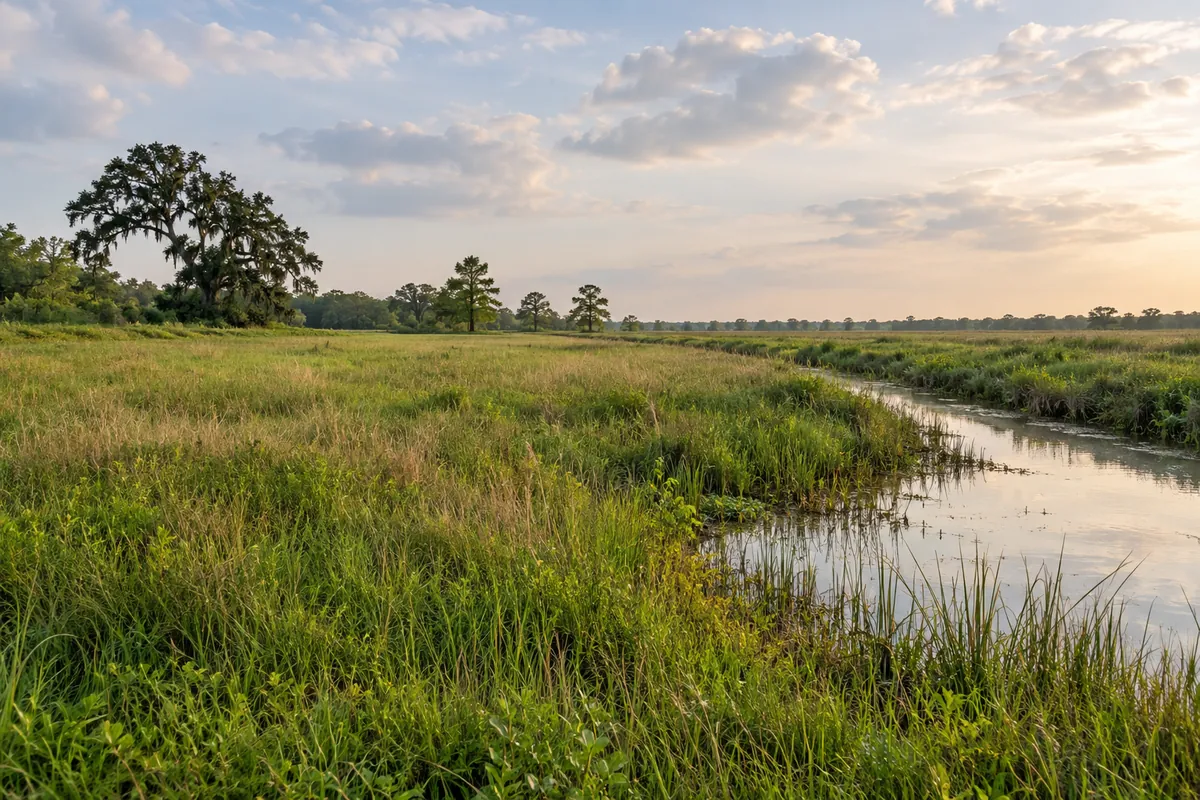
Find a tax bill, deed, or old survey. Write down the acres and closest road. If the land has no address, use the parcel number—the number used to identify it in the land records. A map pin can help someone find it, but it doesn’t prove the boundary.
You don’t need to buy every report before asking about a sale. Make a short list of what you know and what still needs checking. See our land seller document checklist if you want help organizing the papers.
The St. Bernard Parish Assessor links to an online property search. Use it to check the assessment record for your land. If you need help finding the right entry, call 504-279-6379. The Assessor doesn’t collect taxes. A tax value is also not the same as a sale price.
For a missing deed, ask the St. Bernard Parish Clerk of Court how to get a copy of the recorded sale document. Louisiana’s official clerk directory lists the office at 1101 West St. Bernard Highway in Chalmette and 504-271-3434.
Have the owner’s name, approximate purchase date, and any record number you already have ready. Ask what’s needed for a search or copy and confirm the fee before ordering. A title company—the business that checks ownership records for a sale—can help if you aren’t sure which document to find.
If you inherited the land, it’s okay if the paperwork feels confusing. Gather any estate papers you have and ask a title company or local attorney which owners and signatures are needed. You don’t have to sort it out alone.
Buyers may ask whether the land holds water, has flooded before, or needs a raised home. Start with what you’ve seen and any records you have. A dry visit or nearby house doesn’t answer every question about your parcel.
The parish’s flood risk page links to a parcel viewer. You can find land by address, owner name, or parcel ID, then turn on the Flood Zone layer. The page also links to the LSU AgCenter flood map.
Save the map result as a starting point. Then ask the local building official to confirm the current flood information for your land. The parish says it can help with flood zones, required building heights, drainage problems, past flooding, and wetland questions. A wetland is ground that stays wet often enough to affect what can be done there.
Give the buyer copies of any flood, drainage, or height records you already have. If an answer is still unknown, say so. Before paying for a new report, ask the closing team or buyer what they actually need and why.
Empty land isn’t always ready for a house. Before you advertise it that way, ask about allowed uses, access, water, sewage service, and building requirements. Keep the answers with your sale notes.
The parish’s Safety & Permits page links to maps for zoning—the rules for how land may be used—and other property information. It lists 504-278-4304 for help. Start with your parcel number and the kind of use you want to check.
You can share the answers without promising that a buyer’s future plans will be approved. It’s usually more helpful to say what was checked, who answered, and what is still open.
Use an agent: A local land agent can help choose a price, advertise the land, and handle buyer questions. Ask how they’d market your type of property and which costs you’d pay.
Sell it yourself: You handle the photos, listing, calls, and showings. Plan for help with the agreement and closing paperwork. Be ready to explain access and the local checks you’ve made.
Compare a direct offer: A buyer may offer to buy from you without a public listing. Read the price and terms carefully. Ask what checks remain, who pays each cost, and when the buyer expects to close.
Pick the route that fits your time and goals. A quick offer may suit one owner, while another prefers to wait for more buyers. You can compare options before deciding. Our Louisiana land seller guide has more help.
Look for similar land that has actually sold. Compare location, size, road access, flood and use questions, and any buildings included. A small home lot and wet acreage may attract very different buyers. Listing prices show what sellers ask, not what a sale brought.
Ask an agent to explain the sales behind their suggested range. If you can’t check what a sale included, don’t use its price as a firm answer for your land.
For each offer, write down the price, your costs, amounts you owe, target date, and reasons the buyer can cancel. Made-up example: A $50,000 offer with $3,000 in seller costs leaves $47,000 before a loan or unpaid taxes. That’s just arithmetic, not an estimate for your land.
Use our land offer comparison worksheet to keep the details side by side. Ask for a written estimate of the money you’ll receive before signing.
The closing team checks ownership, prepares the sale papers, and explains how payment will reach you. Ask for a list of the papers and signatures still needed. Missing records, shared ownership, or open checks can affect the date.
Read the agreement before signing. Confirm it covers the right land, names the buyer, and says who pays the costs. Our land sale agreement guide explains the main things to check.
If you’d like a direct offer to compare, tell Reelvest about your land. Start with what you know. We’ll review the details and let you know if we can make an offer. You decide whether it fits your plans.
No. Start with the location, owners’ names, and any tax bill or deed you have. Make a list of missing answers. The closing team can explain which papers are needed before the sale can finish.
You can explore selling it. Share what you know and give buyers any records you have. Open questions can affect their plans and offers. Use the parish flood resources and ask for help checking the exact parcel.
No. Check the rules and services for your own parcel. Ask Safety & Permits about the proposed use and required building checks before advertising it as ready to build.
Gather the deed and estate papers you have. A title company or local attorney can help you understand who needs to sign and what is still needed. It’s okay to ask for help before setting a sale date.
No. You can use these steps with an agent, while selling yourself, or when comparing direct offers. Ask Reelvest about an offer only if you want another option.
Local source links reviewed October 6, 2026.