
Start with the lot’s location and the papers you have. Check who can sign, write down what a buyer will want to know and choose a price. You can sell with an agent, find a buyer yourself or compare a direct offer. You do not need every answer before you begin.
Tell us about your land. There’s no obligation to accept an offer.
Start with what you know. These steps will help you get ready and choose the way to sell that fits you.
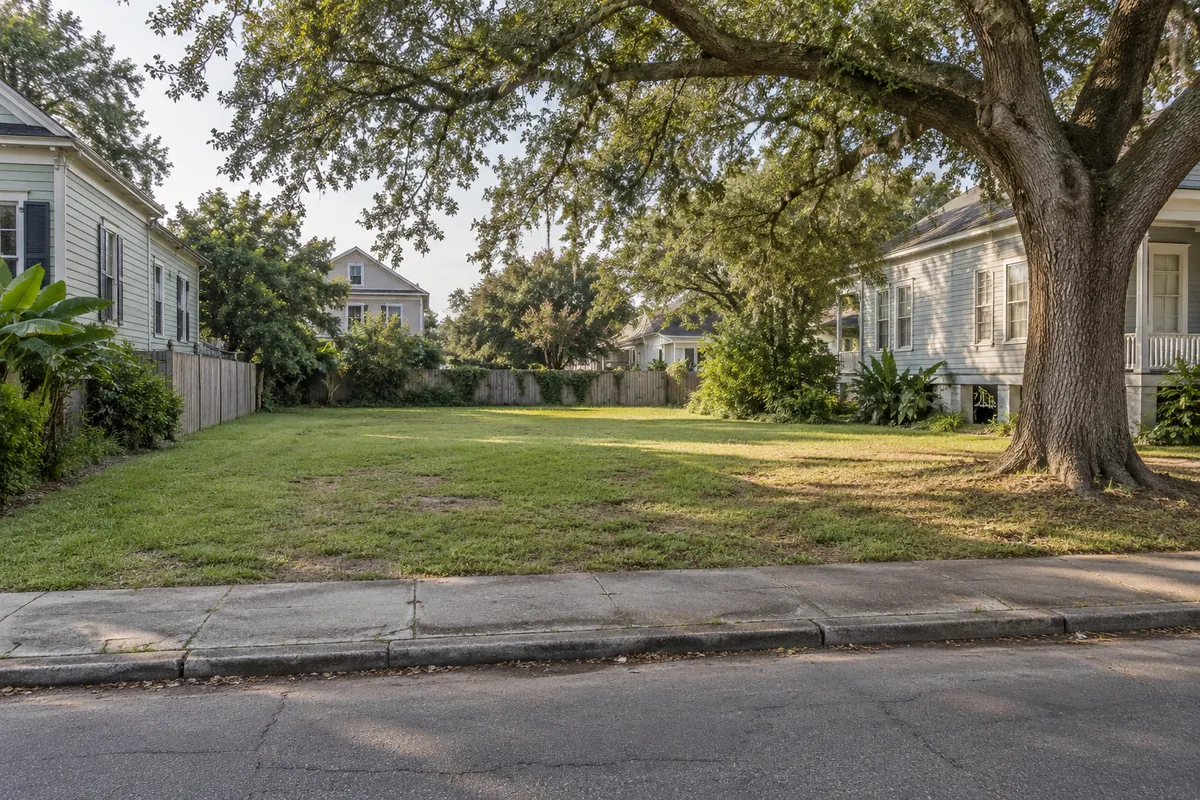
Use your tax bill, deed or old survey to identify the land. Save its tax bill number and any lot details. If you own several adjoining lots, list each one and say whether you want to sell them together.
The city’s Property Viewer lets you search by address, owner name or tax bill number. You can also click a lot on the map. This can help when an empty lot has no useful street address.
Match the location and description with your papers. A matching owner name alone does not prove that a result is your land. If details differ, ask the Assessor’s Office or closing team for help checking them.
A map helps locate the lot. It does not replace a deed or survey that describes its boundaries. Bring an old survey if you have one; you do not need to order a new one just to start.
Put the papers you have in one folder. Make a short list of missing items instead of waiting until the file is perfect.
The Orleans Civil Clerk’s Land Records Division is the place to start for recorded property papers. It handles sale records and other recorded documents. Ask the office how to find a copy if you have only an old name, date or record number.
You may see the word conveyance for records about transferring property. Mortgage records cover recorded loans and other claims. Let the closing team help check the full ownership record; one tax lookup is not the whole picture.
Our document checklist can help you keep track. If you’re handling inherited land or helping settle a loved one’s estate, bring the estate papers you have. Ask who can sign and what still needs to be done. You do not have to work through that alone.
Describe the lot as it is today. Mark anything you are unsure about as a question to check.
You do not need to build a driveway, clear trees or order building plans before talking with buyers. If someone asks for new work, ask why it is needed, who pays and whether it is part of the sale terms.
Zoning means the local rules for using land. The city’s City Planning resources page links to the Property Viewer for zoning information. Use it as a starting point, then ask the city about your specific lot before saying a home or another project can be built there.
If a buyer asks about flooding, share what you know and any records you already have. The city’s Floodplain Management page explains how to ask about flood zones and past floods. It also gives a contact for existing elevation certificates, which record a building’s height in relation to flood information.
You do not need to learn every rule or order a new certificate just to start selling an empty lot. A buyer’s plans may need their own checks. Say what is known, keep copies of your records and ask the right office about anything that could affect the deal.
Look at recent sales of land with similar location, lot size, access and likely use. Compare service details and the amount of usable ground too. A sale with a house may be a poor match for an empty lot.
A local land agent can explain which completed sales fit and why. Asking prices show what sellers hope to get. Completed sales show what buyers paid. A tax assessment is background information, not a promise of today’s selling price.
If you would like a direct offer from Reelvest, tell us about your land. You can compare it with your other choices before deciding.
Check that the offer covers the right lot or group of lots. Get the price, costs and dates in writing. Ask what allows the buyer to cancel and what happens to the deposit.
A loan payoff, unpaid taxes or other costs may reduce the money you keep. Ask the closing team to check current balances and explain any recorded claims. A lien is a claim against property. Share old tax-sale or ownership notices if you have them, even if you are unsure what they mean.
Use our offer worksheet to compare the details. Ask what still must happen before the planned closing date.
The closing team checks ownership and prepares the sale papers. Ask which documents and signatures they need. Review the final money-and-cost breakdown, confirm how you will be paid and keep copies of the signed papers.
Try the city Property Viewer with the tax bill number or owner name, or locate it on the map. Match the result with your deed and other papers before assuming it is the right lot.
Start with the Orleans Civil Clerk’s Land Records Division. An act of sale is a recorded property sale paper. Ask the office about finding a copy if you only have an old record number or date.
You can start selling the lot as it is. Share existing approvals and facts you know. Avoid promising a use that has not been checked; the city can answer questions about the specific lot.
Not just to ask about selling. Bring records you already have. If new work is requested, ask why it is needed, who pays and whether it is part of the sale terms.
You can gather records and ask questions. Bring what you have to the estate lawyer or closing team so they can explain signing authority and any remaining steps.
Local source links reviewed October 4, 2026.