
Start with similar land that has sold. Check what each sale included, how the land was reached and how much ground was useful. A broad price per acre can hide those differences. A few good matches will help more than a long list of unrelated properties.
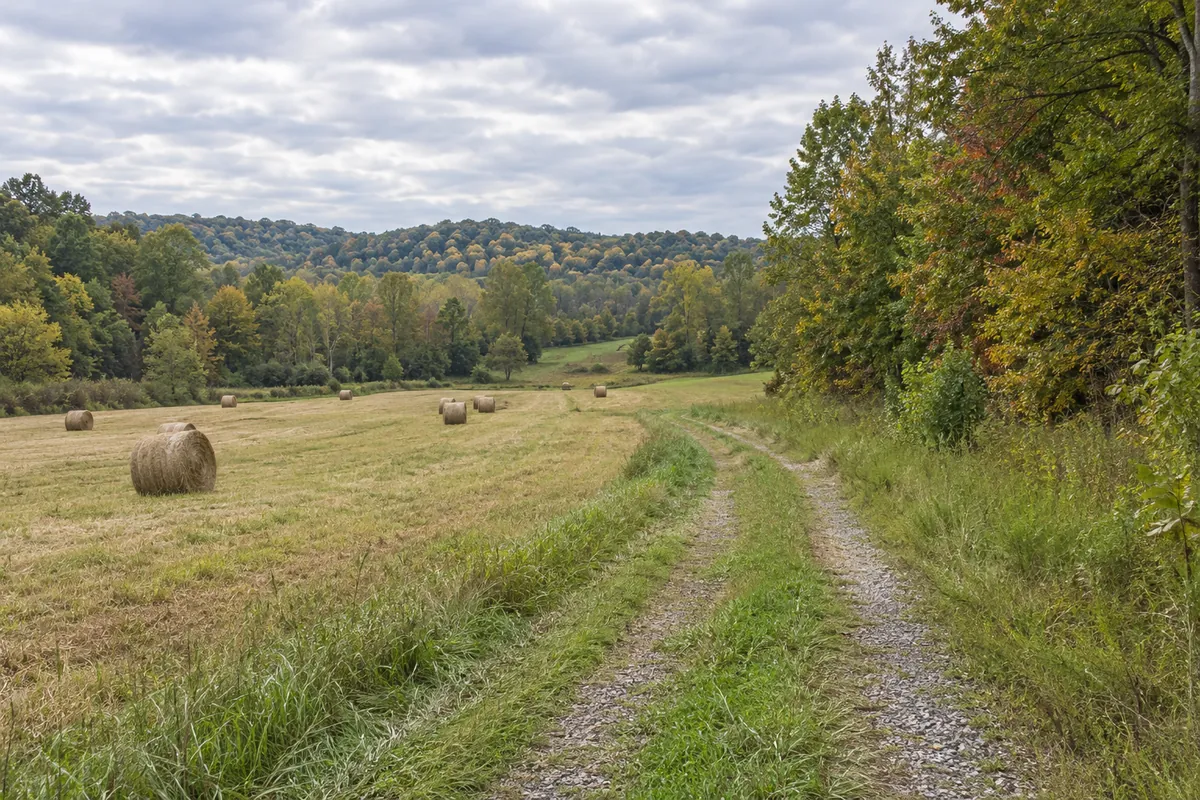
Find the land before comparing prices
Take a recent tax bill and write down the parcel number. It is the county's number for that piece of land. Check the acres and whether your sale would include one tract or several. Keep an old survey and deed if you have them.
The county's official resources page links to the Ohio County Property Valuation Administrator, often called the PVA. That is the local office to ask about the tax property record. A tax map helps locate the tract, but it doesn't settle a property-line question.
Check the location carefully when looking online. This guide is for Ohio County in Kentucky, not property in the state of Ohio.
Use the right deed-search option
The Ohio County Clerk's land-record page explains its online search options. The recording department number is 270-298-4423. Ask how to find a copy if your deed is missing.
The page separates a paid business search service from a limited free option for residents doing personal research. A business should not use the resident option as free business access. If you're unsure which route fits, ask the Clerk before signing up or paying.
You don't need an online subscription just to start a conversation about selling. Have the owner's name and any deed reference you know handy. Let the closing team tell you which papers they need.
Choose sales with the same kind of ground
A field, wooded tract and small roadside lot may attract different buyers. Start nearby, then check these details:
- Size: Compare tracts near your acreage. Small lots can cost more per acre than large ones.
- Access: Note road frontage, shared lanes and any papers about the right to use them.
- Ground: Compare open areas, woods, slopes and wet spots. An acre count doesn't show all of this.
- Buildings: Separate empty land from a sale with a house or barn.
- Use: Check known farm use or other agreements that may affect a sale.
Ask a local land agent why each proposed sale is a good match. A closer property isn't always the better match if it has very different features.
Make one line for each completed sale
Write down the date, parcel number, acres, sale price and what was included. Save the source and deed reference when available. The same sale can appear on several websites; count it once.
If one sale covered several parcels, check the total land included before dividing the price. If the price included a home, don't treat it as a land-only price.
Here is made-up math: a $90,000 land-only sale for 15 acres works out to $6,000 per acre. This is not an Ohio County market price. It only shows how to divide the numbers. Different access or ground could make that sale a weak match for your land.
Use the strongest matches to discuss a range. If an agent or buyer gives you one exact number, ask which sales and land details support it.
Describe features without guessing their value
Write down what you know about the entrance, fences, open ground and woods. Add photos of the main features. You don't have to clear the tract or order new work before asking about a price.
If you have farm-use, road, timber or other agreements, keep copies for the buyer and closing team. Don't assume that everything a buyer sees is included in the sale. Ask about any rights or items you are unsure about.
Your tax value is a useful record to check, not a buyer's offer. Check whether it includes buildings. If the tax bill has special farm treatment, ask how a sale or change in use could affect it rather than guessing a cost.
Compare offers and the money you keep
An agent can help market the land and handle calls. Ask about the fee and their land-sale experience. Selling yourself means choosing the listing and handling buyer questions. A direct buyer gives you another offer to compare.
Ask who pays closing costs, what checks the buyer needs and whether the offer could change. Ask whether a loan is needed and how much time the buyer wants. Request an estimate of the money you keep after agreed costs and amounts still owed.
If you're handling inherited land or helping settle a loved one's estate, gather the papers you have. Ask who needs to sign before setting a firm date.
For a direct offer to compare, tell Reelvest about your Ohio County land. Our land value guide offers more help with price comparisons.
Questions About Ohio County Land Value
Is my tax value the right asking price?
It is a record to check, not an offer. Compare similar completed land sales and check whether the tax figure includes buildings.
Are Ohio County deed searches free for businesses?
The Clerk separates a paid business service from a limited resident option for personal research. Ask which route applies; do not use the resident option for business access.
Why not use every nearby listing?
A listing is an asking price. Check whether it sold and whether its size, ground, access and buildings are like yours.
What if I cannot find my deed?
Ask the County Clerk recording department about a copy. Begin with the owner name and any older deed reference you have.
Local source links reviewed October 5, 2026.