
Start with the location, acres and the owners on your deed. Gather the papers you have, describe the land and compare ways to find a buyer. You can begin with a few basic details; you don’t need to have every answer before asking for help.
Tell us about your land. There’s no obligation to accept an offer.
Start with what you know. These steps will help you get ready and choose the way to sell that fits you.
Find a recent tax bill, deed and any old survey. Write down the parcel number, acres and closest road. A parcel is one piece of land in county records. List each piece if you want to sell several together.
If you’ve lost your deed, the Sedgwick County Register of Deeds FAQ explains how to get a copy. Call 316-660-9400 with the owner’s name and any old document number. The main office is at 100 North Broadway, Suite 105, in Wichita.
The county’s online land record guide explains its search choices. Some records may not be viewable online. It also lists public computers in the office and paid online services. Ask about the copy you need before buying a subscription.
Save the deed and tax bill together. If the names or acres don’t match, keep both and ask the closing team to check. A deed copy helps identify the land; it doesn’t settle every ownership question on its own.
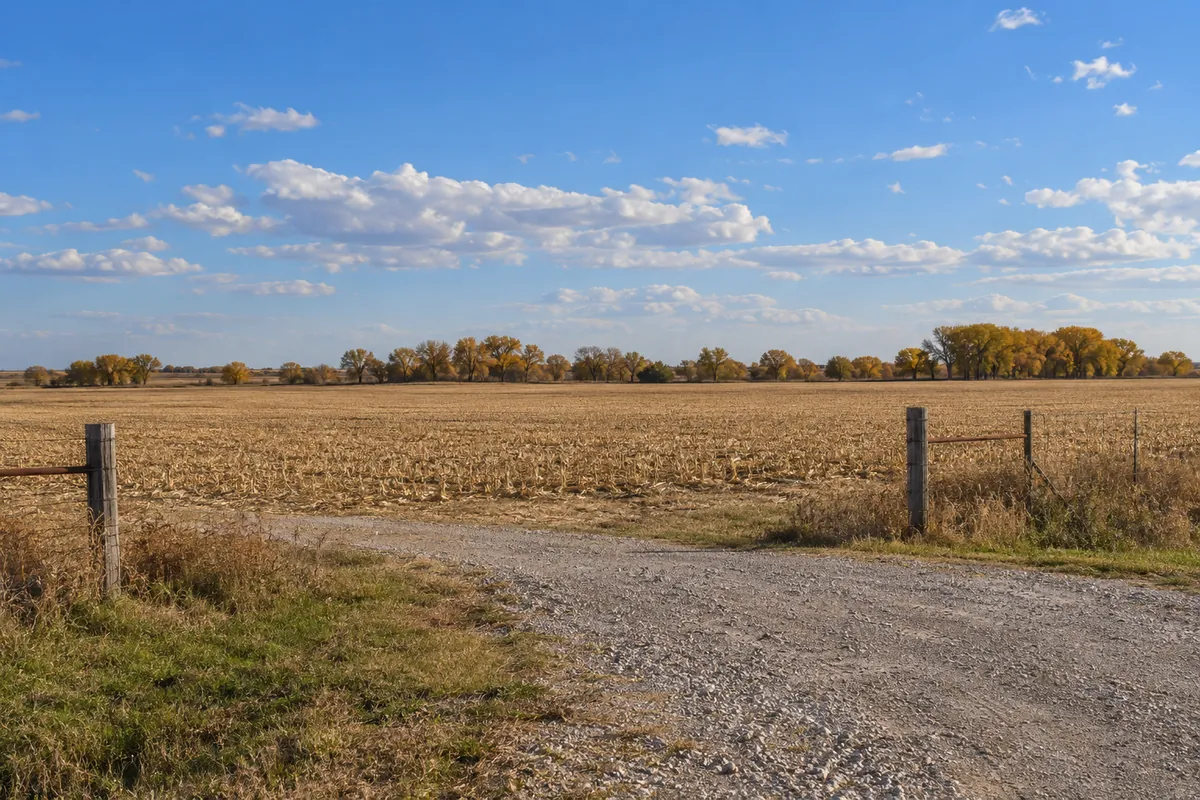
Take photos of the entrance and the main parts of the land. Give directions to the correct gate or driveway. Empty land may not have a street address; don’t guess one just to fill a listing.
The county’s mapping page links to Mobile Land Records. The county says you can find land by address, parcel number, street intersection or map location. Use that to help show where the land is.
The county says its map boundaries are mainly kept for tax purposes. A map line isn’t a boundary survey. Share any old survey and written road-access papers. If you cross someone else’s land, explain that route and what permission you have.
The same county page explains where to find the Flood Plain map layer. Use it to spot a question to check, not to promise that all of your land is dry or ready to build. Share water or drainage issues you already know about.
For farm ground, describe who uses it and gather any crop or grazing agreement. List barns, fences, equipment and crops that stay or go. For woods or open recreation land, share any hunting or tree-cutting agreement.
A lot near Wichita and a larger rural tract may suit different buyers. Describe the existing use, entrance and service you know about. You don’t have to plan a new development just to offer the land for sale.
Ask a local land agent for recent completed sales that fit your property. Compare the nearby area, acres, entrance, current use and buildings. Keep bare land apart from a house sale. A listing price shows what an owner hopes to get, not what a buyer paid.
The county’s property records guide explains which offices handle land records, tax values and bills. Keep the tax value separate from your asking price. Use similar sales and the land’s features to build a price range.
Choose based on your schedule and the work you want to handle. You can ask about a direct offer while deciding whether listing makes more sense for you.
Check that the written offer names the right land and included items. Read the price, deposit, time for buyer checks and planned closing date. Ask what allows cancellation or a request to change the price.
Find out who pays each cost. Ask how a loan balance or unpaid taxes would affect your payment. Have unclear terms explained before signing.
Here’s a made-up example: a $60,000 offer with $5,000 in seller costs leaves $55,000 before other debts. A $58,000 offer with $1,000 in seller costs leaves $57,000. The higher price doesn’t always leave you with more money.
Use our land offer worksheet to put terms side by side. These amounts show the math, not a Sedgwick County price estimate.
Closing is when the final papers are signed and the money is paid. Ask who will handle it, what they need from you and how payment will arrive. Read the final cost breakdown before the appointment.
Tell the closing professional about other owners or missing papers early. If you’re handling inherited land or helping settle a loved one’s estate, bring the deed and estate papers you already have. An attorney or closing professional can help work out who needs to sign.
Our seller document checklist and Kansas seller guide can help you prepare. If you’d like a direct offer to compare, tell Reelvest what you know about your land. You decide whether it fits.
Yes. Start with the location, acres if known and any deed or tax bill you have. A local records office or closing professional can help you find what is missing.
Not just to begin. Take clear photos and describe the land as it is. Ask an agent or buyer what work would help before paying for clearing, repairs or a new survey.
Gather the deed and estate papers you have. An attorney or closing professional can help check who needs to sign. You can ask questions while the papers are being sorted out.
Ask for a target date and a list of checks that still need to be finished. Missing records, buyer conditions or signatures can change the timing. Review the terms before agreeing to a date.
Local source links reviewed October 5, 2026.