
Start with your land's location and the papers you have. Then choose an asking range, find a buyer and compare the terms before signing. You can start with missing details, and you can choose an agent, sell yourself or compare a direct offer.
Tell us about your land. There’s no obligation to accept an offer.
Start with what you know. These steps will help you get ready and choose the way to sell that fits you.
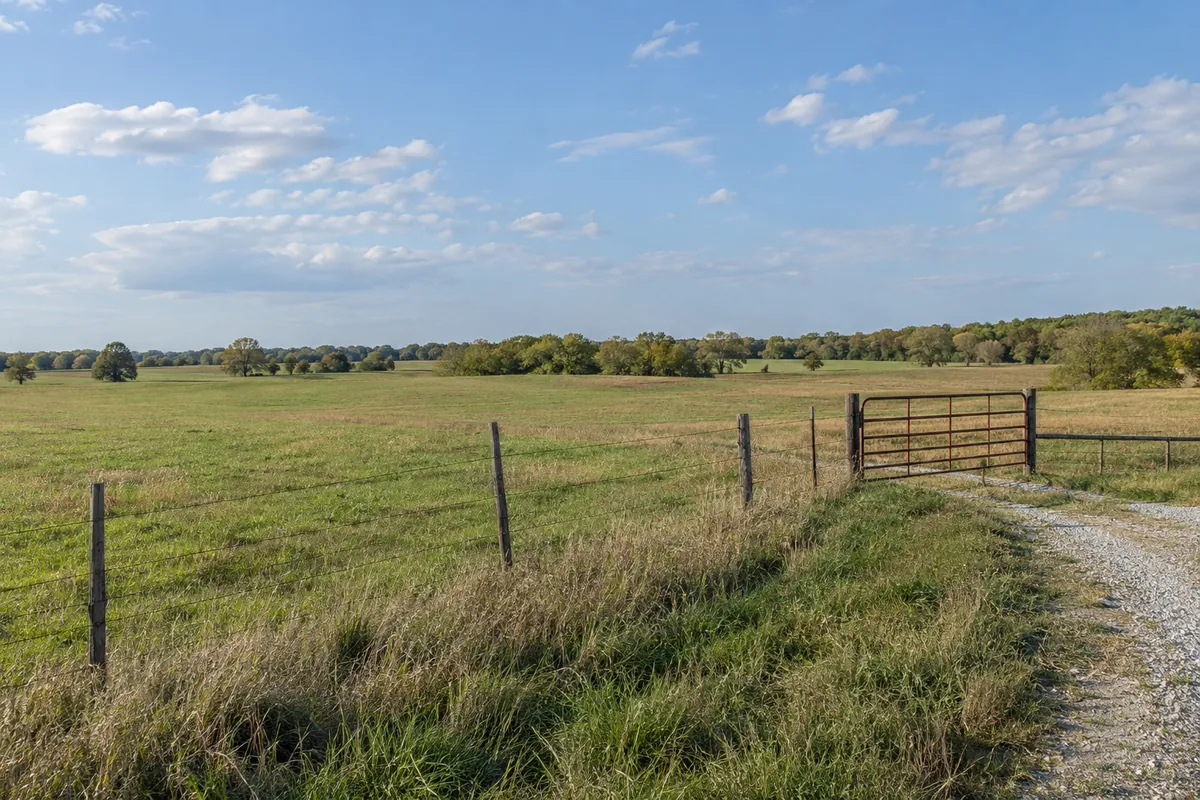
Start with a tax bill, deed or old survey. Find the parcel number if you can. That's the county's number for your piece of land. Write down the acres, closest road and names of the owners.
If the land has no street address, don't guess one. A parcel number and map pin can help an agent or buyer find it. If you're selling several pieces, list each parcel and say whether you want to sell them together.
You can start with missing details. Keep a short list of what you know and what needs checking. You don't need a perfect set of papers before talking about selling.
The Linn County Appraiser links to parcel maps and a parcel search. Call 913-795-2523 if you need help finding your land.
The linked parcel service has a public entry and a registered-user login. The public entry asks you to accept a record-use statement before searching. You can call the office instead.
Match the record to your papers. Save the parcel number, acres and map. Ask about any difference before listing the land. A map helps locate land; it isn't a survey or ownership check.
The Appraiser values property for taxes. Agricultural land uses state-provided values. Keep tax values separate from a buyer's offer or your asking price.
Keep your deed, tax bill, survey, loan details and any written lease in one place. Add agreements about using a road or crossing other land. If someone farms, rents or uses the land, save the agreement you have.
Need a deed copy? The Linn County Register of Deeds keeps deeds, mortgages, recorded surveys and other land documents. Call 913-795-2226 and ask what details are needed to find the copy and what it costs. The office is at 315 Main Street in Mound City.
The office says it can't use a street address to determine the legal description. That's the written description of the land in the deed. Keep an old deed reference or parcel paperwork handy when you ask for help. A title company can also help locate the right document.
If you're handling inherited land or helping settle a loved one's estate, gather the estate papers you already have. Ask a title company or attorney who needs to sign. You don't need to put private family details in a public listing.
Use our land seller document checklist to mark what you have and what is missing.
Help a buyer understand what they would be getting. Write down:
Say when you don't know an answer. You don't need to plan the buyer's future project to start selling. Don't describe a lot as ready for a house just because a house is nearby.
If an old permit or use question matters to the sale, keep the papers you have. The county's Planning & Zoning page lists 913-795-2422 for land-use and related questions. Ask which office handles your exact location before promising a use to a buyer.
Ask a local land agent or appraiser for recent completed sales of land like yours. Compare the size, location, way in, land condition and anything included in the price.
A small town lot and a large rural tract may be poor matches. A house-and-land sale doesn't show a land-only price. An active listing shows what a seller hopes to get, rather than what a buyer paid.
If the land is farmed, gather your lease and what you know about its use. Keep those facts separate from guesses about a buyer's future income. Ask why each suggested sale fits your land.
Check whether one sale covered several parcels. Save the parcel and deed details so the same deal isn't counted more than once. If good matches are scarce, ask for a range and an explanation rather than a precise guess. Our land-value guide can help.
List with a land agent: Ask about the price, fees, photos, showings and plan for reaching buyers. Ask how you'll get updates if you don't live nearby.
Sell it yourself: You handle the listing, calls and buyer questions. Use a checked location and clear photos. Decide how people can visit safely and with permission. Get help with the sale papers when you need it.
Compare a direct offer: A land buyer can give you a price and terms to compare with your other choices. Check the costs, buyer's review steps and planned closing date.
If you'd like an offer from Reelvest, tell us about your land. Start with what you know. We'll review the details and let you know whether we can make an offer. You decide whether it works for you.
Get the offer in writing. Check that it covers the right parcel and the land you mean to sell. Ask who pays each cost and which debts or fees come out of your payment.
Made-up example: A $40,000 price with $3,000 in seller costs leaves $37,000 before any loan payoff or taxes. The headline price isn't the whole result. These numbers aren't an estimate for Linn County land.
The County Treasurer handles property-tax statements and payments. Its page links to an online tax search and lists 913-795-2227. Ask about an unclear bill. Have the closing team check the current amount that would need to be paid, rather than relying on an old statement.
Also ask what the buyer must check, when they can cancel, what happens to the deposit and whether the price can change. Use our offer comparison worksheet to keep the answers side by side.
A title company or attorney can help check ownership and prepare the sale papers. Ask what they need from you, who must sign and which issues still need to be settled.
If you live away from Linn County, ask early how you'll receive and sign the papers. Confirm payment instructions using a trusted phone number. Be careful with a surprise email telling you to send money somewhere new.
Review the final price, costs and payoffs. Keep copies of the signed agreement and closing papers. Ask for a target date and the steps still needed to reach it. Missing records or signatures can affect timing.
For more general help, read our Kansas land seller guide. You can also contact Reelvest to discuss a direct sale.
Start with the land's location, acres if known and names of the owners. A tax bill, deed, parcel number or map helps. Mark anything missing; you can begin asking about selling without every answer.
Start with your tax bill or deed, or use the County Appraiser's linked parcel service. Call 913-795-2523 for help.
Call the Linn County Register of Deeds at 913-795-2226. Ask what details are needed to find a copy and what it costs. Keep an old deed reference or parcel paperwork handy; a street address alone may not be enough.
You can start with the papers you have. Share an old survey if available and say what is missing. Ask the closing professional whether a new survey is needed for the sale before paying for one.
No. Tax values serve a different purpose. Compare completed sales of similar land to discuss a selling range. Ask the Appraiser about unclear figures.
Keep the lease or agreement you have and tell the agent or buyer about it. Ask how it affects visits, what is included in the sale and the planned closing date. Don't promise that the buyer can take over right away without checking.
Yes. Gather the papers you have and list the other owners. Ask the closing team who needs to sign and how you can receive the papers. If you're helping with an estate, keep those papers together too.
Compare the money you keep, buyer's checks, cancellation terms and planned closing date. Get price and costs in writing. You can compare an agent's plan, selling yourself and a direct offer before choosing.
Local source links reviewed October 7, 2026.