
To sell your Ida County land, start with the location, papers and photos you have. Check what is included, compare similar land that has sold, and choose how to find a buyer. You can get started before every paper is found.
Tell us about your land. There’s no obligation to accept an offer.
Start with what you know. These steps will help you get ready and choose the way to sell that fits you.
Write down the nearest road, a map pin and the acres if you know them. Gather your latest tax bill, deed copy, photos and any survey. Start a second list for papers you still need.
If you own several pieces, list each one. Put its parcel number beside the right papers. That is the county’s ID for the land. Say whether you want to sell the pieces together or on their own.
Make a short list of what comes with the sale. Does it include only fields, or also a home, barn, bins, fences or a well? If you plan to keep equipment, say so. Clear details keep a buyer from guessing what the price covers.
The Ida County Assessor’s website links to the county’s Beacon property map. The Assessor keeps property details and values used for taxes. A recent tax bill can help you match the record to the right piece of land.
Call the Assessor at 712-364-3622 if you need help finding a record. Have the owner name, nearest road and any land number ready. Vacant land may not have a street address. Use the map pin and land number rather than guessing one.
Check the acres, location and buildings against your deed and any survey. Ask about anything that does not match. A county map helps you find the land. It does not replace a survey that checks the boundaries.
Keep the tax value separate from your asking price. The Assessor’s explanation of its work says farm ground is valued for taxes based on its ability to earn farm income. That number is not a buyer’s offer. The Assessor also does not collect tax payments; the Treasurer handles the bill.
A deed is the paper used to transfer ownership. Look through your purchase or family papers for a copy. A missing copy does not mean you have to stop asking about a sale.
The Ida County Recorder keeps deeds, mortgages, surveys, access papers and other land records. Its page links to Iowa Land Records for public searches.
Call the Recorder at 712-364-2220 if you need help finding the right deed. Give the owner name and any deed reference you have. Use the land number to help explain which piece you mean. Ask how to get a copy and what it will cost.
If you cannot find a paper online, ask the office for help. An empty search does not prove there is no record. Ask the closing team whether a regular copy is enough or it needs a certified copy, an official checked copy.
Keep any old loan release, survey or written access agreement with the deed. You do not need to write a new deed yourself. Ask the closing team or attorney who will prepare and record the sale papers.
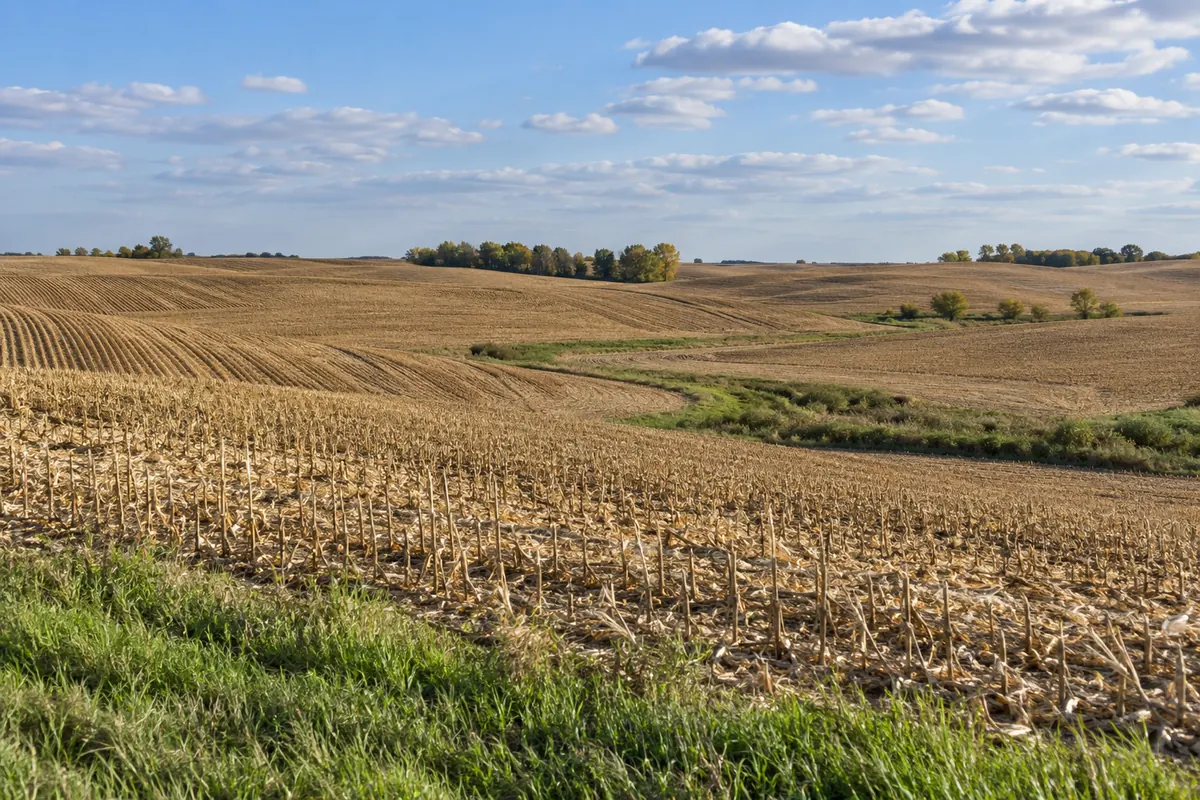
Take clear photos of the entrance, fields, woods and buildings. Include wide views that show the shape of the ground. Share a survey if you have one, and point out any boundary you are unsure about.
Write a short description of what you know:
If someone farms the land, find the lease or write down what you know about the agreement. Ask who owns the current crop, when it will be harvested and who receives any unpaid rent. Share those questions with the buyer and closing team.
Do not promise empty land on closing day if a renter still uses it. Have the agreement reviewed before setting the date or promising when a buyer can take over. A sale does not mean you can ignore an existing lease.
Separate working services from lines that are only nearby. If a buyer wants to build, share the records you have. Avoid promising approval for a house based on what a neighbor built. You do not have to plan a buyer’s project just to start selling.
Ask a local land agent or appraiser for recent completed sales that fit your land. Compare the size, entrance, farm use and amount of usable ground. A small lot near Ida Grove or Holstein may be a poor match for a larger tract of working farmland.
Keep asking prices separate from completed sales. An asking price is what someone hopes to get. A completed sale shows what a buyer paid. A listing that disappears does not prove its sale price.
For farm ground, ask how much of each sale could actually be farmed. Fields, pasture, wet ground and wooded areas can have different uses. Do not multiply every acre by a county average and assume that is your price.
Check what came with each deal. A farm sold with a home, bins or a shop is not a sale of bare ground alone. If several pieces sold together, use the full price and all included acres. Count one deal once.
Keep the closing date, land numbers, deed reference and price source beside each example. Ask the agent or appraiser which differences matter and why. Our land value guide helps you build a useful comparison sheet.
You can list with an agent, sell on your own or compare a direct buyer’s offer. Choose the amount of work, cost and timing that fits you.
If you’d like a direct offer to compare, tell Reelvest about your Ida County land. Start with what you know. You decide whether an offer works for you.
Get the price and seller costs in writing. The largest offer is not always the most money left after loan payoffs, taxes and fees.
Here is made-up math: a $90,000 offer minus $3,000 in seller costs and a $1,000 tax payment leaves $86,000 before any other debts. These are examples, not Ida County fees or a price for your land.
Ask about the deposit, buyer’s checks, any right to cancel and the proposed closing date. If the land is rented or has a crop growing, ask how the written deal handles rent, harvest and when the buyer can use it. Get help with a term you do not understand before signing.
The Ida County Treasurer handles property tax bills and payments. Call 712-364-2625. Have your land number, latest bill and payment receipts ready. Ask what is still owed and whether a recent payment is included.
Ask the closing team how taxes will be divided in the sale, what will come out of your payment and who will pay any bill still due. A credit on a closing statement and a paid tax bill are different things. Ask for the final statement and payment record.
If you have a tax notice with a deadline, ask the Treasurer about it promptly. Use our land offer worksheet to put the money and terms side by side.
After an agreement is signed, the closing team checks records and helps prepare the sale papers. A title search checks ownership and recorded claims. Ask who will handle it and which questions still need answers.
List shared owners and any loan, lease or access paper. If you’re helping settle a loved one’s estate, gather the papers you have. Ask the closing team or attorney who needs to sign and what else is needed. You don’t have to work out every question alone.
Ask the closing team who will prepare the deed and handle recording it with the Recorder. Ask a title company, lender or attorney about a change to ownership or a document you don’t understand.
Before closing, ask for a statement showing the price, payments and seller costs. Check that it covers the right land. Ask how you will receive payment, keep copies and confirm the next steps if something is still unresolved.
For more help, see our document checklist and Iowa land seller guide. You can also contact Reelvest if you want to discuss a direct sale.
Start with the location, a recent tax bill, photos and any deed or survey you have. List the pieces and buildings included, other owners and any farm lease. You can ask about selling before every paper is found.
Use the land number on your tax bill, the nearest road and a map pin. Ask the Assessor at 712-364-3622 for help finding the property record. Check the location rather than guessing an address.
Start with the Recorder’s page or call 712-364-2220. Have an owner name and any deed reference ready. Ask for help finding a copy if the online search does not show the paper you need.
Call the Treasurer at 712-364-2625 for a bill or payment question. The Assessor at 712-364-3622 handles property details and values used for taxes. A tax value is not a buyer’s offer.
Gather the lease or other agreement. Write down what you know about crops, rent and when the renter can use the ground. Have the agreement reviewed before promising when a buyer can take over.
You can ask about your choices while gathering the estate papers you have. The closing team or attorney can help work out who needs to sign and what documents are required. You do not have to work out every question alone.
No. You can compare listing with an agent, selling yourself and a direct buyer’s offer. If you ask Reelvest for an offer, you decide whether it fits you.
It depends on the written agreement, buyer’s checks and any ownership, lease or record questions. Ask for a proposed date and a list of unfinished steps. Missing papers or signatures can affect timing.
Local source links reviewed October 4, 2026.