
Start with recent sales of land like yours. A farm field, a wooded tract, and a small home lot can have very different prices. Match the size, access, and likely use before you pick an asking price. Then compare your sale costs and the time you can wait.
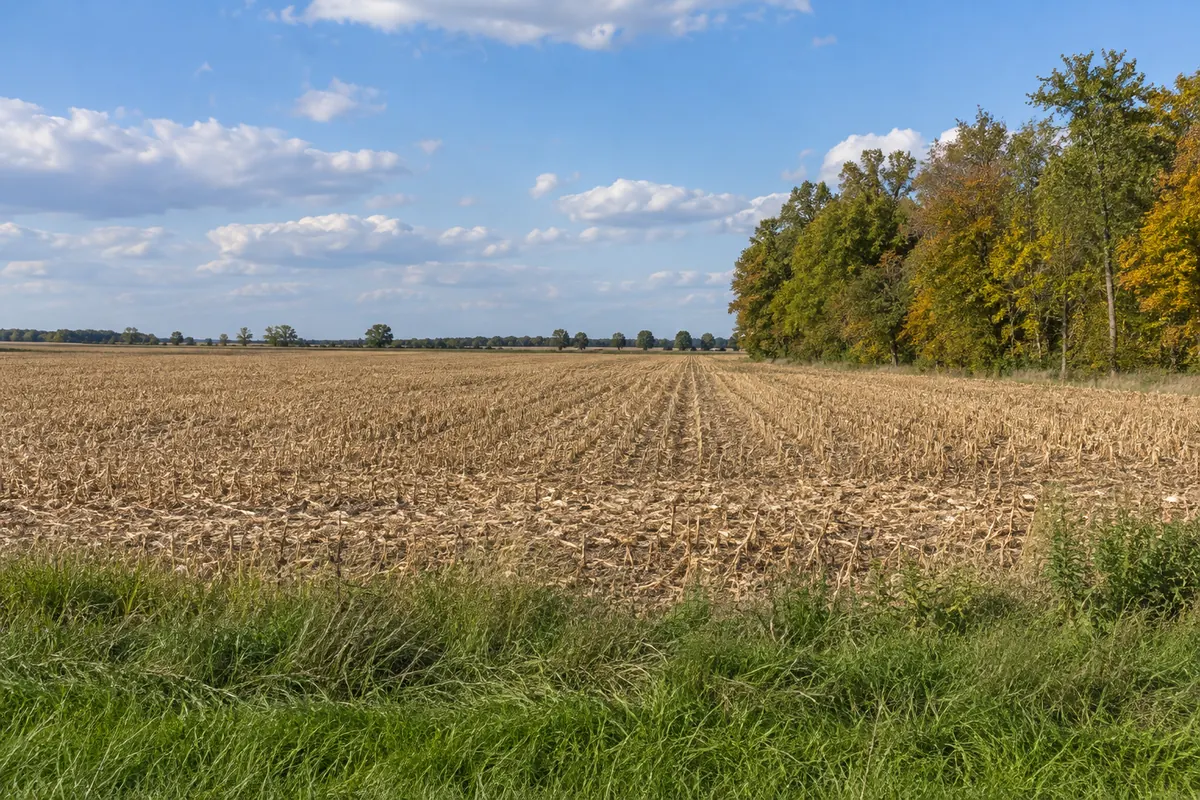
Start With the Land You Have
You don’t need every answer today. Put your tax bill, deed, and any old survey in one place. Write down the acres, nearest road, and what’s on the land. Note any house, barn, crop lease, or shared driveway. Those details can change which sales are worth comparing.
Think about who might buy it. A farmer may focus on usable field acres. Someone who wants a home may focus on the road, water, and whether a home is allowed. A buyer looking for woods may care about trails and year-round access. Choose comparisons that fit that same need.
Find Your Land and Nearby Sales
Use the county’s property record page to reach Beacon, its property and map service. Find your parcel—the piece of land listed in the tax records. Save its number, listed acres, and map. Check that you’re looking at your land, not a nearby address.
The county also links to a guide for finding sales in Beacon. Free public computers are available in the Auditor’s office on the second floor at 20 North 3rd Street in Lafayette. The value listed for taxes is not a buyer’s offer.
A recent sale may take time to appear
The county’s sales disclosure page explains that entered records are posted the following Monday. Forms can take a few weeks to process first. If a sale is missing, don’t assume it never closed. For help with those records, call the Assessor at 765-423-9255.
Choose Sales That Really Match
A sale close to your land is useful only if the buyer got something similar. Start with three to five sales you can check. Use fewer if that’s all you can verify. Don’t fill gaps with guesses.
- Same kind of land: Compare farm ground with farm ground, woods with woods, and home lots with home lots. Keep sales with houses or major buildings in a separate group.
- Similar size: A half-acre lot and a 40-acre field serve different buyers. Their price per acre may not mean the same thing.
- Similar access: A public road and a shared lane aren’t the same. Ask whether a written right to use the lane is included.
- Similar usable space: Wet ground, steep banks, and narrow shapes can leave less room for a buyer’s plans. For a field, ask about drainage and any lease.
- Similar location and use: A lot near Lafayette or West Lafayette is not automatically a match for rural farm acres. Check the actual setting and the rules for the buyer’s plans.
Listing prices show what sellers hope to get. Closed sales show what a buyer paid. Keep them separate in your notes. If you can’t find enough good matches, ask a local land agent to explain the sales they’d use and why.
Check What the Sale Included
One sale can cover several pieces of land. A price beside one parcel may belong to the whole deal. Repeated prices don’t prove that separate sales happened. A deed tells you what land changed hands; the sale record helps you check the price. Read them together.
For a deed or recorded land agreement, start with the Tippecanoe County Recorder. The office is on the second floor at 20 North 3rd Street, Lafayette. Call 765-423-9352 for copy and access questions.
The Recorder doesn’t provide searches or recording details over the phone. If you need help finding a record, you can visit, send someone, or ask a title company. Online searches can have fees. For a mailed copy, you’ll need the recording number or book and page numbers. Confirm the cost before ordering.
Check for buildings and other items included in the deal. A price that looks unusually low or high needs more review. Leave it out of your price range if you can’t explain it.
Make a Simple Price Sheet
Use one row for each checked sale. Write the date, full price, total acres sold, buildings included, road access, and main difference from your land. Add where you found the record. A few solid rows are more useful than a long list of uncertain prices.
Divide by all the acres in the deal
Made-up example: One buyer pays $180,000 for two parcels: 10 acres and 20 acres. The deal covers 30 acres. Divide $180,000 by 30 to get $6,000 per acre. Dividing by just the 10-acre parcel would give $18,000 per acre and a misleading comparison. These numbers are not a local sale or an estimate for your land.
Next, write why each checked sale is a stronger or weaker match. Don’t add a fixed dollar amount for a driveway, trees, or a barn without support. A local agent can help explain those differences. Use the best matches to build a likely range rather than claim one exact value.
Choose a Price and a Way to Sell
If you can wait and want to reach more buyers, compare agents who sell land in the area. Ask for their price plan, likely costs, and how they’ll answer buyer questions. If you sell it yourself, plan for photos, calls, showings, and help with the closing paperwork.
A direct offer gives you another number to compare. Ask who pays each cost, when the buyer can close, and whether the offer depends on more checks. Compare the money you keep and the terms, not just the headline price.
Subtract sale costs and amounts you still owe from each offer. If you inherited the land, you don’t have to sort out every paper alone. A title company or local attorney can help you learn who needs to sign. Take that step before making promises about a closing date.
For more help getting ready, see the Tippecanoe County seller guide and land seller document checklist. If you’d like a direct offer to compare, tell Reelvest about your land. You decide whether it fits your plans.
Questions About Tippecanoe County Land Value
Can I use the tax value as my asking price?
Use it as background, not as the final answer. Check closed sales of similar land and what buyers would be able to do with your parcel. A tax record alone doesn’t show what a buyer will pay.
Why can’t I find a sale that just closed?
The county says sales disclosure forms can take a few weeks to process. Records entered during a week are posted the following Monday. Ask the Assessor for help before treating a missing record as proof that the sale did not happen.
Should I price farm ground like a home lot?
Compare them separately. A farmer and a home buyer may want different things. Look at the usable acres, road access, and likely use before comparing prices.
Do I have to sell to Reelvest to use this guide?
No. Use these steps whether you work with an agent, sell it yourself, or compare direct offers. You can ask Reelvest about an offer if you want another choice.
Local source links reviewed October 6, 2026.