
Start with what a buyer could use the land for. In Posey County, crop ground, woods and a home lot may need different sale matches. Check the usable acres, access, drainage and site records before judging an offer by price per acre. A clear folder can show which concerns are known and which still need a check.
Match the parcel and sale records first
The Posey County Assessor’s page links to the county GIS map and lists a sales-disclosure contact. GIS is the online map that helps you locate the land. A sales disclosure records details about an ownership transfer.
Find your land ID on a tax statement, then check the acres and location. Save the property card if available. When looking for sale matches, ask the assessor how to check dates, prices and what the transfer included.
The Recorder’s Office lists Tapestry and Laredo record-search services. Ask how to find a deed, filed survey or access paper. Check any service fees before ordering records.
For each possible match, confirm these facts:
- It was land with a use like yours, rather than a house price counted as bare land.
- The price covered the acres you are using in the comparison.
- If several land IDs changed hands together, you have counted the whole deal once.
- The transfer was a useful open-market sale, not an unexplained family or part-interest transfer.
Count usable ground, not just the total acres
Ten acres of open farm ground may be a poor match for ten acres split by woods, a wet area and a steep bank. Neither is always worth more. The buyer’s use matters, and so does the work needed.
- Farm ground
- Compare the acres a farmer can work, field shape, equipment access and drainage. Note leases and whether buildings or equipment were part of the sale.
- A home lot
- Compare room for the home, access, water and sewer or septic plans. A large tract with no checked home site may not fit a small lot with fuller records.
- Woods or recreation land
- Compare access, terrain, wet ground and the buyer’s planned use. Don’t turn total wooded acres into a timber price without a separate review.
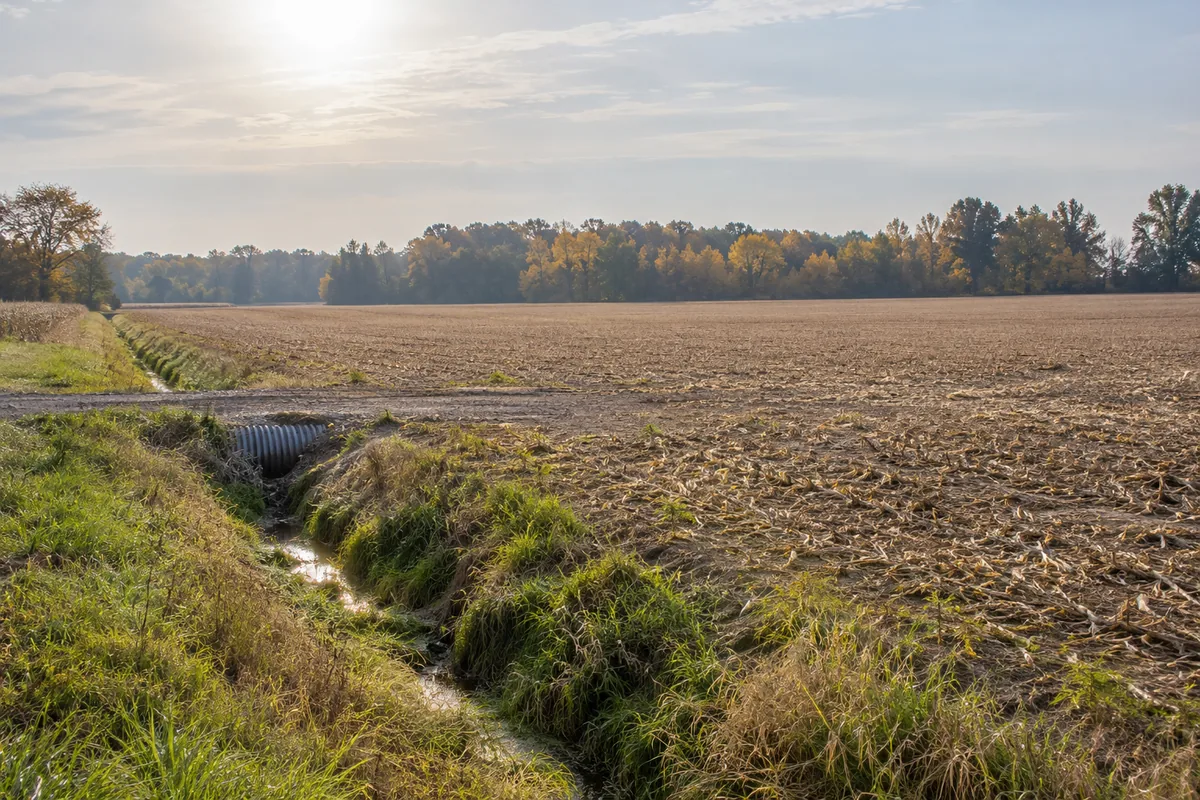
For a farm comparison, ask about wet spots and past drainage work. Keep soil maps, invoices or other records you already have. They can help explain the ground, but a map alone won’t show how it performs after heavy rain.
Check the flood map and the planned site
Open the state’s Indiana Floodplain Information Portal. It brings together FEMA and state flood information. You can select a point and create a Floodplain Analysis and Regulatory Assessment, or FARA. This report helps with flood-review questions.
Check the place where a buyer plans to build, the driveway route and any stream crossing. Don’t stop at one pin in the middle of the land. Save the report and map with the date and marked location.
If a stream has no mapped flood area, ask for review rather than assuming there is no issue. The state portal explains how to submit a site for review when the map or report needs a closer look.
The state’s water-permit page links to a Waterways Inquiry Request. It helps landowners ask which permit may fit proposed work. A floodway is the part of a waterway used to carry floodwater. If your plan adds fill, changes a crossing or builds near water, ask about both state and local review before pricing that work.
Ask what drainage records cover the land
A visible ditch doesn’t tell you who maintains it or what work is allowed. Mark the ditch or known buried drain on a sketch. Ask the County Surveyor’s Office which records apply and whether another office should review a crossing or drainage change. The office also offers a request route for section-corner survey maps. Those maps help surveyors locate parts of the land-survey grid.
Useful questions are: Does a recorded drain or access right affect this tract? Are there related charges or maintenance papers? Would a new driveway cross it? What should a buyer check before changing the ground?
Keep any answer with the offer folder. If work is needed, get an estimate for that work. Avoid treating all land beside a ditch as having the same cost or value.
Keep land-use and septic checks separate
The Area Plan Commission handles questions about zoning, lot splits, land-use permits and mobile homes. Its permit guidance asks for a land description and a plot plan showing buildings, roads and distances to property lines. Ask which current rules and office apply to your location and planned use.
A filed survey or land-use plan doesn’t settle the septic question. The county’s Building Commissioner page directs county septic and sewer permit questions to the Health Department.
Posey County Environmental Health lists sewage-permit services. Ask what soil report, design and review would be needed for the proposed home. Indiana’s onsite sewage program also provides soil-evaluation resources and a registered soil-scientist directory. Septic is a system that treats wastewater on the property.
Gather the actual papers you have and mark their location on the map. Ask what an old report still supports. A neighbor’s system or a nearby sewer line doesn’t answer whether the proposed site can be served.
Build a fair offer comparison
Put your land and each checked sale on a short sheet. For each, write the acres, likely use, access, usable ground and records. Then add the offer terms below.
- Money you keep
- Start with the price. List costs you pay, such as survey work, closing charges or a loan payoff. Mark estimates clearly.
- Unfinished checks
- List flood, drainage, soil or use questions. Write who will check them, who pays, and when the answer is due.
- Buyer conditions
- Write when the buyer can cancel and what must happen before closing.
- Known work
- Use a written estimate for a driveway or other needed work. Avoid a made-up percentage off the price.
For example, two similar tracts may have different entrances. One sale included a usable field entrance; yours needs a crossing checked. Explain that difference and get an estimate before deciding how much it matters.
For an offer, start with your land ID, acres and what you know about access and drainage. Add any deed, map, lease and home-site papers. We can review the details and discuss whether a direct offer could work for you.
See the Posey County seller guide, our Indiana guide and the document checklist for help getting ready.
Questions About Posey County Land Value
Does every acre count the same when comparing Posey County sales?
No. Compare the ground a buyer can use for the same purpose. Field shape, access, wet areas and home-site records can make two equal-sized tracts different matches.
Does an unmapped stream mean there is no flood concern?
No. Indiana’s flood portal provides a route to ask for site review when a stream or map needs a closer look. Check the intended building site, driveway and crossing, not just one point.
Does a land-use permit settle the septic question?
No. Ask Area Plan about land use and the Health Department about the proposed waste system. Gather the actual site and soil papers rather than relying on a nearby home.
What drainage details should I share with a buyer?
Show known ditches, buried drains, wet spots and past drainage work. Add the records you have, then ask the Surveyor’s Office where to check missing information or a planned change.