
Start with the land’s location, acres and owners. Gather the papers you already have, compare prices and choose how to find a buyer. Then review the written offer and get help finishing the sale. You can begin even if some old papers are missing.
Tell us about your land. There’s no obligation to accept an offer.
Start with what you know. These steps will help you get ready and choose the way to sell that fits you.
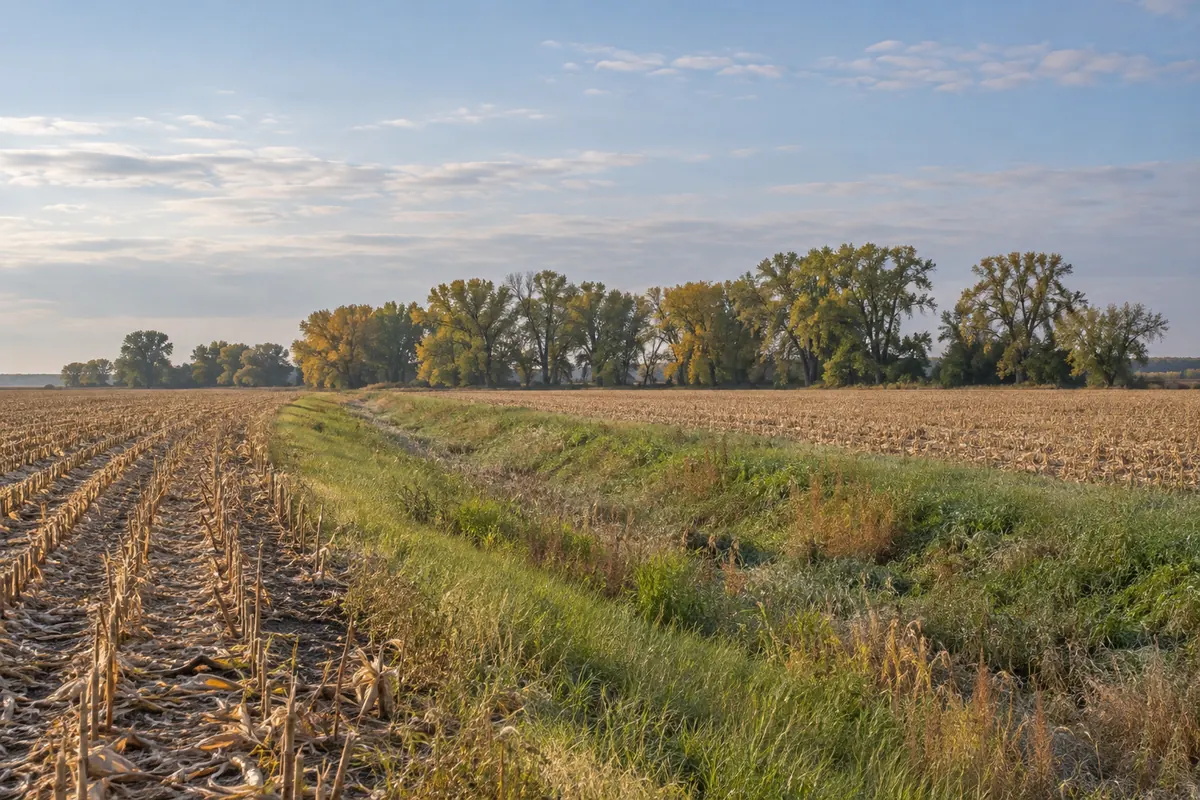
Find a recent tax bill, deed and any old map or survey. Note the property number and names of the other owners. If you’re selling more than one piece of land, write down which pieces go with the sale. A map pin and nearest road can help when there’s no address.
The Madison County website links to property tax, real estate assessment and map searches. These help you locate the land and check its record. A tax value isn’t the same as the price a buyer will pay today.
The Madison County Recorder maintains deeds and other land records. Its page explains copy requests. Keep the document’s recording number handy if you have it. If you don’t, ask the office how to locate the record; a copy request isn’t a full ownership search.
Tell buyers how you reach the land and whether the route crosses another owner’s property. Share any written right to use a shared road or lane. Describe open fields, woods, slopes or areas that stay wet after rain.
If someone farms the land, share any lease and what you know about the current crop. Ask how the sale would handle the crop and the farmer’s use of the land. Don’t assume a buyer can take over an empty field at any date they choose.
For a lot, explain what you know about water or sewer service. It’s fine to leave unknowns for the buyer to check. You don’t need to pay for clearing or plan a buyer’s project before asking about a sale.
Ask a local land agent for recent closed sales of land like yours. Compare the acres, road access and main use. Farm ground, a home lot and a wooded tract need different comparisons. Asking prices show what sellers want; closed sales show what buyers paid.
Choose based on the time and work you want to put in as well as the price. You don’t have to accept an offer just because you asked for one.
Read the offer’s property description, price, deposit and deadlines. Ask how long the buyer has to inspect and what lets them cancel. If there’s a farm lease or crop, make sure the written terms explain how it will be handled.
Ask who pays each closing cost. Estimate the money you keep after seller costs, unpaid taxes or a loan balance. As a made-up example, a $50,000 offer minus $3,000 in seller costs leaves $47,000 before other debts. That helps compare terms; it isn’t a price estimate for your land.
Our land offer worksheet helps you compare offers. If a term is hard to understand, get it explained before signing.
Closing is when the sale is finished, the deed is signed and the money is paid. Ask who will handle it, what papers they need and how you’ll receive the money. Mention a loan, other owners and missing records early.
If you’re handling inherited land or helping settle a loved one’s estate, bring the deed and estate papers you already have. A closing professional or attorney can help determine who needs to sign and what else is needed. You don’t have to sort it all out alone.
Our land seller document checklist helps you gather the basics. The Illinois seller guide answers broader questions. If you’d like a direct offer to compare, tell Reelvest about your land.
Yes. Start with a tax bill or the land’s location. The Madison County Recorder’s page explains copy requests. If you don’t know the recording number, ask how to find the record.
Share any lease and what you know about the current crop and use of the land. Ask how those will be handled in the sale. Don’t promise a move-out or possession date you haven’t checked.
You can ask about selling it as it is. Share photos and what you know. Ask whether clearing would help before spending money; a buyer may prefer to keep the trees.
Check seller costs, unpaid taxes or a loan balance, inspection and cancellation terms, and the closing date. Compare the money you keep and the work needed to finish each deal.
Local source links reviewed October 4, 2026.