
Start with your tax bill, deed and what you know about the land. Find your parcel, compare useful sold land and choose how you want to find a buyer. Then get the price, costs and closing steps in writing.
Tell us about your land. There’s no obligation to accept an offer.
Start with what you know. These steps will help you get ready and choose the way to sell that fits you.
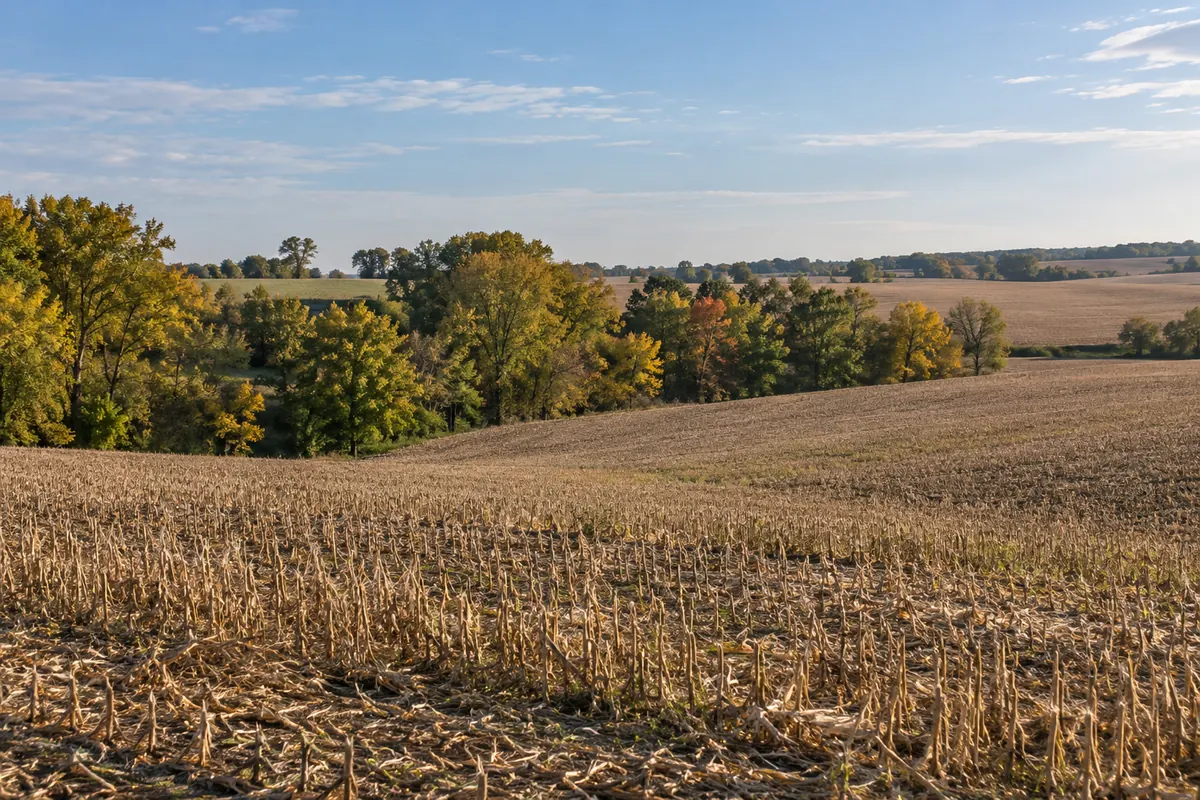
You can start while some answers are missing. Write down what you know and what needs checking. Don't spend money on clearing, a new survey or other work before asking whether your sale needs it.
In DeKalb County, the Property Index Number, often called the PIN, is the same as the parcel number on your tax bill or assessment change notice. It identifies the piece of land you plan to sell. Keep a separate line for each parcel if you own several.
The Assessment Office's property-record guide links to COMPASS and wEdge tax inquiry. The guide explains that you can use the property search to find a PIN by address. If your vacant land has no address, start with an old tax bill or ask the office for help.
Check that the number, acres and owner match your papers. Save the record and a map. If the assessment details are missing or look wrong, the county guide says to contact your township assessor first.
For a missing deed, start with the County Clerk and Recorder and its Land Records link. The Recorder keeps deeds, mortgages, liens and plats. A plat is a recorded map of land or lots. Ask which record or copy request will help you.
A survey shows measured property lines. An online parcel map helps locate the land, but it doesn't settle a boundary question. Keep any survey you already have and ask the closing team whether a new one is needed.
A simple folder makes it easier to write a listing, answer buyers and get ready for closing. Start with:
If you're helping settle a loved one's estate, keep the estate papers with the deed. Ask a closing attorney or title company who needs to sign. You don't need to have every answer before asking for help.
For farm ground, include any rental agreement and notes about crops, tenant access and harvest plans. Tell your agent or closing attorney what is written and what was agreed by conversation. Ask how the lease and crops should be handled in the sale contract.
Don't promise a buyer an empty field by a certain date until those questions are clear. Keep known facts separate from guesses. Our land seller document checklist can help you keep track.
Write a short description of the land as it is today. Buyers may ask:
Take clear photos of the entrance, land and features that matter. For a rented farm, agree on visits with the tenant so buyers don't damage crops or interrupt work. Don't assume a visible track across a neighbor's land proves a legal access right.
For utilities, use three labels: already on the land, nearby, or not confirmed. A line beside the road doesn't mean a connection is paid for. Where there is no sewer, a home may need septic, the system that handles household wastewater.
If a buyer asks about building, start with the county's Community Development office. It handles county zoning and building work, including building permits in unincorporated areas. Unincorporated means outside city or village limits.
Ask which office handles your parcel and the buyer's likely use. Zoning means the rules for how land may be used. A mailing address doesn't tell you every rule that applies. Share existing papers, but don't promise a home site or a split into several lots based only on acreage.
Compare farm ground with similar farm ground, and home lots with similar lots. Look at location, size, access, usable ground and what was included in the sale. A sale with a house or several parcels may be a poor match for bare land.
For farm ground, note the rented acres and any records you have about drainage or past use. Don't guess yields or future income. For a home lot, note known utility and home-site details. Different buyers may value different features.
Asking prices show what sellers hope to get. Completed sales show what buyers paid. A tax assessment is another reference, not a completed sale. Ask a local land agent or appraiser to show the records behind a suggested range. An appraiser gives an opinion of value.
If there are too few useful sales, widen the area or time period and explain why. Use a range and name the missing answers instead of treating one price per acre as right for every property.
List with a land agent. An agent can help price and market the land, arrange visits and handle offers. Ask about the fee, the plan for finding buyers and experience with land like yours.
Sell it yourself. You choose the price, write the listing and answer buyer questions. Gather clear photos, a map and the basic details. Decide how people can visit safely and who will help with the contract and closing.
Compare a direct offer. A land buyer gives you another set of price and terms to consider. Ask what the buyer needs to check, who pays the costs and when closing might happen.
If you'd like a direct offer in your comparison, tell Reelvest about your land. You decide whether an offer works for you. Our Illinois land seller guide covers the wider selling process.
Get the offer price, deposit, costs and planned closing date in writing. List any loan payoff, unpaid taxes, fees and work you agree to pay for. Ask what may change the date and when the buyer can cancel.
A made-up example: a $100,000 offer with $6,000 in seller costs leaves $94,000 before a loan payoff or other amounts. It isn't an estimate for your land. Use our land offer worksheet to compare the money you keep.
Ask the closing team how taxes will be divided between you and the buyer. If there is a tenant or crop agreement, make sure the contract says how it will be handled. Get an explanation before signing anything unclear.
One local paperwork detail: the Recorder's MyDec notice says PTAX forms must be submitted through MyDec rather than on paper. PTAX forms report the sale for real estate transfer taxes. Ask who on your closing team will prepare and submit them.
Before closing, ask what identification and papers to bring, how payment will reach you and when you should receive it. Confirm payment instructions directly with the closing office using a trusted phone number. Keep the signed contract and final closing papers.
Start with your tax bill, deed, parcel number and what you know about access and ownership. Gather lease or estate papers if they apply. You can begin while some records are missing.
PIN means Property Index Number. In DeKalb County it is the same as the parcel number on your tax bill or assessment notice. The county property-record guide also links to a search that can find it by address.
Start by gathering the lease and notes about crops, access and harvest plans. Ask your agent or closing attorney how those agreements affect the sale. Don’t promise the buyer vacant land on a date before the terms are clear.
Not always. Keep any survey you have and ask why a new one would be needed. The buyer’s checks or title review may show a need. Agree on who arranges and pays for it before spending money.
It depends on the records, buyer checks and contract. Ask what is still open, who needs to sign and what could change the date. Use a planned date rather than assuming every sale takes the same time.
Local source links reviewed October 6, 2026.