
To sell your Jerome County land, start with the location, a recent tax bill, and the papers you have. Choose a price, decide how to find a buyer, and compare written offers. You can begin even if the land has no street address or you’re missing a deed.
Tell us about your land. There’s no obligation to accept an offer.
Start with what you know. These steps will help you get ready and choose the way to sell that fits you.
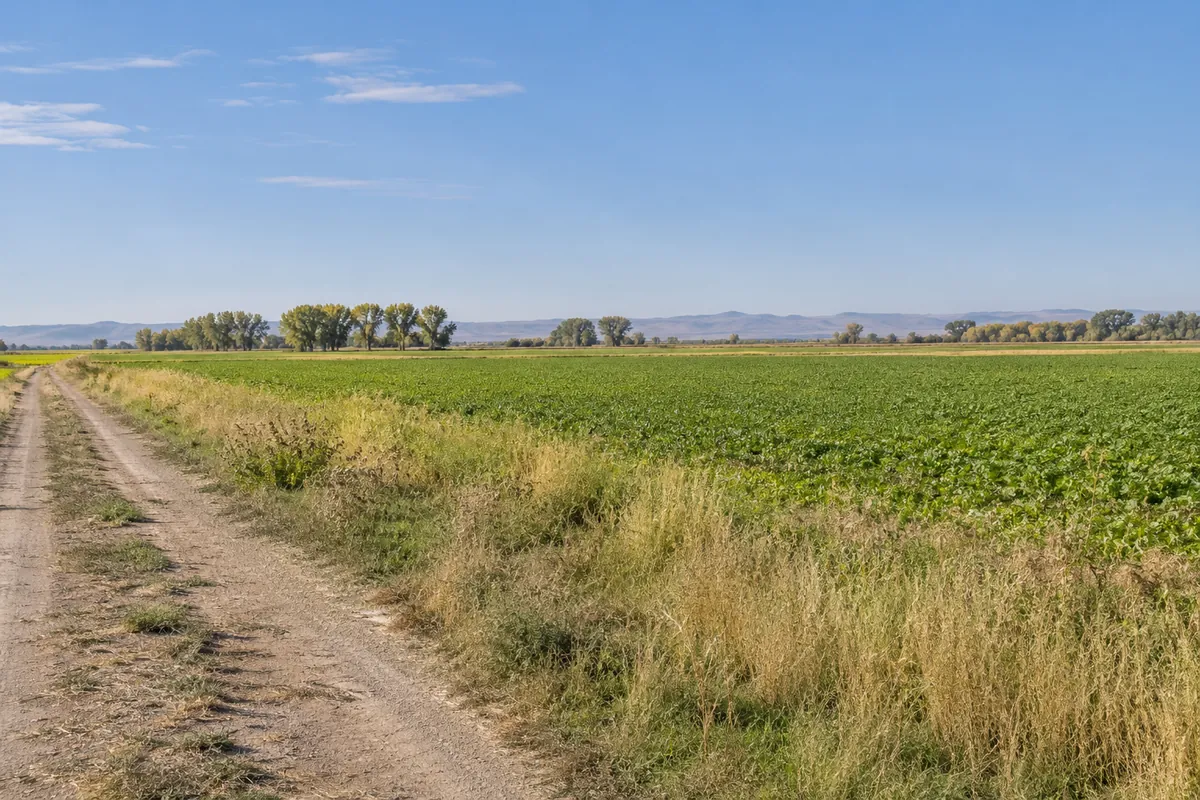
Gather a recent tax bill, any deed or survey you have, and a few clear photos. Make a short note with these details:
Keep any loan statement, lease, tax paper, or road agreement with these notes. You don’t need to clear the land, build a driveway, or answer every question before speaking with a buyer.
A parcel is a piece of land listed in county records. Its ID number helps you and a buyer find the right property. Look for the number on a recent tax bill, and list each lot if you plan to sell several.
The Jerome County Assessor’s page says the office can email a parcel sheet and, if needed, a plat map. A parcel sheet is the county’s information about the property. A plat map is a drawing that helps show the land.
Call 208-644-2740 to ask what information will help identify your parcel. Have the owner name, any parcel ID, nearby road, and a map pin ready. Check that the sheet describes the land you want to sell.
The assessor page also links to parcel maps. The county’s Mapping page lists map help at 208-644-2775. A map can help with location, but don’t use a screen line to settle a fence or boundary question.
The assessor says it does not provide deeds, surveys, or property lines. Ask the recorder about existing land documents, and ask the closing team what a boundary question needs. You don’t have to order a new survey just to start a conversation about selling.
The assessor directs deed and survey questions to the Jerome County Auditor/Recorder. Call 208-644-2714 if you need help finding an existing land document.
Have the owner names and any document, book, or page number from an old paper ready. Ask which record is available, how to get a copy, and what it costs. The office’s page also provides a Public Record Request Form for its records.
Keep any deed, survey, written access agreement, or loan paper you already have. Ask the person handling closing which missing records matter for this sale. You don’t need to research every old document yourself.
If you’re handling inherited land or helping settle a loved one’s estate, start with the papers you have. An attorney or the closing team can help explain who needs to sign and what is still needed.
Ask an agent who sells land locally to show you a few similar properties that have sold. An asking price shows what a seller hopes to get. A tax value is useful background, but it isn’t a buyer’s offer.
A lot near town and a larger farm tract may appeal to different buyers. Compare the road entrance, ground, size, buildings, and services that came with each sale. Check whether the deal included several parcels or a house.
If your land is farmed or grazed, gather any lease and note who uses it. For irrigated land, keep water, delivery, and irrigation papers with your notes. List the equipment you plan to include. Don’t assume the land and equipment in another sale match yours.
You don’t need to explain every water document yourself. Ask the closing team or someone familiar with those records what the buyer needs to know and which rights or equipment are included.
Use the closest completed sales to discuss a price range. If you need a written value opinion, ask a land appraiser what they would review and what it costs.
Choose the route that fits your time and how much work you want to handle:
A useful listing includes the location, parcel number, size if known, and photos. Show the entrance as well as the view. If someone farms or grazes the land, arrange visits with them before sending a buyer onto it. Note where gates and entrances are so visitors use the right route. Explain any shared road or unanswered access question.
Share existing records when someone asks about building or services. A nearby line isn’t the same as a working connection. You don’t need to plan a buyer’s house to begin selling.
If you’d like a direct offer to compare, you can tell Reelvest about your land. We’ll review it and let you know if we can make an offer. You decide whether it fits your needs.
Get the offer in writing. Make sure it includes the right parcel or lots. Ask who pays the agent fee and closing costs, and what loan or tax balance may come out of your payment.
For example, a $30,000 offer with $2,000 in seller costs leaves $28,000 before any loan or tax balance. That’s a comparison example, not a price estimate for your land. Use our land offer worksheet to compare the actual numbers.
Also ask what the buyer still needs to check, when they can cancel, and what happens to the deposit. Find out who handles closing, the target date, and what could change it.
If there’s a loan, unpaid tax bill, or lease, tell the person handling closing and ask how it affects the sale. Have them confirm current balances rather than relying on an old statement.
A cash offer can still have conditions. Ask for a clear explanation before signing. You can compare another offer or another way to sell before you decide.
Closing is when the sale papers are signed and payment is handled. Ask the person handling it for a short list of what they need from you.
If you’re handling inherited land or helping settle a loved one’s estate, gather the deed and estate papers you have. An attorney or the closing team can help you understand who needs to sign and what is missing. You can ask for help before you know every answer.
Share any lease, access agreement, or special tax paperwork for the land. Ask how it affects this sale and the money you receive. Keep a recent loan statement or tax bill handy so the closing team can check balances.
Before signing the final papers, check the parcel description, price, costs, and payment amount. Ask how payment details will be confirmed. Save the signed agreement and closing papers.
Our land seller document checklist can help you get started. You can also read the Idaho land seller guide.
Yes. Start with the location, a tax bill or parcel number, and the papers you have. Ask the Auditor/Recorder about a missing recorded copy. Ask whether a new survey is needed for a specific question before paying for one.
Keep the owner name, any parcel ID, nearby road, and map pin handy. The Jerome County Assessor says it can provide a parcel sheet and, if needed, a plat map. Call 208-644-2740 to ask for help identifying the right land.
Keep any lease, water or delivery papers, and irrigation records you have. List equipment included in the sale and note who uses the land. Ask for help with unanswered questions rather than promising what transfers.
You don’t need to clear it or put in a driveway just to start. Take photos and describe what is there. Ask an agent or buyer whether a specific job is likely to help before spending money.
Gather the deed and estate papers you have. Ask an attorney or the closing team who needs to sign and what is still needed. You can begin with unanswered questions.
No. Ask questions and compare the offer with listing the land or selling it yourself. You decide whether the terms work for you.
Local source links reviewed October 4, 2026.