
To sell your White County land, gather the details you have, compare prices and choose how to find a buyer. Then check the written offer and get help with closing. You don’t need every old paper or every answer before you start.
Tell us about your land. There’s no obligation to accept an offer.
Start with what you know. These steps will help you get ready and choose the way to sell that fits you.
A recent tax bill is a good starting point. Keep your deed, an old survey and any map you have together. Note the acres, nearest road and names of the other owners. If the land has no address, use a map pin rather than guessing one.
White County’s property record card search page links to its search. It can help you find the land’s record. A tax value is background information, not a promise of what a buyer will pay.
For a missing deed or recorded map, the Clerk of Court’s Recording Division explains how to request copies in person, by mail or electronically. If you have a book and page number, keep it handy. If you don’t, ask the office what would help them find the paper.
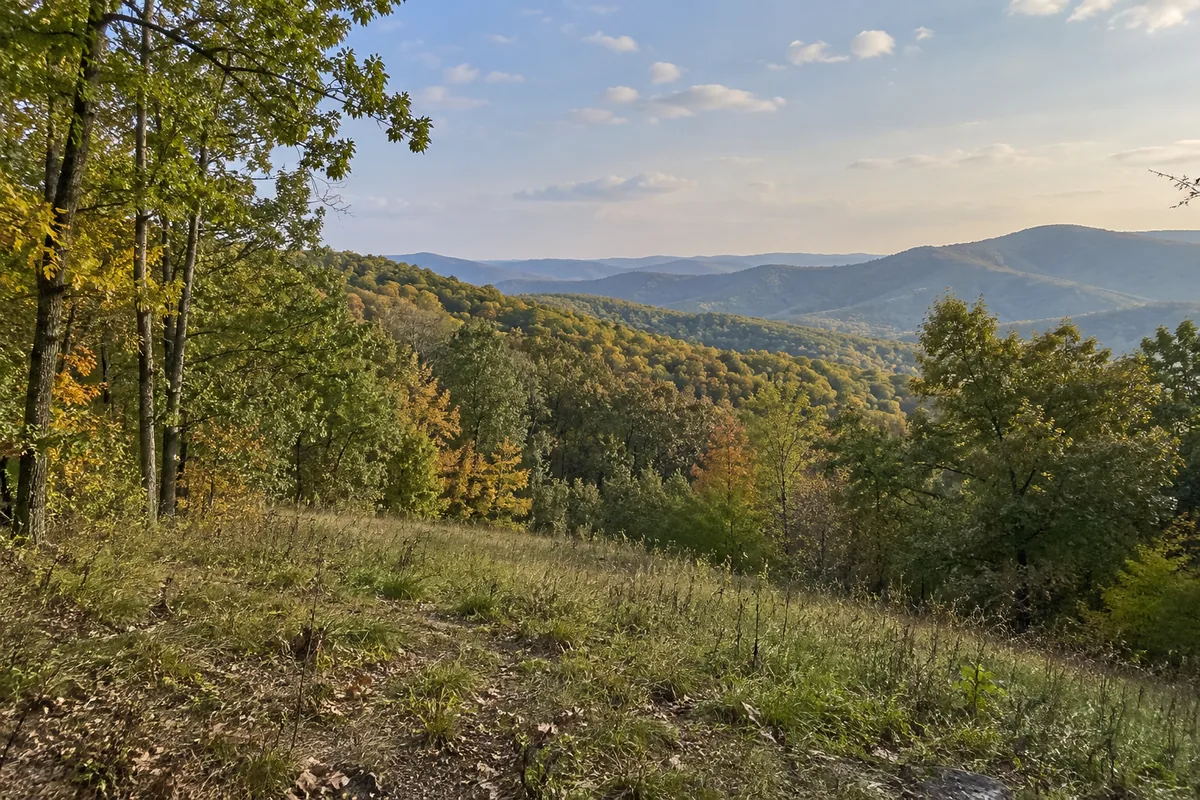
Describe the entrance, slope, woods and any open ground. If there’s a lane across someone else’s land, share any written right to use it. Explain what you know about water service or a well without guessing about connection costs.
Photos of the entrance and a few parts of the land can help. An old survey or map may help explain the shape. Only take photos where you can safely go. Don’t treat a view of the land as proof that it can be built on.
Tell buyers about anyone using the land and share any agreement you have. It’s fine to say you don’t know an answer yet. You don’t need to plan a buyer’s house, driveway or septic system before asking about selling.
Ask a local land agent about recent closed sales of similar properties. A closed sale is a sale that has finished. Look at size, road access and terrain. A small lot with an easy entrance may not be a good match for a larger steep tract.
There are three common ways to find a buyer:
Think about your time, the work involved and the money you may keep. You don’t have to accept the first offer.
Make sure the offer describes the right land. Check the price, any deposit, the buyer’s time to inspect and the proposed closing date. Ask what lets the buyer cancel or ask for a change.
Find out who pays each cost. Ask for an estimate of the money you keep after seller costs, unpaid taxes or a loan balance. Our land offer worksheet helps you compare the terms side by side.
If a buyer needs more time for a building plan, ask what happens if that plan doesn’t work. Get clear answers before signing, rather than relying on a promise of a quick closing.
Closing is when the sale is finished, the deed is signed and the money is paid. Ask who will handle it, what they need from you and how you’ll receive the money. Mention shared owners, a loan and missing papers early so there’s time to work through them.
If you’re handling inherited land or helping settle a loved one’s estate, start with the deed and estate papers you have. A closing professional or attorney can help work out who needs to sign. You don’t need all the answers before asking for help.
Use our land seller document checklist to gather what’s handy. The Georgia seller guide covers broader questions. If you want a direct offer to compare, tell Reelvest about your land.
You can start with the papers you have. Whether a new survey is needed depends on the land and the sale. Ask the agent, buyer or closing professional before paying for one.
The Clerk of Court’s Recording Division explains copy requests in person, by mail and electronically. A book and page number can help. Ask the office what they need if you don’t have that information.
You can ask about selling the land as it is. Explain the entrance and terrain. Compare similar land and be clear about any questions a buyer still needs to check.
Start with the papers you already have. A closing professional or attorney can help determine who needs to sign and what else is needed. Missing papers don’t have to stop your first conversation.
Local source links reviewed October 4, 2026.