
Selling your Lowndes County land starts with a few facts: where it is, what you own and what you want from the sale. Gather what you have, decide how to find a buyer, and compare offers in writing. If a paper is missing or the county record looks out of date, you can get help before you sign.
Tell us about your land. There’s no obligation to accept an offer.
Start with what you know. These steps will help you get ready and choose the way to sell that fits you.
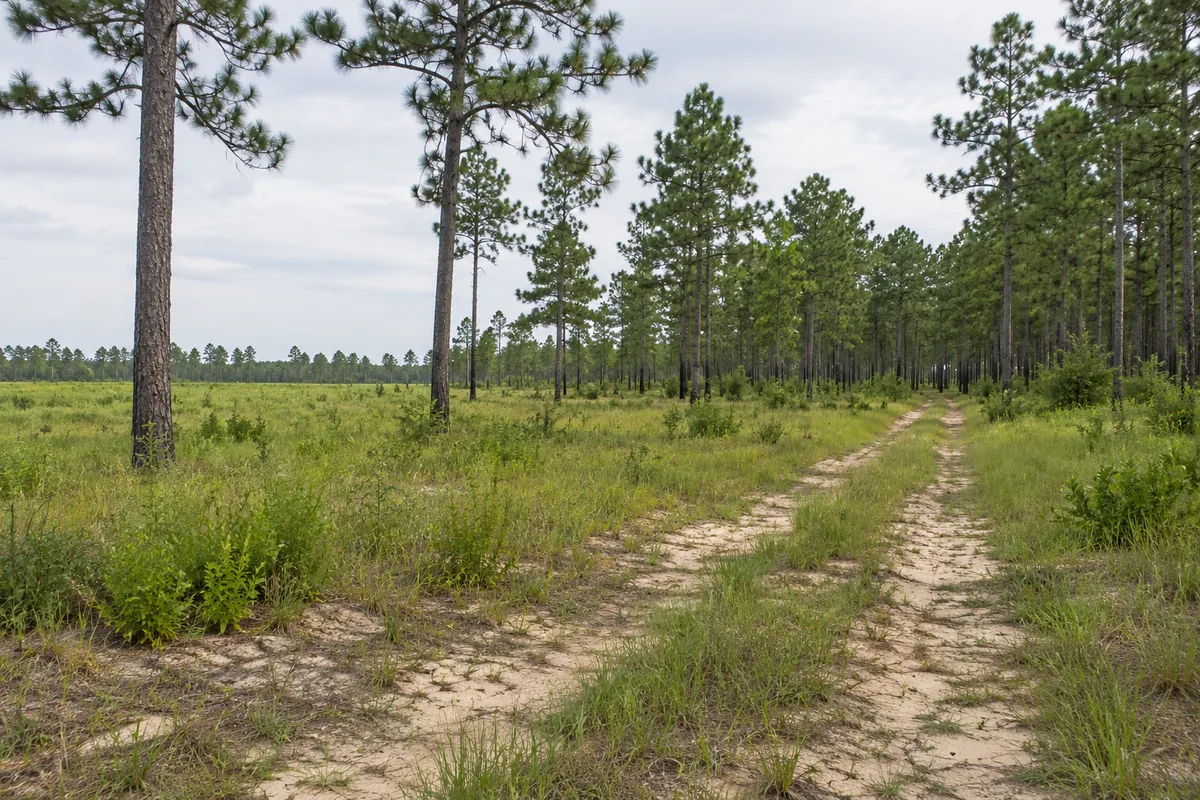
Start a folder with a recent tax bill, any deed you have and an old survey or map. A deed records an ownership transfer. A survey is a drawing of measured land lines. Keep copies rather than giving away your only originals.
Write a short note about the land:
For empty land with no street number, use the parcel number and closest road. A map pin can help someone find the area, but it doesn't replace the land description in your sale papers.
You don't have to complete every blank before talking with an agent or buyer. Say what you know and keep the unknown details on a list.
Use the Lowndes County, Georgia resources below. There are counties with the same name in other states, so check the state before using a search result.
The county's Board of Assessors page links to its Real Estate Search. Use a recent tax bill to help match the right parcel. The office lists 229-671-2540 for questions.
If the owner name looks wrong, don't assume the sale is blocked. The Assessor says ownership records are updated each month and can lag behind a deed recorded with the Clerk of Superior Court. Ask the office about the entry. Keep the recorded deed or other papers for the closing team to review. An online name alone doesn't settle who can sign.
The county's tax questions and answers page says you can get a warranty deed copy from the Clerk of Superior Court record center. The county's Real Estate office directory lists 229-333-5125 and 327 N. Ashley Street, first floor, in Valdosta.
Before visiting, ask what information will help find your copy and check current hours and copy costs. If you have an old deed, note its book and page number or document number. If the issue is who owns the land, ask a closing attorney to review the papers rather than relying on a name search.
The county directs tax-bill questions to the Tax Commissioner. Its Tax Commissioner page links to the tax website and lists 229-671-2579.
Check the account for your parcel. If an old bill shows money owed, ask for the current amount. Give the closing team the details so it can explain what may come out of the sale payment. A tax record helps with the bill; it isn't a buyer's offer for the land.
Think about how much work you want to handle and how soon you hope to sell. Then compare these options.
You can ask questions before choosing a route. If you'd like a direct offer to include in your comparison, tell Reelvest about your land. We'll review the details and discuss whether we can make an offer. You choose whether to move forward.
Look for recent sales of land like yours. Compare similar size, location and road access. A home sale includes more than the land, and a package of several lots may not tell you the price of one lot.
For a small lot, start with similar lots nearby. For a larger tract, compare similar acres and uses. Keep asking prices separate from completed sale prices. An unsold listing shows what an owner hopes to get, not what a buyer has paid.
Ask a land agent to explain the sales behind a suggested range. If the land has woods, don't assume every tree adds the same amount to the price. If you're considering selling timber before selling the land, get separate advice about the trees and the effect on the land sale.
Keep descriptions honest and simple. “Power line along the road” isn't the same as “power connected on the land.” If you haven't checked a feature, list it as a question. You don't need to plan a buyer's building project before asking about selling.
Get the terms in writing and make sure they cover your exact land. For several parcels, check that every parcel is included.
Ask these questions before accepting:
Here's a made-up comparison. One offer is $25,000 with $1,500 in seller costs. That leaves $23,500 before any loan or tax balance. A second offer is $24,000 with those same costs paid by the buyer. Compare the full written terms before choosing. These amounts are examples, not Lowndes County sale prices.
Use our land offer worksheet to put two offers side by side. Ask for an explanation of any term that isn't clear.
Once you have an agreement, the closing team checks the records and prepares the sale papers. Ask who your contact is and what they need from you.
If you're handling inherited land or helping settle a loved one's estate, start with the papers you have. A closing attorney can help confirm who has authority to sell. Ask for a short list of what is needed, and take it one step at a time.
A closing date can change if records or signatures need more work. Ask which steps are still open. Our seller document checklist can help you keep track of your papers.
Find one recent tax bill and write down the parcel number. If the owner name looks out of date, ask the Assessor about the record. If the deed is missing, ask the Real Estate office about a copy.
Then speak with an agent or buyer about your choices. For a direct-sale conversation, share what you know with Reelvest or contact our team. You can compare an offer without deciding on the spot.
The Lowndes Assessor says updates can lag behind recorded deeds. Ask the office about the entry and keep your deed for the closing team. Have a closing attorney check who can sign if ownership is unclear.
The county points to the Clerk of Superior Court record center. Its Real Estate office lists 229-333-5125. Ask what details will help find your copy and check current hours and costs before visiting.
Yes. Start with the parcel number, location and acres if known. Keep a list of missing details. An agent, buyer or closing team can explain what is needed for the next step.
Not just to start selling. Some buyers may prefer the trees. Ask an agent how similar land is selling before paying for clearing or selling timber. Share current photos and describe what is there.
Ask the Tax Commissioner for the current account details. Have the closing team explain any amount to be paid from the sale. Compare the money you keep after costs and balances, not just the offered price.
Local source links reviewed October 7, 2026.