
Selling land in Floyd County starts with knowing what you own, choosing how to find a buyer and comparing offers. This guide helps you get ready, whether you use an agent, sell on your own or talk with a land buyer.
Tell us about your land. There’s no obligation to accept an offer.
You don’t need to know every answer today. These steps will help you move from thinking about selling to choosing an offer.
Start with a recent tax bill or deed. Write down the location, about how many acres you own and the names on the deed. Note how you reach the land and whether anyone else uses it.
Look at similar land that has sold nearby. Compare size, road access and what buyers can use it for. A large farm and a small wooded lot may draw different buyers. Asking prices can help you see the competition, but sold prices tell you more about what buyers paid.
You can list with a land agent, sell it yourself or ask a land buyer for a direct offer. Compare the price along with fees, timing and the buyer’s right to cancel. The highest price may not leave you with the most money.
Once you agree on the terms, the closing attorney checks ownership and prepares the signing papers. Closing is the final step when the land changes hands and you receive the money due to you. Ask what you need to bring and how you’ll be paid.
If you’d like to include a direct offer in your comparison, tell Reelvest about your land. There’s no obligation to accept.
Gather what you already have. These papers help you write a listing, answer buyer questions and get ready for closing.
Start with what you have. Before paying for a new survey or other work, ask your agent or closing attorney whether it’s needed for your sale.
Start with the details you already know. Write down the answers you know before listing it or speaking with buyers:
It’s okay if you don’t know every answer. Say what you know and what still needs checking. If a buyer asks whether they can build, share any records you have. Don’t promise that a home or other project will be approved.
Get these answers in writing:
For example, a $30,000 offer minus $2,000 in costs leaves $28,000 before any loan or tax balance. This is just an example. Ask for the numbers for your sale.
Use our offer worksheet if you’re comparing buyers. You can compare a direct offer with listing the land through an agent or selling it yourself.
Start with the Floyd County Assessor’s Office. Its page links to the county’s property search. Use the owner name or details from an old bill to find the land. Save the land ID, listed acres and map. If you need help with the record, call 706-291-5143. A tax map helps you point out the land, but it doesn’t settle a boundary dispute.
For the amount of tax owed, use the Floyd County Tax Commissioner, which handles bills and payments. The office number is 706-291-5148. The assessor’s property value and the tax bill serve different purposes. Neither tells you what a buyer will pay today.
For a deed copy, the Floyd County Clerk of Superior Court’s deed page links to an online real-estate search. It also explains how to request a copy by mail. For a mailed request, it asks for the type of document and the book and page where it was recorded. If an old deed has those numbers, keep them handy. If you don’t have them, ask the deed room or your closing attorney how to find the right paper.
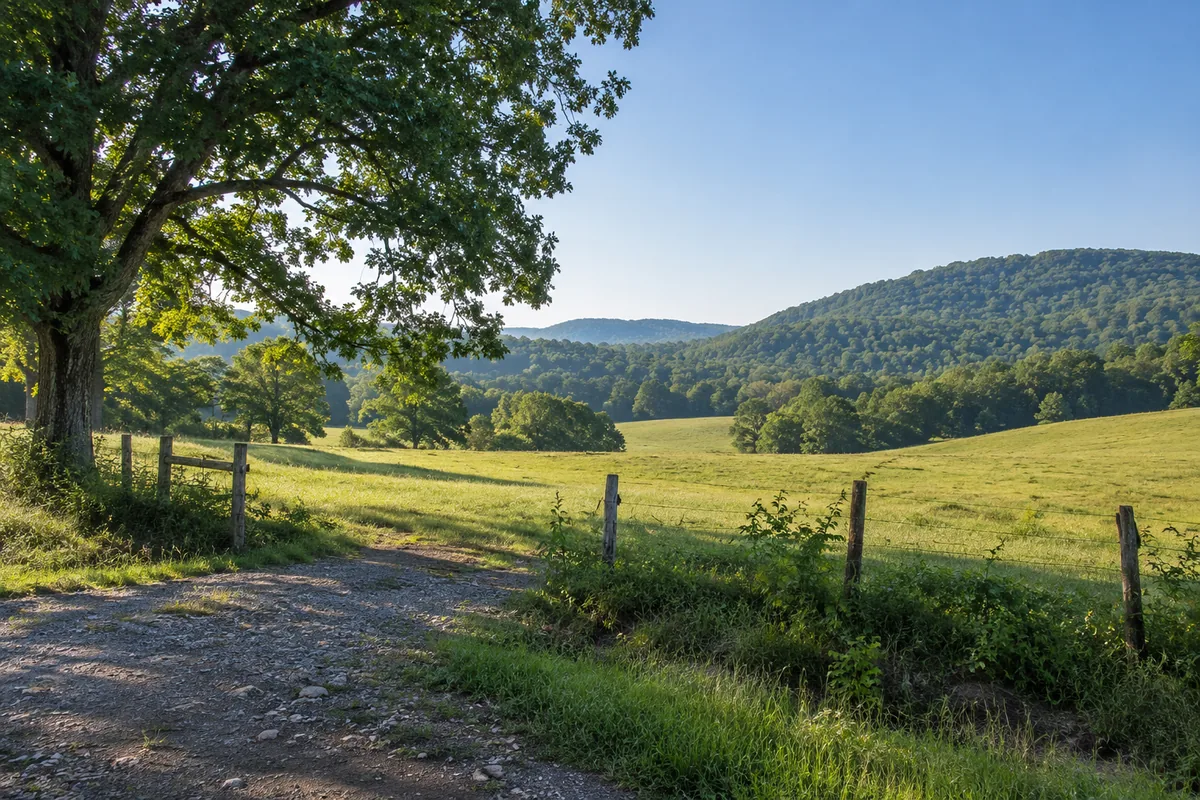
A small lot and a larger tract need different descriptions. For a lot, say where it sits and how it connects to a road. For a larger tract, describe the entrance and the route into the land. Photos of the actual entrance, open ground and hills can help a buyer understand the layout. If you live far away, start with the map and photos you already have.
If a fence and the county map don’t seem to line up, say so. Don’t move the fence or order an expensive survey just to list the land. Ask the closing attorney what needs to be checked for the sale. If a buyer plans to build, share any old survey or septic papers you have and let the buyer check the new plan. You don’t need to design their home before finding a buyer.
No. Start with a recent tax bill, the location and what you know. You can gather missing papers while deciding how to sell. Ask the person handling the closing which documents your sale needs.
Use the land’s identifying number from your tax bill and a map pin. Include the nearest road so buyers can find the right piece of land.
You may be able to, but first check whose name is on the deed and who has the right to sign. If you’re handling land after a loss, take it one step at a time. A closing attorney or an attorney who helps families settle estates can explain which papers are needed.
Ask for the current amounts owed. Before accepting an offer, find out how those balances will be paid and how much money you’ll keep.
Explain how you reach it now. If you use a neighbor’s land, look for any written agreement you have. Buyers will want to understand access, and limited access can affect the price.
Finding a buyer can take time. After you agree on an offer, the sale still needs ownership checks and signed papers. Ask for a clear timeline and find out what could delay it.
Yes. Tell us about your land to ask about a cash offer. There’s no obligation to accept. Compare the money you’ll keep, costs, timing and terms with your other options.
The Clerk of Superior Court’s deed page has an online record-search link. For a copy requested by mail, it asks for the document type and recorded book and page. If those details are missing, ask the deed room or closing attorney how to find the right document.
For a longer list of papers, see our seller document checklist.