
Compare your land with sold land that has a similar use, road access and setting. Then check what a buyer’s plan would need. Decatur County’s planning page says the county has no zoning ordinance. It still has rules for land use and building. Don’t price a hoped-for use as though it is already approved.
Start with the right Decatur County records
This guide is for Decatur County in southwest Georgia, around Bainbridge. The City of Decatur near Atlanta is a different place. Check the county name on your tax bill before following a search result for permits or land rules.
The Decatur County Tax Assessor maintains land and owner records and links to its property search. Find your parcel number, acres and owner name. Keep the deed and any survey with the tax record. If the land has more than one parcel, list each number and say which ones are included.
Tax records help you get started. They do not tell you what a buyer will pay today. To choose a price, look at real sales of similar land. Then compare your land’s features.
“No zoning” does not mean every use is allowed
The Building and Planning page explains that the county regulates land through other ordinances, including its Unified Development Ordinance, or UDO. These rules cover how land can be used and built on. The page also lists building and flood-related rules.
The posted UDO applies to land outside city limits. Ask the right city office about land inside a city. Give the office the parcel number and the buyer’s exact plan. Ask what applies today and what still needs approval.
For example, a buyer might want a home and a small business on the same tract. “No zoning” is not enough to promise that plan will work. A written answer about the actual use gives both sides a better basis for comparing the land.
Value the whole tract separately from a possible split
A plan to sell several smaller lots is different from selling one existing tract. Section 7.08.04 of the county’s posted UDO calls for written planning approval before a subdivision is made and recorded. Ask Planning which review fits your proposal and whether any later changes apply.
Compare two choices on paper. For a whole-tract sale, use the offer and costs you know. For a split, list the survey, review, road or utility work, sale costs and time that may be needed. Get estimates before assuming the small-lot prices will leave you with more money.
Until the split is approved, call it a possible split. Keep any sketch separate from an approved recorded plat, which is the official drawing of the lots.
Check the home site, water and septic together
If a buyer wants a home, find out where it could fit and how it would be served. Write down what you know about water, sewer and any old septic system. Septic is a way to treat household wastewater on the land.
The county’s department directory lists Decatur County Environmental Health. Georgia’s Environmental Health guide directs local record requests and services to the county office. Ask that office for the parcel’s available records and which review fits the planned home.
If part of the tract is low, wet or near a waterway, include that in the planning question. Ask about the planned home spot and driveway, not just whether some part of the land falls in a mapped flood area. Keep any written flood review or survey with the land note. A map color alone does not settle every site question.
Compare farm, timber and home-site land by their real features
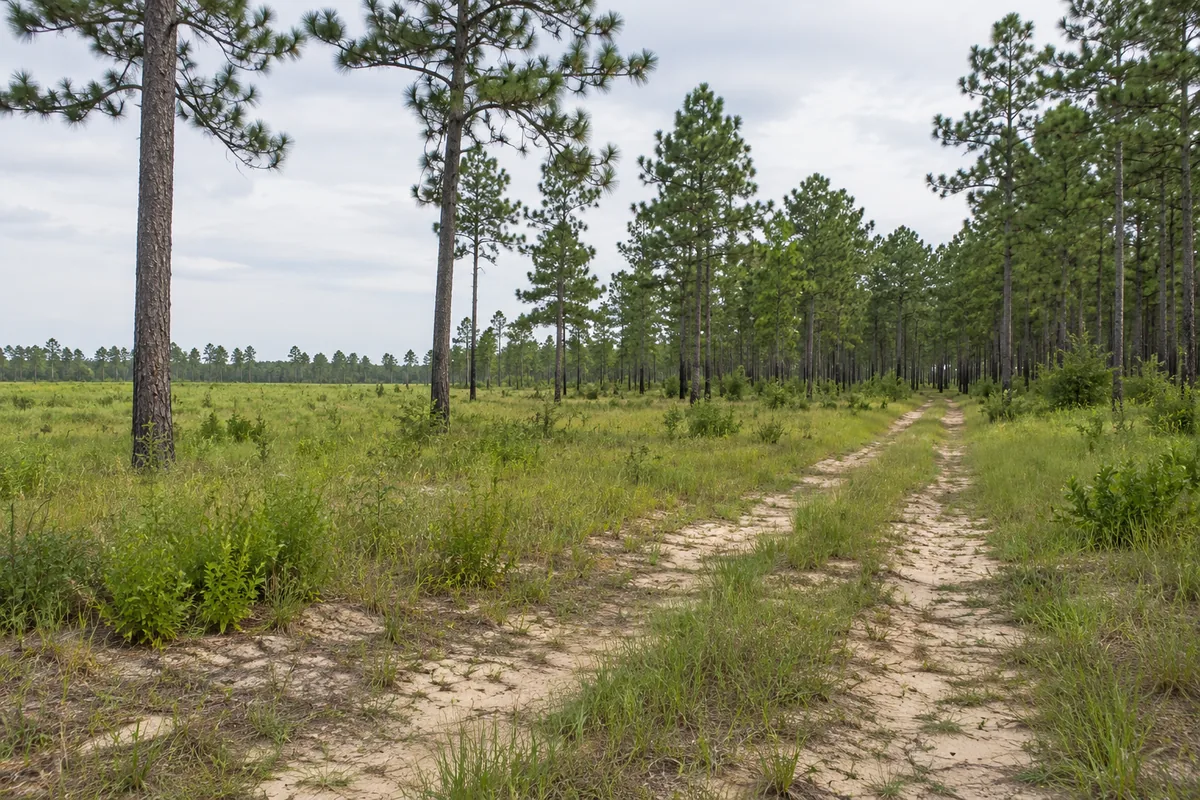
Start with recent closed sales that have a clear deed and parcel match. A farm field, pine tract and home lot serve different needs. Choose land a buyer could use in a similar way, then note the differences.
- Field: compare usable ground, access and any lease that will stay in place.
- Timber: separate land value from guesses about the trees. A forester can help check the timber rather than using a photo as a dollar estimate.
- Home site: compare access, water, wastewater records and steps still needed.
- Several parcels: confirm the sale price and acres cover the same group you are using.
For each match, save the sale date, closed price, parcel and what was included. Keep asking prices in a separate list. If there are too few useful sales, ask a local land agent or appraiser for better matches instead of picking a precise price from weak evidence.
Check farm or forest tax agreements before comparing take-home money
The Tax Assessor’s page lists conservation-use, agricultural and forest-land assessment programs. If your land is in one, find the agreement and ask how the planned transfer or new use would affect it.
Do not guess that the agreement ends for free, or that every transfer causes a charge. Get an answer for the exact program and terms. Also ask about any farm lease, timber agreement or other right that will affect what the buyer receives.
Put the land facts and offer terms on one sheet
- Land included
- Each parcel number, total acres, deed and survey.
- Current use
- Field, timber, home site or another use, with leases and agreements.
- Buyer’s plan
- What has been checked, what is planned and which approvals remain.
- Price evidence
- Useful closed sales and the differences you need to explain.
- Money you keep
- Offer less costs you pay, loan payoffs, back taxes and any agreement-related amount.
Ask who pays which fees and what the buyer must check before closing. You can compare a direct offer with a listing or a split plan. Use the land offer worksheet, visit our Decatur County seller guide, or tell us about your land with what you know.
Questions About Decatur County Land Value
Does no zoning mean I can use Decatur County land for anything?
No. The county planning page explains that other land-use and development ordinances apply. Ask Building and Planning about the parcel and exact use. If the land is inside a city, ask the city office which rules apply.
Can I price a large tract as several approved lots?
Keep a planned split separate from approved lots. The county’s posted UDO requires written planning approval before a subdivision is made and recorded. Ask about your plan, then compare costs and possible income before choosing a split.
Which Decatur should I search for when checking this land?
Use Decatur County, Georgia, around Bainbridge in southwest Georgia. The City of Decatur near Atlanta is a different place. Start with the county name on your tax bill and the official county website.
What if my land has a farm or forest tax agreement?
Find the agreement and ask the Tax Assessor how your planned sale or a new use would affect it. Get an answer for that program before comparing the money you will keep. Include any lease or timber agreement in the land details too.