
Find the right parcel, check the sale record, and compare land a buyer could use in a similar way. Indian River's Property Appraiser explains how to search nearby sales. Zoning, flood and wetland questions can affect how useful a match is. Acres alone won't give you a sound price.
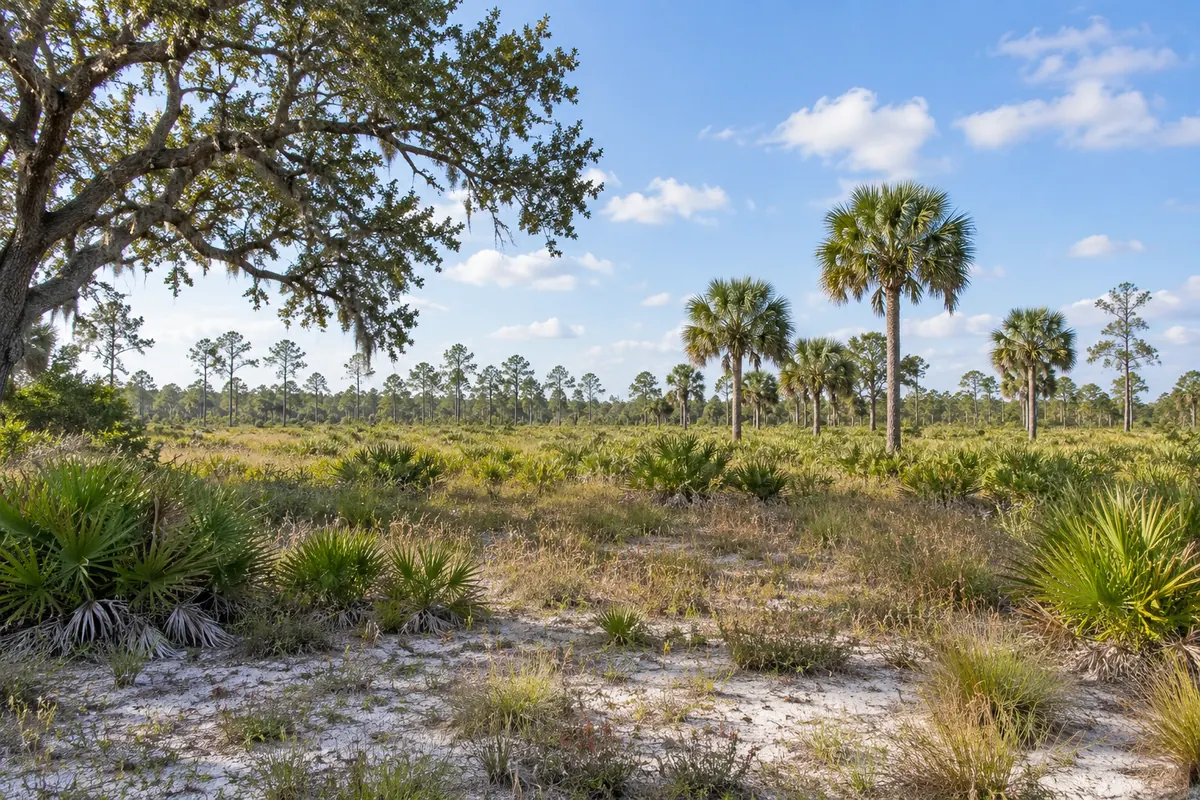
Find the Parcel Even Without a Street Address
Start with the Property Appraiser's search guide. It describes searches by owner name, parcel number, legal information, subdivision and other details. A parcel number is the county's ID for a piece of land.
If the owner's name brings no result, try a simpler name search. The guide notes that spelling may differ in the records. If a quick search fails, use the dedicated search page linked in the guide. Don't give empty land a nearby home's address just to make a search work.
Save the parcel ID, listed acres and a map. Then match the tract to your deed. A deed is the document that transfers land. If old family papers and the map show different acres, note the difference and ask which record needs checking.
Keep the deed behind the map entry
The Clerk's Online Services page links to Search Official Records and help with copies and research. Use that current route to look for the deed or ask about a missing document. Save its recorded reference and all pages that describe the land.
Check whether the deed covers one parcel, several parcels or part of a larger tract. A listing name and a map pin may not show the whole deal. Keep every included parcel with the price until you can explain what changed hands.
Use Nearby Sales as a Starting List
The Property Appraiser's data guide describes the Sales tab and Area Sales Report. The report can search by neighborhood, subdivision or distance from a chosen parcel for a date range. The data page also separates land and building information.
Start with that list, then check each useful match. A nearby house sale is a poor bare-land comparison unless you account for the building. Two listing rows may also describe the same transfer. Save a parcel ID and deed reference so you can count a deal once.
- Was it a completed sale or only an asking price?
- Did the price include a home, other buildings or extra parcels?
- Could a buyer use the land in a similar way?
- How does road access or utility work differ?
- What date and source support the price?
Ask a local land agent or appraiser to explain the differences in the matches they choose. More rows don't make a comparison better if the land serves a different purpose.
Compare the usable space, not just the total acres
Imagine two wooded tracts with the same acreage. One has a clear home site and road access. The other still needs answers about wet areas and the way into it. A buyer may view them very differently. This example is not a report about a local sale.
Mark the part the buyer hopes to use, any known access route and the questions still open. Don't subtract guessed wetland acres and treat the rest as approved building space. Get the right review for the actual plan.
Check the Plan Before Relying on a Price Match
The county planning FAQ explains how zoning sets allowed uses and lot size rules. Zoning means the rules for how land may be used. Share the parcel number and ask which office handles the tract, then describe the buyer's plan.
The same FAQ says wetland maps give only a general picture. They don't show every boundary or feature. If wetlands appear in the first review, a survey to mark their limits is needed during site development review. Wetlands are areas where water affects the soil and plants. Ask staff what review fits the parcel before clearing or choosing a home site.
For flood questions, use the county flood page. It links to current flood maps for unincorporated areas, outside city or town limits, and describes map-location help from Planning. Check the proposed home site and the route into it. Save the map date with any staff answer.
A floodplain is land that can fill with water during a flood. A flood map and a wetland review answer different questions. Neither alone confirms road access, sewer or septic, zoning or every other condition a buyer may need.
- Match the parcel, deed and included land.
- Find nearby completed sales and check what each price included.
- List the important differences from your tract.
- Ask the right office about the buyer's intended use and open site questions.
- Compare written offers by price, costs and money you keep.
You can discuss selling before every check is finished. Agree who will gather records, pay for site work and handle a plan that doesn't work. Ask how long the buyer has to review the land and what happens to any deposit. Put those terms in writing.
A Simple Sheet for Comparing Sales
Make one row for each deal you can check. Keep asking prices in a separate list; they show what a seller wants, not what a buyer paid.
- Land ID and deed number
- Check that you're counting the same parcel and transfer only once.
- Sale date and full price
- Write down where you found them. Leave a blank if you can't confirm them.
- Total acres and what was included
- Note buildings, other parcels, and any separate rights.
- Access, use, and site work
- List the biggest differences from your land.
- Keep or leave out?
- Write a short reason. Choose close matches over a longer list.
How to Work Out Price Per Acre
Divide the checked sale price by the acres included. For example, a made-up sale of 20 acres for $120,000 works out to $6,000 per acre. This shows the math; it isn't a local sale or an estimate for your land.
Use that number only after checking the match. It doesn't show the cost of a new road, the value of a house, or whether your land can serve the same use.
Use Your Research to Compare Your Options
You can use close sales to discuss an asking price with an agent or appraiser. You can also ask a buyer for a direct offer. Compare the price, costs, terms, and work involved. A higher headline price may leave you with less money after those costs.
Tell us about your land if you'd like Reelvest to review it. Start with what you know. You don't need to pick a price before reaching out.
Questions Sellers Ask
How do I find Indian River County land with no street address?
Use the Property Appraiser's dedicated search. Its guide describes owner, parcel, legal-description and subdivision searches. Save the parcel ID and match the deed rather than guessing an address.
Where can I find sales near my Indian River parcel?
The Property Appraiser's data guide describes an Area Sales Report by neighborhood, subdivision or distance and date range. Use it as a starting list, then check each transfer and what the price included.
Does a wetland map show the full usable area?
No. The county FAQ says map sources give general wetland information and may miss boundaries or features. Ask what site review is needed for the actual buyer plan.
Should I use every nearby sale in a land estimate?
Keep the closest useful matches. A sale with buildings, extra parcels or a different allowed use may not fit. Check the whole deal and explain the differences before relying on price per acre.