
To sell Kiowa County land, first identify the pieces you own and how they are reached. Gather your deed and any use agreements, compare similar sales and choose a selling path. Missing a paper doesn’t mean you have to wait to ask for help.
Tell us about your land. There’s no obligation to accept an offer.
Start with what you know. These steps will help you get ready and choose the way to sell that fits you.
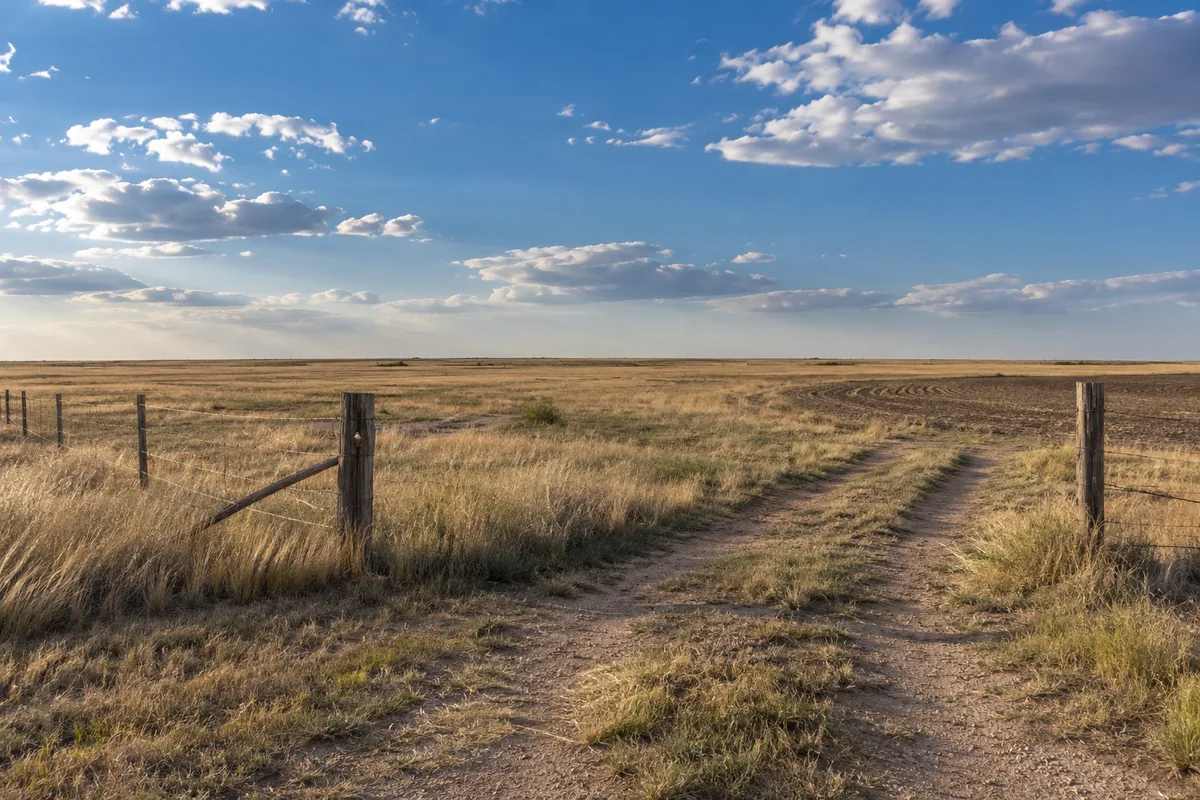
Start with a tax bill, deed and any old map. Write down the property number, acres and owner names. If you plan to sell several pieces together, make a list so a buyer knows what the price includes.
The official county website has a section called Research Kiowa County Recorded Documents. It links to a search for records from January 2000 onward. You can search by document number, document type, written land description or the names of people who bought or sold it.
The same page links to older records through December 2005. Those can be searched by book and page or buyer and seller names. If you can’t find your deed, ask the Clerk and Recorder for help. You don’t have to sort out the whole record history before talking with an agent or buyer.
Explain how you get to the land. Give the road name and directions to the gate or entrance. If you cross another property, share any written right to use that route. A path on a map isn’t the same as a known right to drive across it.
Tell buyers whether the ground is being farmed, grazed or left open. Share any lease or other use agreement you have. Note fences, gates, buildings and equipment. Be clear about which items would stay.
If you have papers about a well, water use, minerals or an existing lease, keep them with the deed. Don’t guess which rights you own or what passes with the land. Let the buyer and closing professional explain what needs checking.
A few photos of the entrance and ground can help. You don’t need to drill a well, repair every fence or plan a buyer’s project before asking about selling. Ask whether any work would help your sale before paying for it.
Ask a local land agent for recent completed sales of land buyers would compare with yours. A large crop field, grazing tract and small lot may serve different needs. Compare acreage, entrance, current use and what each price included.
Use asking prices as background, not proof of what sold. Don’t multiply a small lot’s price per acre across a much larger property without checking better matches.
Choose the path that fits your schedule and the work you want to do. An offer is something to compare, not an obligation to sell.
Check that the written offer covers the right land and any items you agreed to include. Ask how an existing crop or grazing agreement would be handled. Don’t leave that question until moving day.
Read the deposit, time for buyer checks and proposed closing date. Ask what allows cancellation. Find out who pays each cost and how a loan or unpaid taxes would affect your payment.
Here’s a made-up comparison: $100,000 less $7,000 in seller costs leaves $93,000 before other debts. An offer of $98,000 with $2,000 in seller costs leaves $96,000. Compare the money you keep along with the deadlines and terms.
The offer comparison worksheet helps you keep those details together. These amounts explain the math; they aren’t a local price estimate.
Ask who will handle closing, which papers they need and how you’ll receive payment. Closing finishes the sale through signed papers and payment. Have unclear costs or terms explained before signing.
If there are other owners, share their names early. If you’re handling inherited land or helping settle a loved one’s estate, bring the papers you already have. An attorney or closing professional can help work out what else is needed and who should sign.
Use our seller document checklist or Colorado seller guide for more help. If you want a direct offer to compare, tell Reelvest about your land. You stay in charge of the decision.
The official county homepage links to historical recorded documents through December 2005, searchable by book and page or buyer and seller names. Ask the Clerk and Recorder for help if you can’t locate it.
You can start with what you know. Share any papers you have and avoid promising rights you haven’t confirmed. The buyer and closing professional can explain the checks needed.
Share the agreement you have and explain who currently uses the land. Ask how that use and any crops would be handled before accepting an offer.
No costly project is needed just to begin a conversation. Share the land’s current condition and ask whether work would help your sale before spending money.
Local source links reviewed October 4, 2026.