
Start selling your Fremont County land by gathering the details you have and choosing how to find a buyer. Set a price, compare offers and work with the closing team on the papers. You don’t need every answer to begin.
Tell us about your land. There’s no obligation to accept an offer.
Start with what you know. These steps will help you get ready and choose the way to sell that fits you.
Put a recent tax bill, deed and any survey in one place. A deed records a transfer of land. A survey is a measured drawing of the boundaries. Keep any road, shared-driveway or water papers with them.
Write down the acres, the owners named on the deed and the closest road. A land number from your tax bill and a map pin can help with empty land that has no address.
Say exactly what you want to sell. Is it one tract, several lots or only part of a larger piece? If you want to sell just part, ask what must be done before that part can be sold on its own.
If you’re handling inherited land or helping settle a loved one’s estate, start with the papers you have. Ask a title company or real estate attorney who needs to sign and what else is needed. You can ask about selling while those questions are being checked.
The Fremont County Recording Division offers free record searches. Online document images cost money. Check the right deed before buying a copy.
Ask the closing team which copy they need. Certified copies are official copies from the recorder; the county does not send them electronically.
The clerk cannot conduct real estate record searches for you. Ask a title company or real estate attorney for help tracing ownership papers.
For copy-service questions, call 719-276-7336. Recording is at 615 Macon Avenue, Room LL6, Cañon City. Check before traveling.
The Fremont County Assessor keeps property information for taxes. Its page links to Public Record Search. If you can’t find the right record, call 719-276-7310 with the tax bill or location details you have.
Use the record to check that you’re discussing the right land. If the acres or other details don’t fit your papers, ask about the difference before using them in a listing.
A tax record helps identify land. It doesn’t replace the closing team’s check of the ownership papers. A tax value also is not the same as a buyer’s offer.
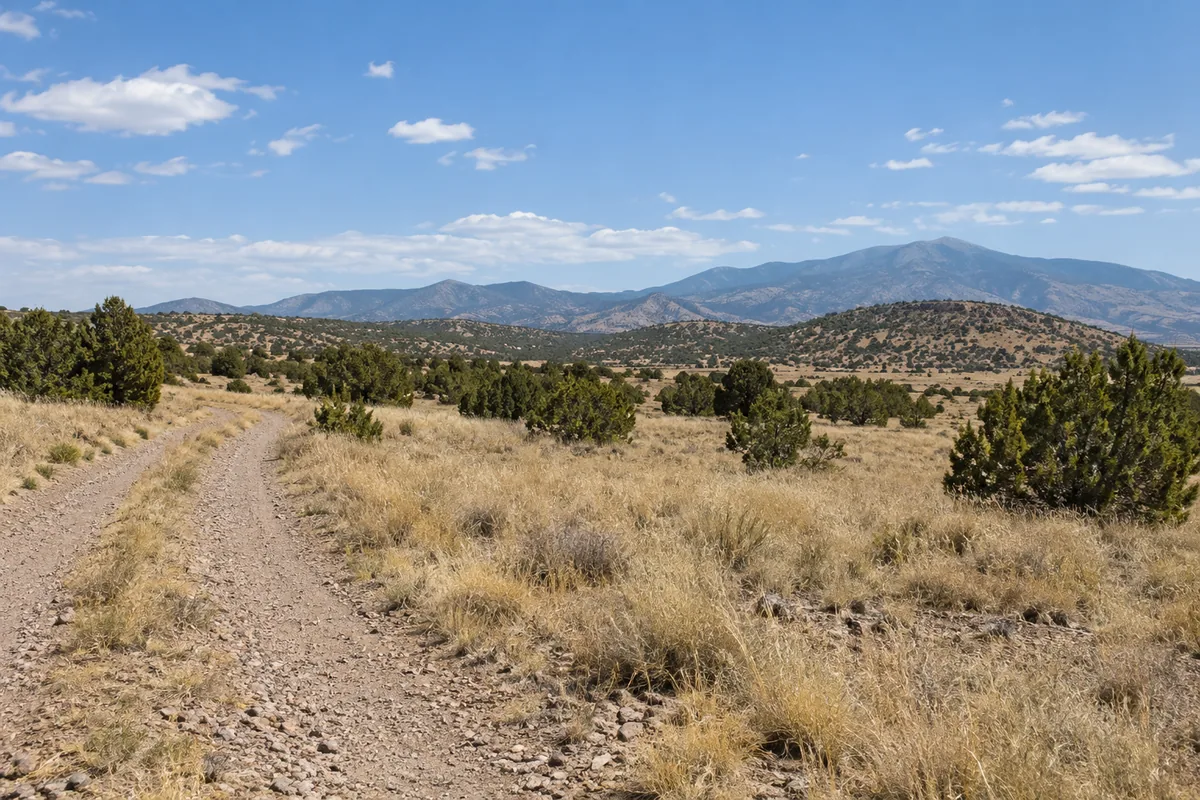
Take photos of the entrance, road, open ground and any buildings. Describe the drive from the nearest public road. Share what you know about the road surface and who maintains it.
If reaching the land means crossing someone else’s property, share any written road rights you have. A track on a map doesn’t answer whether a buyer has permission to use it.
List the water source you know about, such as a well. Share the papers you have and say what remains unchecked. Don’t promise a well, water supply or power hookup based only on what is nearby.
Be clear about fencing, grazing leases, loans and known limits on land use. You don’t have to work out a buyer’s entire building plan. Honest details help buyers decide what they need to check.
Look at recent completed sales of similar land. An agent who sells rural land can help find useful matches. Start with the same kind of property, then compare size, location, usable ground and road access.
A level field near a good road and a hillside tract reached by a rough track can draw different buyers. Acres alone don’t explain the price. Check whether each sale included a home, water-related rights or several pieces of land.
Use asking prices to see what else buyers are considering, but don’t treat them as sold prices. Choose a starting price and decide how long you can wait. If getting a clear value matters more than speed, ask about an appraisal.
Compare the expected money you keep, your timing and the work you want to handle. You can explore more than one route before deciding.
Check that the offer names the right land and owners. Get the price, costs and target closing date in writing. Ask what could change that date.
Here’s a made-up example: an $80,000 offer with $5,000 in seller costs leaves $75,000 before any loan balance or taxes. Those numbers are not an estimate for Fremont County land.
Ask about the deposit, the buyer’s time to check the land and any right to cancel. Find out which costs you would owe if the sale did not close. Ask for help with any term you don’t understand.
Use our land offer worksheet to compare offers side by side. A larger headline price is only one part of the decision.
The closing team checks the ownership records and prepares the sale papers. Ask what they still need from you and who must sign. Share loan or unpaid-tax information early so the amounts can be checked.
Before closing, read the written breakdown of the price, costs and money you will receive. Check that it matches the deal you agreed to. Ask how and when payment will reach you.
Keep copies of the signed agreement and closing papers. Our land seller document checklist can help with the papers. See the Colorado land seller guide for broader selling questions.
Reelvest buys land directly from owners. Tell us about your land, or call 888-850-5755. We’ll review what you share and let you know if we can make an offer.
You can ask questions, compare other options and decide whether it works for you.
Start with the location, acres, owners’ names and the papers you have. A tax bill, deed and survey are useful. Keep a short list of missing answers so you can ask for help with the next step.
The clerk says it cannot conduct real estate record searches. Use its free public search to find the document, or ask a title company or real estate attorney for help tracing the ownership papers. Check the right document before buying a copy.
The county says searching is free, but document images become available after purchase. Check which copy the closing team needs first. Certified copies are not sent electronically, so check delivery if you need one.
Share the land number, nearest road, map pin and entrance photos. Explain what you know about reaching the land and any written road rights. Don’t promise legal access just because a track appears on a map.
Start with the deed and estate papers you have. Ask the closing team which people need to sign and what documents are still needed. Get those questions checked before promising a closing date.
No. If we can make an offer, you can review it, ask questions and compare other ways to sell. You decide whether it fits your needs.
Local source links reviewed October 6, 2026.