
To sell your San Francisco land, find the right block and lot, gather your ownership papers and check what a buyer could use it for. Then compare prices and ways to sell. You can start with the records you already have.
Tell us about your land. There’s no obligation to accept an offer.
Start with what you know. These steps will help you get ready and choose the way to sell that fits you.
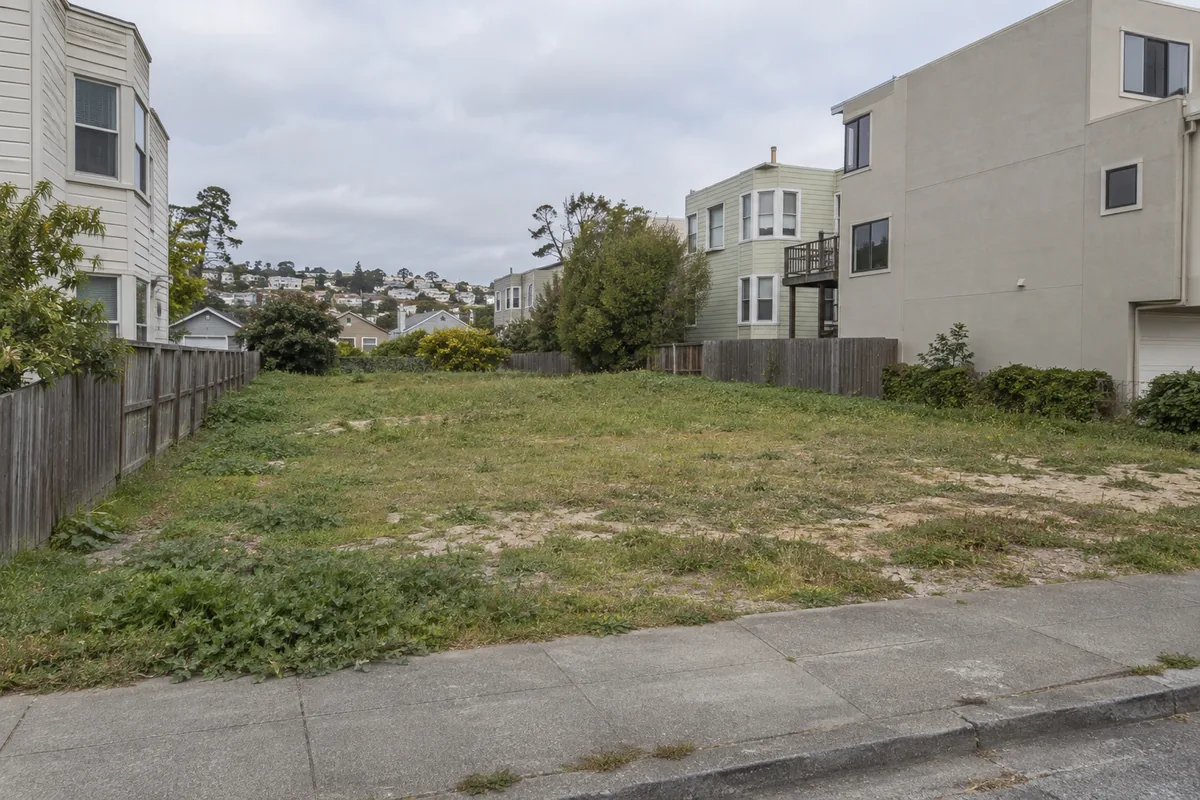
Start with your latest tax bill, deed or notice of assessed value. Write down the block and lot numbers. Together, these identify a specific property in San Francisco. You may also see them called an APN, which means Assessor's Parcel Number.
Use the city's property information guide to reach the Assessor-Recorder's community portal. In the “real property” menu, choose “RP Search.” Search by block and lot, or by the property's address. A block-only search returns several lots, so check that you've chosen yours.
The portal shows property details, current assessed value and assessment history. You can also find your block and lot through SF Planning's Property Information Map. Save the record with the date you checked it.
If your land has no street address, use the block and lot. Don't borrow a neighbor's address. If several lots are being sold together, list each one and check which ones your deed covers.
Before posting an ad, make sure the map, deed and tax bill refer to the same land. A fence or a map outline isn't a measured property line. If the boundary matters to the sale, ask a surveyor what needs to be checked.
A deed is the paper that records a transfer of ownership. Find the deed you received, plus any survey, shared-driveway papers or old sale documents. Keep copies in one folder.
The city's recorded-document guide explains how to find deeds and other records. Its online Records Manager covers records from 1990 onward. You can search by owner name, document number, document type or block and lot. It does not search by street address.
Free online previews require a registered account with ID verification. Copies can be purchased as a guest. Records from before January 1, 1990 must be searched at City Hall, Room 190. If you're unsure which record you need, call the Assessor-Recorder at 628-652-8100.
Ask a title company to review ownership and any recorded claims before you promise a closing date. A title company checks the records used in a sale. An old deed alone may not show every later loan, lien or change. A lien is a claim tied to a debt.
If the land came from a loved one, you can take this one step at a time. Gather the estate or trust papers you have. A title company or attorney can explain who may sign and what still needs to be done. You don't need to have every answer before asking for help.
A buyer may want to build a home, add to a nearby property or use the lot in another way. Find out what is known before describing it as ready to build.
Follow SF Planning's Find My Zoning guide. Enter the address or block and lot, then open “Zoning Information.” Zoning means the rules for how land may be used. The map also has sections for planning applications, building permits and historic preservation.
Look for the zoning district, height rules and past applications. Save the actual papers you have, rather than just a map screenshot. A past application isn't the same as a current approval for the buyer's plan.
Call the Planning Counter at 628-652-7300 or email pic@sfgov.org. Give the block and lot and ask a few clear questions:
You don't have to obtain a new building approval just to discuss a sale. Share what is known and label what still needs checking. Let the buyer know whether their offer depends on getting a certain approval.
Walk the lot if you can do so safely. Take clear photos from the street and from inside the property. Show slopes, fences, paths and any old structures. Avoid entering a neighbor's land without permission.
For a city lot, the width, depth and shape can be more useful than acres alone. Record those details from papers you have, and say when a measurement is only an estimate.
A line in the street doesn't prove a new connection is available. A gate doesn't prove a legal right to enter. Keep those questions separate from what you can see in a photo.
Before paying for clearing, grading or a new study, ask what the likely buyer needs. Get a quote and check with the right city office before starting work. You may be able to sell with the lot as it is.
Start with nearby vacant lots that have actually sold. Compare location, size, shape, access and likely use. Keep asking prices separate from completed sale prices.
A finished home's sale price is not a vacant-lot price. A lot with approved plans may also be a poor match for one whose building options are still unknown.
Ask a local agent who has sold vacant lots, or an appraiser, for useful matches. An appraiser gives an opinion of value. Ask for each sale's date, price, block and lot, and what was included. Check that one sale isn't counted twice under different listings.
The assessed value in a tax record helps you understand the tax record. It isn't a promise of what a buyer will pay today. If there are few good matches, use a price range and explain what is still uncertain.
List the parts of your lot that a buyer can use and the questions they still need to answer. That makes a price discussion more useful than choosing a county-wide price per acre.
You have more than one route. Choose based on your price goals, time and the work you want to handle.
A nearby owner may be interested in extra yard space or a larger site. You can consider that buyer alongside other options. Don't assume adjoining lots can be combined or built on without checking.
If you'd like a direct offer to compare, you can tell Reelvest about the land. We'll review it and let you know if we can make an offer. You're free to choose another route.
Ask the closing company for a written estimate of the money you keep. Include loan payoffs, unpaid taxes, agent fees, closing fees and any work you agree to pay for.
The Treasurer and Tax Collector's property tax page links to current statements and payment history. Save what you find, then ask the closing company to check balances for the planned closing date.
San Francisco also has a transfer tax when property changes hands, unless an exemption applies. The city requires a Transfer Tax Affidavit and a Preliminary Change of Ownership Report for property transfers. Ask the closing company to prepare the right forms and check the current tax for your sale.
Don't assume a standard tax amount from another California county fits this sale. Ask which side pays each cost, and make sure that matches the agreement.
Use our land offer worksheet to compare price, costs, buyer checks and deadlines. A larger offer can leave you with less money if you pay more of the costs.
Read the sale agreement before signing. Check the right block and lot, price, deposit, buyer's review period and closing date. Ask when the buyer may cancel and what happens to the deposit.
Escrow is the closing process in which a company holds the money and papers while the sale's conditions are met. Ask who will handle it, which records they need and who must sign.
The city's recording guide explains that recording rules are different from legal requirements. Have the title company or an attorney help with the deed and other sale papers. A document being accepted for recording does not answer every ownership question.
Before closing, review the final costs and how you'll receive your payment. Confirm payment instructions directly with the closing company using a phone number you've checked. Keep the signed agreement and final closing papers.
For a wider checklist, read our land seller document guide and California land seller guide.
Find the block and lot numbers, gather your deed and check the lot’s zoning and permit history. Then compare useful sold lots and choose an agent, a private sale or a direct offer.
Use its block and lot numbers. Find them on your tax bill or notice of assessed value, or through SF Planning’s Property Information Map. Check that every record refers to the same lot.
Not always. Gather the plans and permits you already have, and explain what is unknown. Ask Planning about the likely use. The buyer may make the sale depend on further review or approval.
Start with the city’s recorded-document guide. Its online tool covers records from 1990 onward and searches by name, document number, type or block and lot. Earlier records must be searched at City Hall.
Start with the deed and any estate or trust papers you have. A title company or attorney can explain which records and signatures are needed. It’s okay to ask for help before everything is sorted out.
The timing depends on ownership records, the buyer’s checks and the agreement. Ask for a list of open items and a target date. Missing signatures or a buyer’s building review can affect the schedule.
Local source links reviewed October 6, 2026.