
To sell your Mono County land, start with the parcel number, the papers you have and a clear account of how you reach it. Then compare prices, buyers and sale terms. You can ask about an offer before you have every answer.
Tell us about your land. There’s no obligation to accept an offer.
Start with what you know. These steps will help you get ready and choose the way to sell that fits you.
Start with a recent tax bill. Copy the Assessor’s Parcel Number, or APN. This is the number the county uses to track the land. Add the acres if known, owner names and a map pin. A street address is not required to begin.
The county’s Value Notices page links to its Parcel Viewer. The county says you can look up your assessment number using an APN or physical address, then view or print the value notice. If the search does not find your land, ask the Assessor for help.
Gather your deed, survey, tax bills and any road agreement. A deed records a transfer of land. A survey shows measured boundaries. Use our seller document checklist to keep track of missing papers.
If you’re handling inherited land or helping settle a loved one’s estate, ask the closing team which papers and signatures are needed. You do not need to sort out every detail before asking for help.
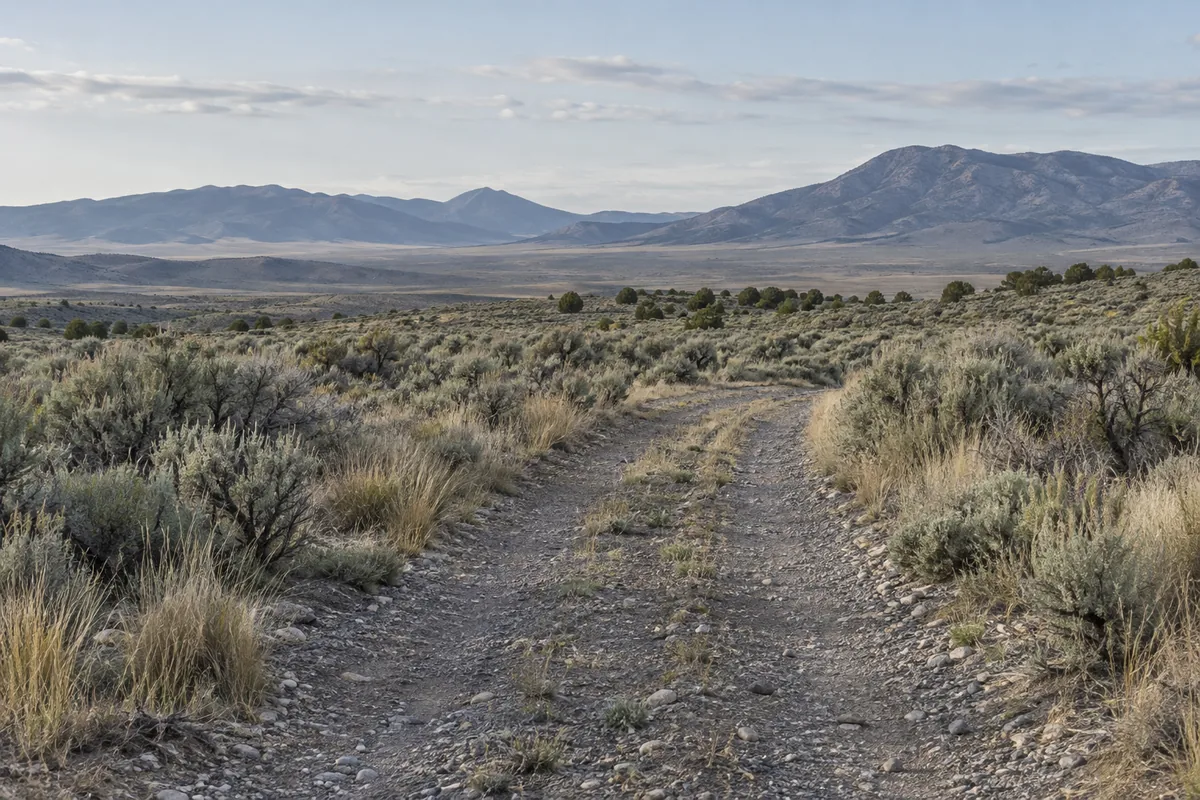
Write directions from a main road to your entrance. Name each road along the way. Note gates, rough sections and any part you reach by crossing someone else’s land. Share photos and any written access papers.
Mono County’s road questions page explains that a public road is not always part of the county road system. The county generally does not maintain public roads it has not accepted into that system, except under contract.
Check the maintained-road list or map linked by the county. Ask Public Works about the exact road and section serving your land. A road name or a line on a map is not enough to promise county maintenance.
For a private road, share any agreement about upkeep and costs. An easement is a right to use someone else’s land for a stated purpose, such as access. Ask your closing team to review the recorded papers. Keep the right to use a road separate from who repairs or plows it.
Tell buyers when you last reached the land and what the road was like. If you have visited only in summer, say so. Plan a safe showing based on current conditions, not an old map route.
The county snow removal page has maps for areas such as Bridgeport, June Lake and Chalfant. It also explains road priorities. Some remote roads, called Class 4 roads, may be cleared only after higher-priority roads and after a storm. Class 5 roads receive no winter snow removal resources.
Before a visit, check the county road closure page. It warns that the county does not clear snow from dirt roads. For roads inside the Town of Mammoth Lakes, the county directs people to the town. Check each part of the route, including the final stretch to the parcel.
You can still discuss a sale if a visit must wait. Share existing photos and records, explain the limit and ask how the buyer plans to check the land. Do not promise year-round access without support.
List working water, power and septic service, if any. Separate what is on the land from what is nearby. A power line down the road is different from a working connection. Share permits or service records you already have.
Tell buyers about leases, shared owners, unpaid taxes or a loan. List fences, sheds or other items included in the sale. If a buyer asks whether a new home or a land split is allowed, help them find the right county or town office rather than guessing.
For several parcels, make one row per APN with the owner, size and known costs. Our land portfolio guide helps you compare selling the group with separate sales.
Ask a local land agent or appraiser for completed sales a buyer would compare with yours. Look at road access, services, usable land, size and location. Check which parcels each sale included. A group sale should not be counted as several separate deals.
A tax value or an asking price is not a completed sale price. We do not have a verified current Mono County price per acre to quote here. Our land value guide explains how to organize useful comparisons.
If you’d like a Reelvest offer to compare, tell us about your land. Start with the details you know.
Get the price and costs in writing. For example, a $50,000 offer minus $4,000 in seller costs leaves $46,000 before any loan or tax balance. These made-up numbers show the math; they are not local land prices.
Use our offer comparison worksheet to compare terms. Ask who pays each cost, when the deposit is due, what checks remain and when the buyer can cancel. Leave unknown amounts blank until checked.
Closing is the final paperwork and payment step. Ask the closing team to confirm owner names, parcel numbers, amounts owed and required signatures. If access checks or a winter visit may delay the sale, discuss that before agreeing to a date.
Read the agreement before signing. Our land sale agreement guide explains common terms. Confirm who handles closing and how payment will reach you. Keep the signed papers and final statement.
Yes. Start with the APN from a tax bill, a map pin and the nearest road. The county’s Value Notices page links to its parcel lookup.
No. Confirm both whether the road is county maintained and its snow removal priority. Check private road agreements too.
Say when you last visited and what you know. Share photos and records, then discuss how and when the buyer can check the property safely.
Not by itself. Compare recent completed sales of similar land and account for access, services, size and location.
You can ask buyers to consider a group. List each APN and owner, then compare the total money you keep and timing with separate sales.
Local source links reviewed October 19, 2026.